
October 11, 2026 · 9 min read
Amsterdam Anne Frank Walking Tour
From the Hollandsche Schouwburg through the old Jewish Quarter, past the Dockworker and the Dam, to the Anne Frank House on the Prinsengracht.
589

October 9, 2026 · 12 min read

 Bạn bè đi bộ miễn phí
Mỗi tour cũng được tổ chức như một chuyến đi bộ nhóm theo lịch trình mà bạn có thể tham gia trong ứng dụng.
Thêm tour âm thanh tại Naples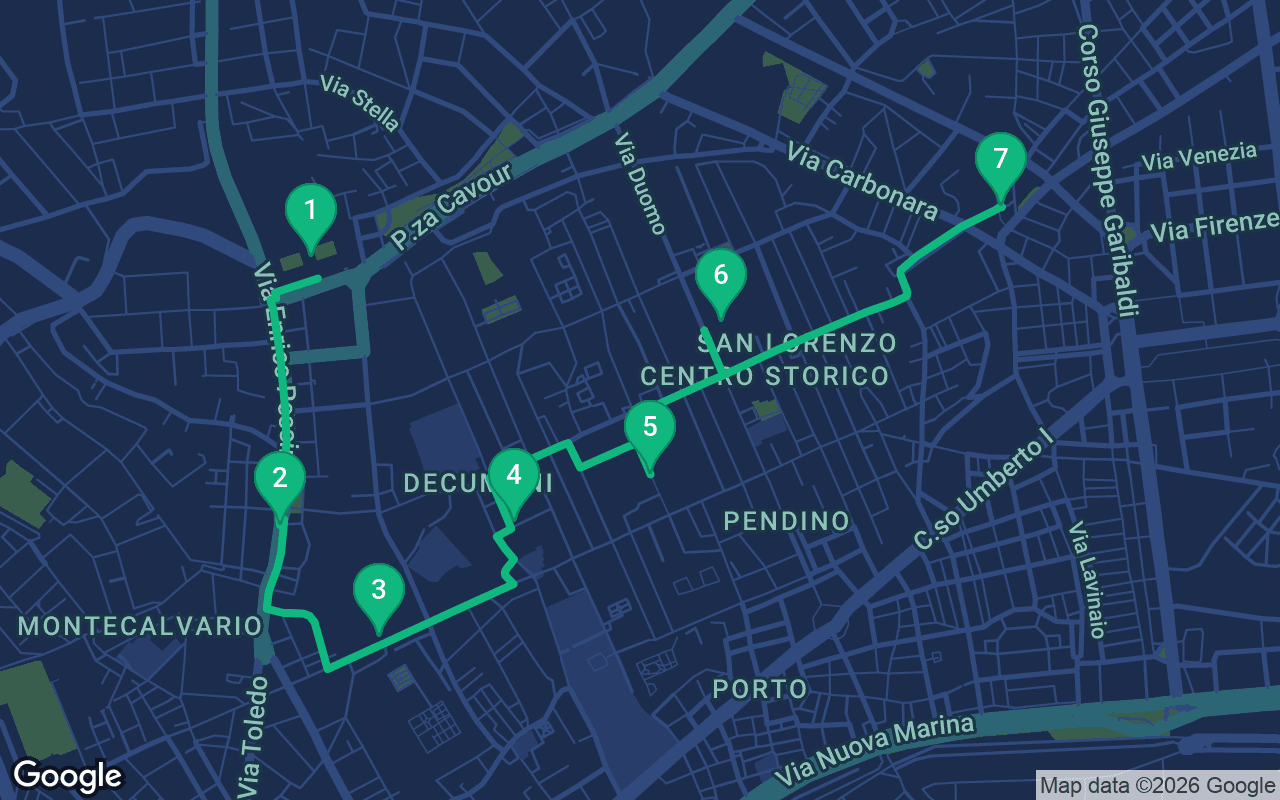
Khoảng 2,9km, mất khoảng 39 phút với nhịp độ thoải mái.
Tour này có thuyết minh âm thanh
Nhấn phát tại 3 điểm dừng đầu tiên để nghe thử 30 giây phần thuyết minh ngay tại đây. Trong ứng dụng, phần giới thiệu và các điểm dừng này được nghe trọn vẹn miễn phí, và mỗi điểm dừng sẽ phát âm báo khi bạn đến nơi. Toàn bộ chuyến tham quan có thuyết minh sẽ là của bạn chỉ với $7.99, mua một lần và sở hữu mãi mãi.
Hoạt động với Garmin, Komoot, Strava, OS Maps và mọi ứng dụng GPX.
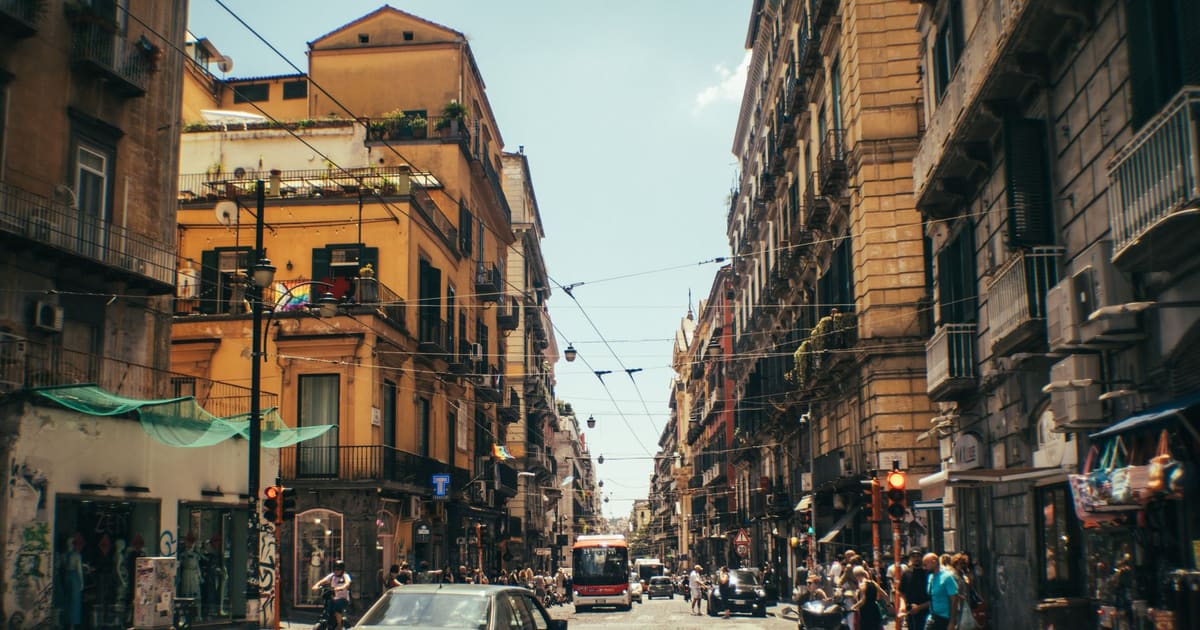
The old center of Naples is not a museum piece. It is a living, shouting, scooter-dodging neighborhood laid out on the street grid of a Greek city founded more than two and a half thousand years ago, and people still hang their laundry, sell their fish and argue about football along the same straight lanes. This walk starts at the Archaeological Museum, home to the treasures of Pompeii, drops down through Piazza Dante to Spaccanapoli, the long straight street that splits the old town in two, and threads past a sculpture so fine it looks impossible, a lane of nativity workshops and the cathedral of San Gennaro, the city's beloved patron saint. It ends at Porta Capuana, an old city gate near the main railway station. The whole route is just under three kilometers, almost all of it flat, and it is one of the most intense and rewarding self-guided walking tours in Italy.
Allow three to four hours, and the best part of a day if you go inside the museum, which deserves at least two hours by itself. The walking is easy and mostly level, with a gentle downhill from the museum to Spaccanapoli, but the paving is old volcanic stone that turns slippery after rain, so wear shoes with some grip. Be ready for the traffic. The lanes of the old center are narrow and shared, and scooters will come up behind you with little warning, often two people on board and sometimes going the wrong way, so keep to the side and resist stepping backward for a photo without a glance over your shoulder. Naples is a warm, friendly city, but like any crowded center it has pickpockets, so wear your bag across your body, keep your phone in a front pocket, and leave anything you do not need at your hotel. Mornings are calmer and cooler, and in summer the lanes trap the heat by afternoon. The museum, the Cappella Sansevero, the Santa Chiara cloister and the cathedral treasury all keep their own hours and charge their own tickets, and the Cappella Sansevero often sells out, so book it ahead and check everything before you go.
Stand in front of the long, rust-red building at the top of the old town. This is the National Archaeological Museum, one of the great collections of the ancient world. The building began life in the late sixteenth century as a cavalry barracks and then housed the university for over a century, before the Bourbon kings turned it into a home for the royal collections. Two of those collections made it famous. The first was the Farnese collection of classical sculpture, which King Charles of Bourbon inherited from his mother, Elisabetta Farnese, including the colossal Farnese Hercules and the Farnese Bull, the largest sculptural group to survive from antiquity. The second came out of the ground. In the same years, Charles had his engineers start digging at Herculaneum and then Pompeii, the towns buried by Vesuvius in the year 79, and the finest frescoes, bronzes and mosaics were carried here. The best known is the Alexander Mosaic from the House of the Faun in Pompeii, a battle scene of Alexander the Great facing the Persian king Darius, made, by most counts, from well over a million tiny pieces of stone. There is also a once locked room of erotic art, the Secret Cabinet, that was hidden from respectable visitors for generations. When you are ready, walk straight downhill along Via Enrico Pessina, the wide street in front of the museum, for about five minutes, and it opens into a curved square.
 You are now in Piazza Dante, and the great curving building wrapping around its eastern side is the reason to stop. For centuries this was the Largo del Mercatello, an open market space just outside the city walls. In the 1750s the architect Luigi Vanvitelli, who also designed the vast royal palace at Caserta, gave it this grand hemicycle in honor of King Charles of Bourbon. Look up along the roofline and you will find a row of statues standing for the virtues of a good king. The poet in the middle of the square, cloak wrapped around him, arrived much later, after the unification of Italy, when cities across the country were busy raising monuments to the man who had given Italians a common language. Now look to the left of the hemicycle for an old arched gateway, Port'Alba, opened in the 1620s and named after the Spanish viceroy of the day, the Duke of Alba. The lane beyond it has been the city's book street for generations, lined with stalls of secondhand books and old prints, and it is worth a few minutes' browse before you continue. Then come back to the square and head south along Via Toledo, the pedestrian shopping street, and after two short blocks turn left onto Via Domenico Capitelli, which brings you into Piazza del Gesù in about five minutes.
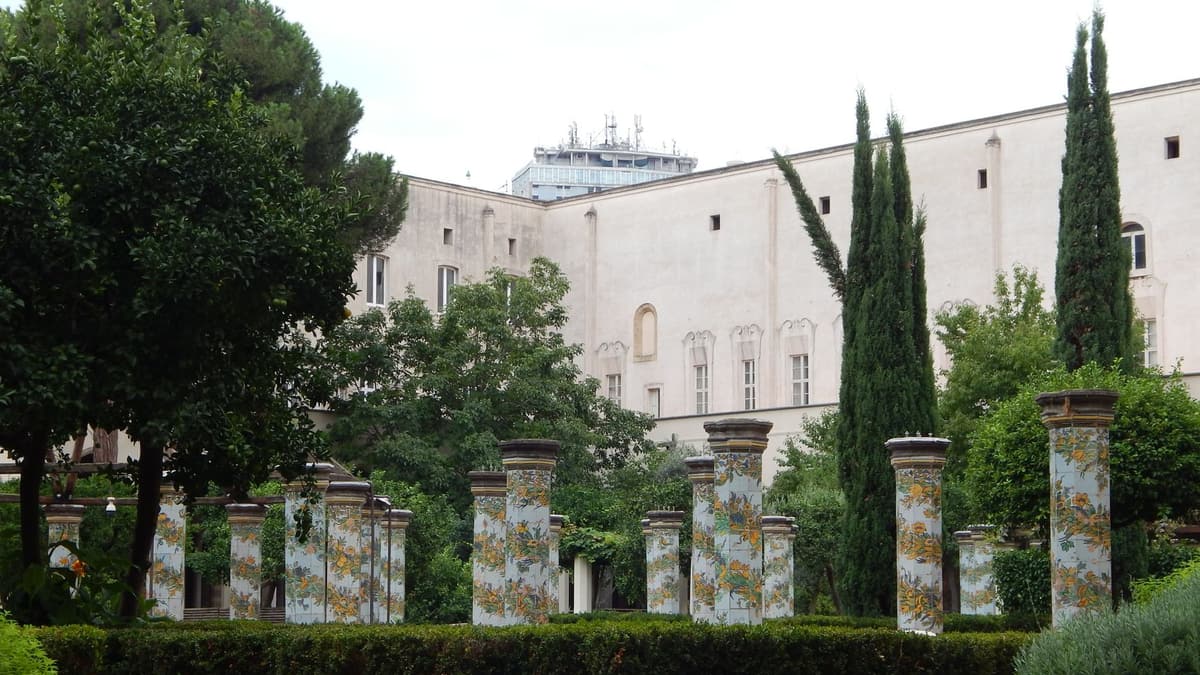
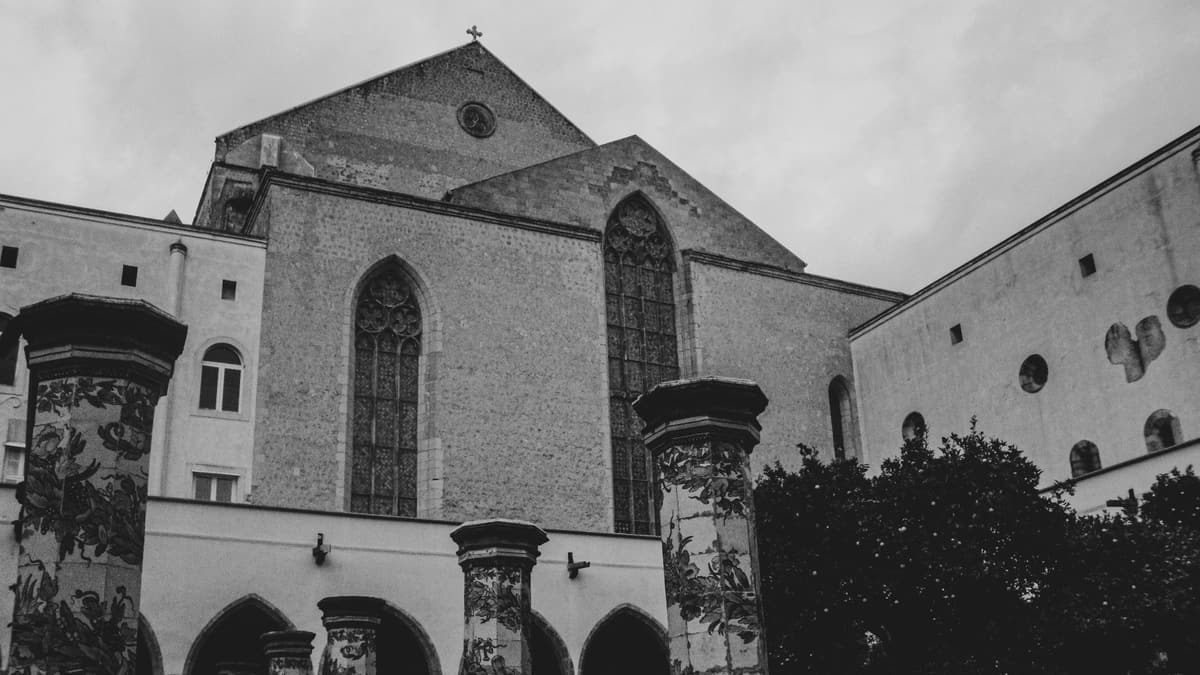
Stand in the middle of the square by the tall, carved spire covered in saints and angels, and turn toward the church with the strange spiky facade. That is the Gesù Nuovo, and its front was never meant to belong to a church. In the 1470s it was built as the palace of the Sanseverino family, princes of Salerno, faced in grey volcanic stone cut into little pyramids, a style known as diamond-point rustication. The Jesuits bought the palace in the 1580s, built a church behind it, and kept the fortress-like front. Look closely at the stones and you may spot small carved marks on some of them, masons' signs that have inspired all sorts of theories, including the claim that they spell out a piece of music. Inside, the church is a riot of colored marble, and it holds the relics of Giuseppe Moscati, a Naples doctor who treated the poor for free and was made a saint in 1987. Now turn to the plainer church across the street. Santa Chiara was built in the early fourteenth century for the Angevin king Robert and his queen Sancha, burned out by Allied bombing in 1943, and rebuilt in its original austere Gothic form. Behind it lies the cloister of the Poor Clares, transformed in the eighteenth century with octagonal columns and benches covered in hand-painted majolica tiles of vines, lemons and country scenes, one of the loveliest quiet spots in the city. From here, walk east along Spaccanapoli, the straight street that runs from the square, for about four minutes. At the first square you reach, Piazza San Domenico Maggiore, turn left up the narrow Via Francesco De Sanctis, and the chapel is a few steps along.
Bao gồm những gì
Các tour của chúng tôi được thiết kế để mang tính thiền định và đắm chìm: bạn vừa đi vừa lắng nghe. Đi cùng nhau luôn tuyệt hơn, và ứng dụng phát thuyết minh đồng bộ để bạn, người thương và bạn bè nghe mỗi điểm dừng cùng một lúc.
This small, unassuming doorway on a narrow lane hides one of the most astonishing sculptures in Europe.
Phần còn lại của điểm dừng này có trong tour âm thanh đầy đủ.
You are now on the most famous lane in Naples, and you will probably hear it before you see it.
Phần còn lại của điểm dừng này có trong tour âm thanh đầy đủ.
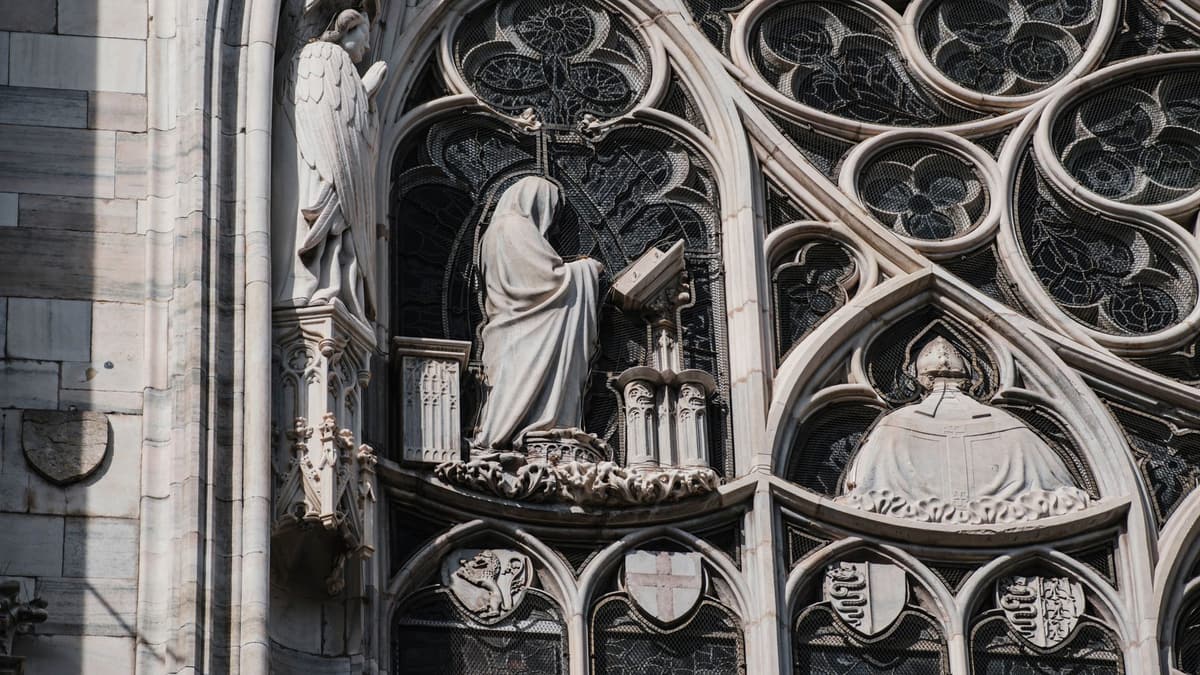
The pale, pinnacled front in front of you is newer than it looks, a Gothic revival facade completed around 1905, but the cathedral behind it goes back to the Angevin kings of the late thirteenth century, and in places much further.
Phần còn lại của điểm dừng này có trong tour âm thanh đầy đủ.
Via dei Tribunali ends at a long white fortress-like building, Castel Capuano, and the street is named after it.
Phần còn lại của điểm dừng này có trong tour âm thanh đầy đủ.
Thực hiện buổi đi bộ này cùng người khác vào tour đã lên lịch tiếp theo.
Khoảng 2,9km, mất khoảng 39 phút với nhịp độ thoải mái · 7 điểm dừng
Bạn bè đi bộ miễn phíOctober 11, 2026 · 9 min read
From the Hollandsche Schouwburg through the old Jewish Quarter, past the Dockworker and the Dam, to the Anne Frank House on the Prinsengracht.
October 11, 2026 · 11 min read
From Van Houten's street by the Vondelpark past Leidseplein, the Rijksmuseum passage and the famous canal bench to the Anne Frank House.

October 11, 2026 · 10 min read
Follow the last days of April and May 1945 from the Anhalter Bahnhof ruin past the Gestapo site and Brandenburg Gate to the Moltke Bridge and the Reichstag.
