
October 11, 2026 · 9 min read
Amsterdam Anne Frank Walking Tour
From the Hollandsche Schouwburg through the old Jewish Quarter, past the Dockworker and the Dam, to the Anne Frank House on the Prinsengracht.
589

October 9, 2026 · 10 min read

 เพื่อนเดินฟรี
ทุกทัวร์ยังเปิดเป็นการเดินกลุ่มตามเวลาที่กำหนด ซึ่งคุณเข้าร่วมได้ในแอป
ทัวร์เสียงเพิ่มเติมในNice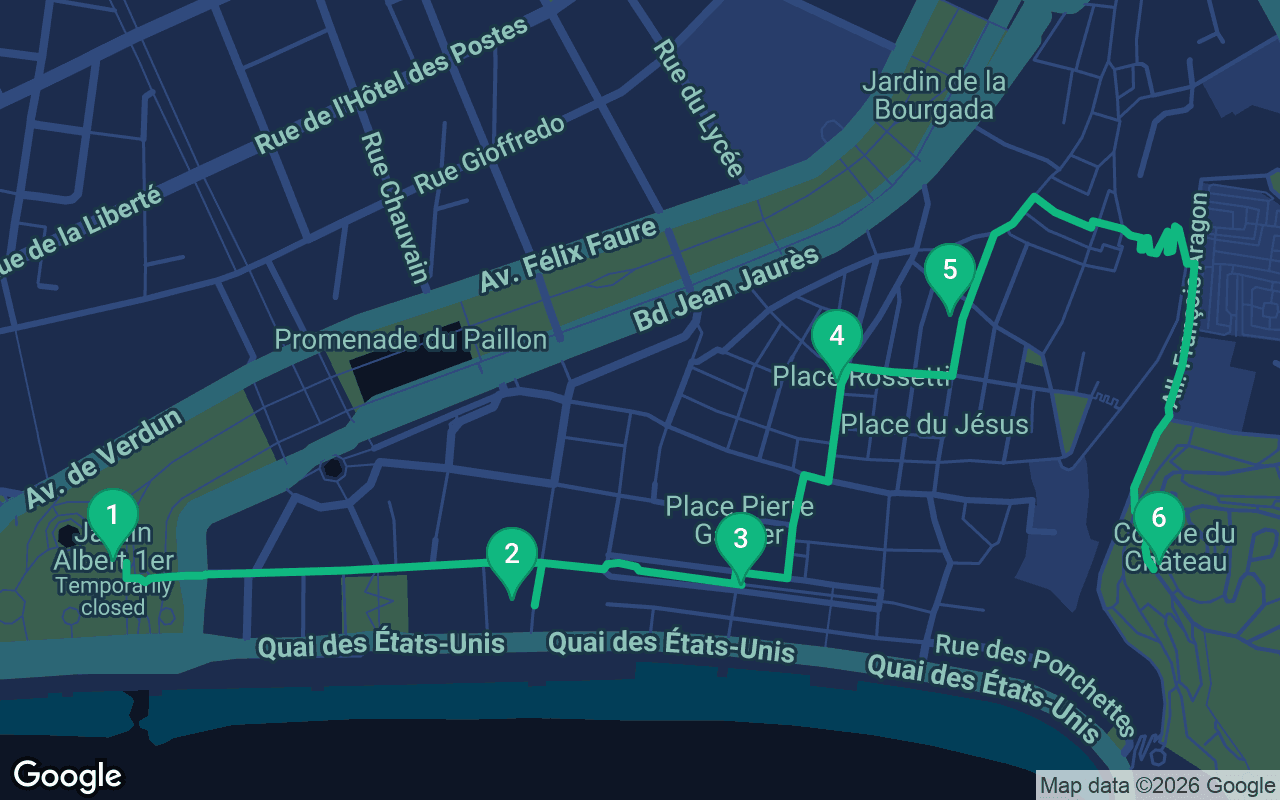
ประมาณ 1.7 กม. ใช้เวลาประมาณ 27 นาทีด้วยจังหวะสบายๆ
ทัวร์นี้มีเสียงบรรยาย
กดเล่นที่ 3 จุดหยุดแรกเพื่อฟังตัวอย่างคำบรรยายความยาว 30 วินาทีได้ที่นี่ ในแอป คุณฟังบทนำและจุดหยุดเหล่านี้แบบเต็มได้ฟรี และทุกจุดหยุดจะมีเสียงแจ้งเตือนเมื่อคุณไปถึง คุณสามารถเป็นเจ้าของทัวร์บรรยายทั้งหมดนี้ได้ในราคาเพียง $6.99 ซึ่งเป็นการซื้อครั้งเดียวและเก็บไว้ใช้ได้ตลอดไป
ใช้งานได้กับ Garmin, Komoot, Strava, OS Maps และแอป GPX ใดก็ตาม
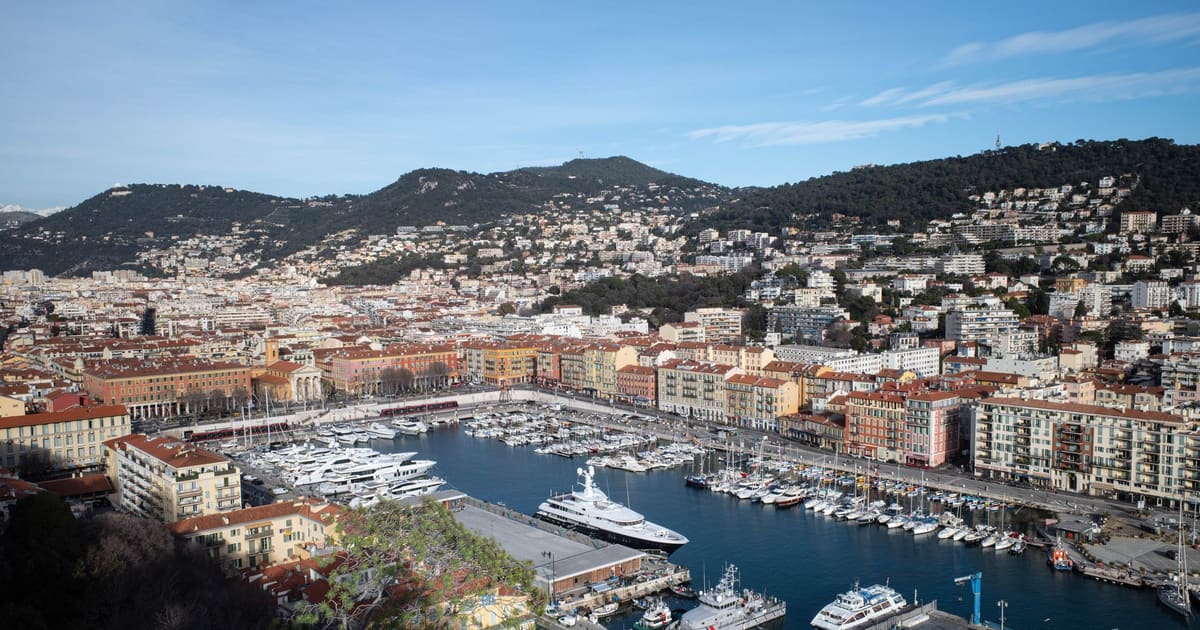
Nice spent most of its history as a port that looked to Turin rather than Paris, and you can still feel it the moment you leave the seafront and step into the old town. This walk starts on the Promenade des Anglais, the great curve of seafront that made Nice famous, and slips into Vieux Nice past the opera house and the flower market of the Cours Saleya. From there it threads through the lanes to the baroque cathedral and a painted noble palace, and climbs Castle Hill for the best view on the whole Riviera, over the Baie des Anges on one side and the old port on the other. It is about two kilometers, short enough for a morning but with a proper climb at the end, and one of the most rewarding self-guided walking tours on the coast. Bring an appetite, because the old town is where the city's own food lives.
Allow around two hours at a relaxed pace, longer if you linger at the market or go inside the cathedral and the Palais Lascaris. The first half is flat, along the seafront and through the pedestrian lanes of the old town, where the paving is smooth stone and the streets are narrow and shady. The last part climbs Castle Hill, which rises steeply right behind the old town. You can walk up by stairways and ramps, or take the lift that runs up from the seafront end of the hill for most of the way; check before you go that it is running. Mornings are best. The market on the Cours Saleya is at its liveliest before lunch, the lanes are cooler, and the light on the bay from the hilltop is clear. In summer the seafront has almost no shade, so bring a hat and water, and refill wherever you find a drinking fountain. The Palais Lascaris and the cathedral keep their own hours, so check before you go if you want to see inside.
Stand by the railing above the pebble beach and look along the great sweep of the bay, the Baie des Anges, curving away to the west toward the airport and the hills beyond. Behind you runs the Promenade des Anglais, and its name means exactly what it says: the Walk of the English. In the eighteenth century, wealthy British visitors discovered that Nice was warm and sunny in winter, and by the early nineteenth century there was a whole English colony spending the cold months here. After a hard winter in the early 1820s left many local people without work, an English clergyman, the Reverend Lewis Way, raised money from his fellow residents to pay them to build a footpath along the shore. It was a modest seaside path at first. Over the following decades it was widened and extended into the grand boulevard you see now, lined with palm trees, hotels and the famous blue chairs set out for anyone who wants to sit and watch the sea. Far along the curve to the west you may make out the pink dome of the Hotel Negresco, the most famous of the seafront palaces. On 14 July 2016, a truck attack on the crowds gathered here for Bastille Day fireworks killed 86 people, and Nice remembers them every year. To reach the next stop, walk east along the seafront, where the promenade becomes the Quai des États-Unis, for about five minutes. The back of the opera house rises on your left, and its main entrance is on the street behind it.
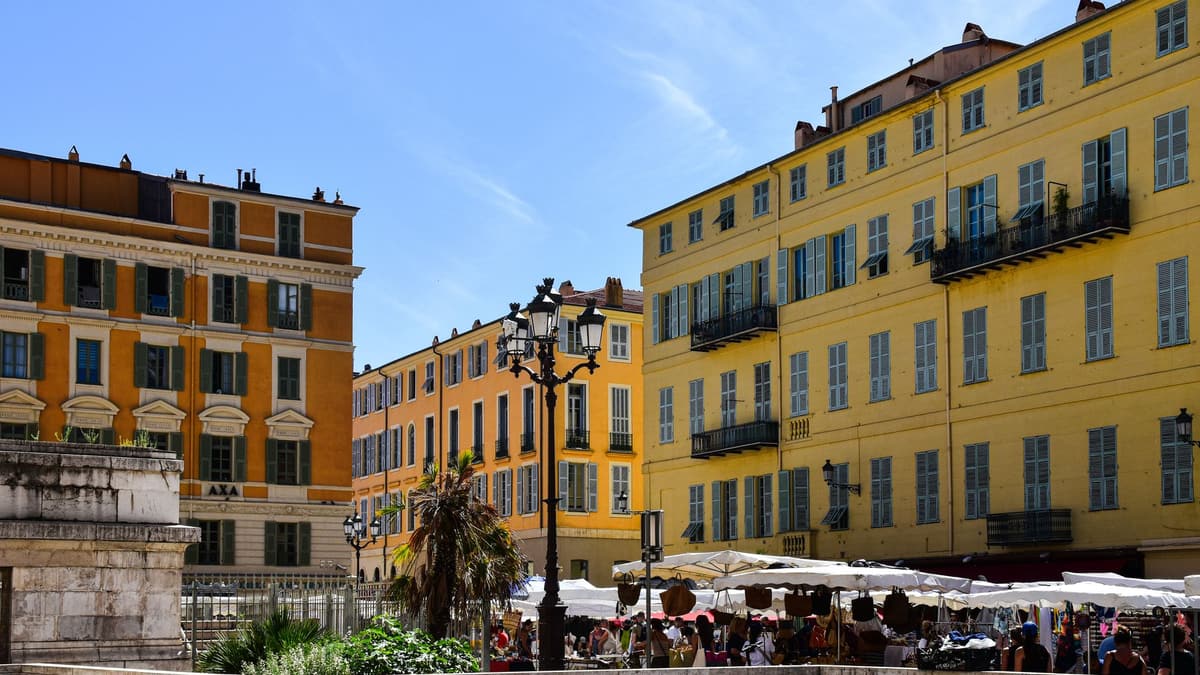 In front of you is the Opéra de Nice, its back to the sea and its grand front turned toward the old town. This is the city's main stage for opera and ballet, and it has a dramatic history. A theatre has stood on this spot since the eighteenth century, when Nice was still ruled from Turin. In March 1881, during a performance, a gas fire broke out and swept through the building, and many people in the audience were killed. The city rebuilt it in the grand style of the day, a few years later, and the new house opened in the Belle Époque, when Nice was full of wealthy winter visitors who wanted a proper opera to go to. Walk around to the main entrance on the street side and look up at the carved facade, the statues and the ornate balconies. Inside, the auditorium follows the classic horseshoe shape of the Italian opera houses, a reminder of where Nice's musical tastes came from. If there is a performance during your stay, a seat here is one of the most elegant evenings the Riviera offers; check before you go for the program and for any tours. From the main entrance, walk east along Rue Saint-François-de-Paule. In about three minutes the street opens onto the long market square of the Cours Saleya.
You are standing in the long, narrow square that is the living room of old Nice. On most mornings it fills with the striped awnings of the market: cut flowers, bunches of herbs, tomatoes, lemons, olives, local cheeses and whatever is in season from the hills behind the city. On Mondays the food usually gives way to antique and bric-a-brac stalls. Look along the southern side, toward the sea, at the long row of low buildings with flat roofs. These were once fishermen's storehouses, and their roofs form a terrace between the market and the shore. Near the western end of the square stands the Palais de la Préfecture, the palace from which Nice was governed for the House of Savoy. The city placed itself under the protection of the Counts of Savoy in 1388 and stayed with them for almost five centuries, later as part of their Kingdom of Sardinia, with its capital in Turin. That is why the old town looks Italian and why people here spoke Niçard, a language close to the Provençal and Ligurian of their neighbors. Only in 1860, under a treaty between France and Sardinia confirmed by a vote of the people of Nice, did the city become French. This is also the place to try socca, the thin, crispy chickpea pancake that is Nice's favorite street food, sold hot by the slice. At the eastern end, the tall ochre building on the little square was Matisse's home and studio for many years; the rest of his story belongs to the Cimiez hill. To reach the next stop, head north out of the Cours into the narrow lanes of the old town and follow them for about four minutes to the open square of Place Rossetti.
สิ่งที่รวมอยู่
ทัวร์ของเราออกแบบมาให้เป็นประสบการณ์ที่ผ่อนคลายและดื่มด่ำ คุณเดินไปพร้อมกับฟังไปเรื่อย ๆ และจะดียิ่งขึ้นเมื่อไปด้วยกัน แอปจะเล่นคำบรรยายแบบซิงค์กัน ให้คุณ คนรัก และเพื่อน ๆ ได้ฟังทุกจุดในเวลาเดียวกัน
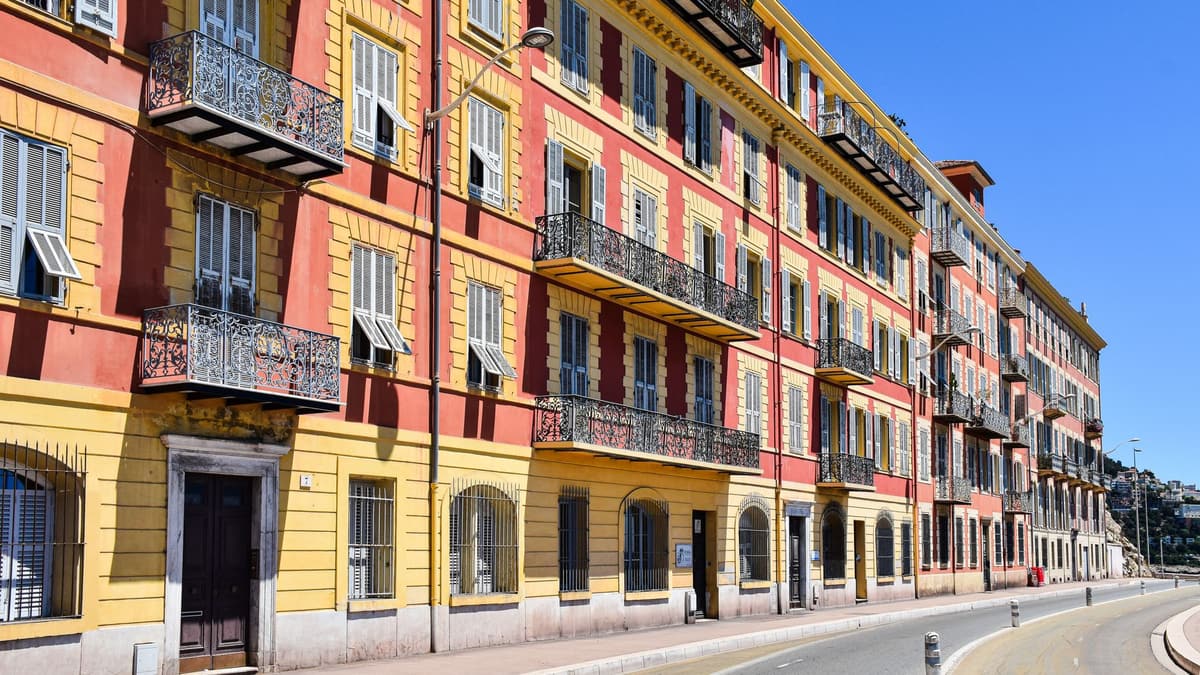
You are on Place Rossetti, the liveliest little square in the old town, and the building filling one side of it is the Cathédrale Sainte-Réparate, the cathedral of Nice.
เนื้อหาที่เหลือของจุดนี้อยู่ในทัวร์เสียงฉบับเต็ม
Rue Droite is narrow and shadowy, and it is easy to walk right past the doorway of the Palais Lascaris, so look for the grand stone entrance among the ordinary houses.
เนื้อหาที่เหลือของจุดนี้อยู่ในทัวร์เสียงฉบับเต็ม
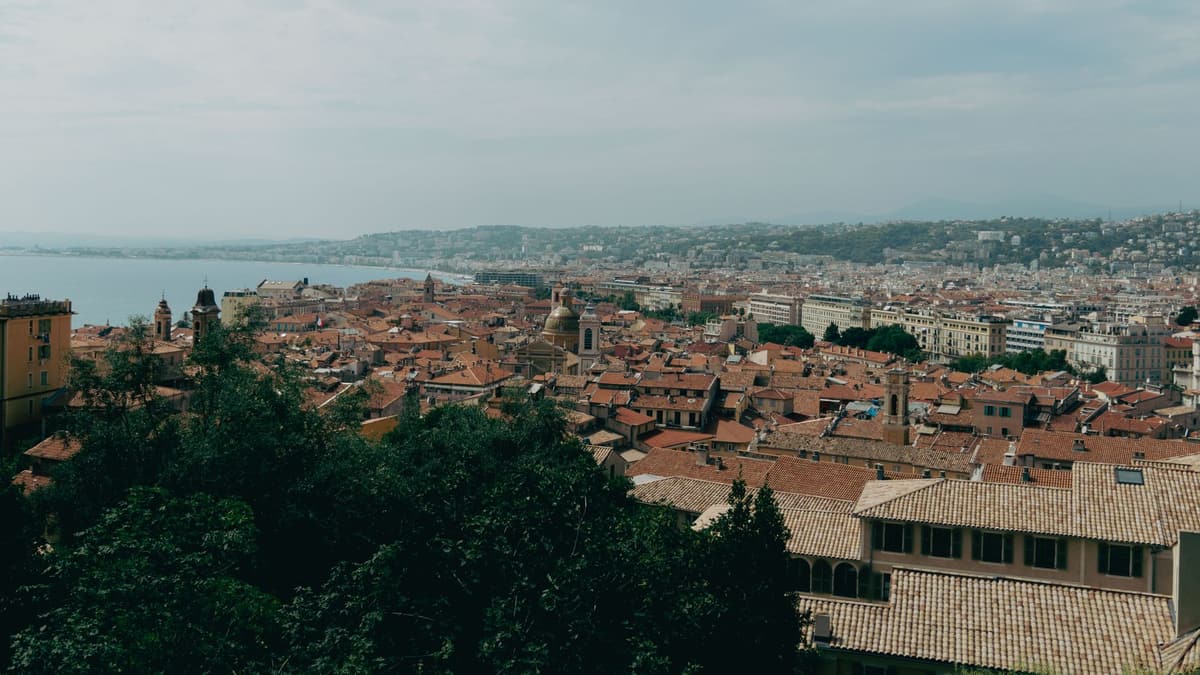
Catch your breath and walk to the edge of the main viewpoint. To the west, the whole Baie des Anges curves away in a great blue arc, with the red roofs of the old town and the Promenade below you.
เนื้อหาที่เหลือของจุดนี้อยู่ในทัวร์เสียงฉบับเต็ม
เดินไปกับคนอื่นในทัวร์ที่กำหนดเวลาไว้ครั้งต่อไป
ประมาณ 1.7 กม. ใช้เวลาประมาณ 27 นาทีด้วยจังหวะสบายๆ · 6 จุดแวะ
เพื่อนเดินฟรีOctober 11, 2026 · 9 min read
From the Hollandsche Schouwburg through the old Jewish Quarter, past the Dockworker and the Dam, to the Anne Frank House on the Prinsengracht.
October 11, 2026 · 11 min read
From Van Houten's street by the Vondelpark past Leidseplein, the Rijksmuseum passage and the famous canal bench to the Anne Frank House.

October 11, 2026 · 10 min read
Follow the last days of April and May 1945 from the Anhalter Bahnhof ruin past the Gestapo site and Brandenburg Gate to the Moltke Bridge and the Reichstag.
