
2026년 10월 13일 · 8분
걷기 모임을 찾는 장소
내 근처의 걷기 모임을 찾고 계신가요? 밋업, 페이스북 그룹, 걷기 앱을 비교하여 어떤 플랫폼이 가장 빠르게 당신을 밖으로 나가게 하는지 확인해 보세요.
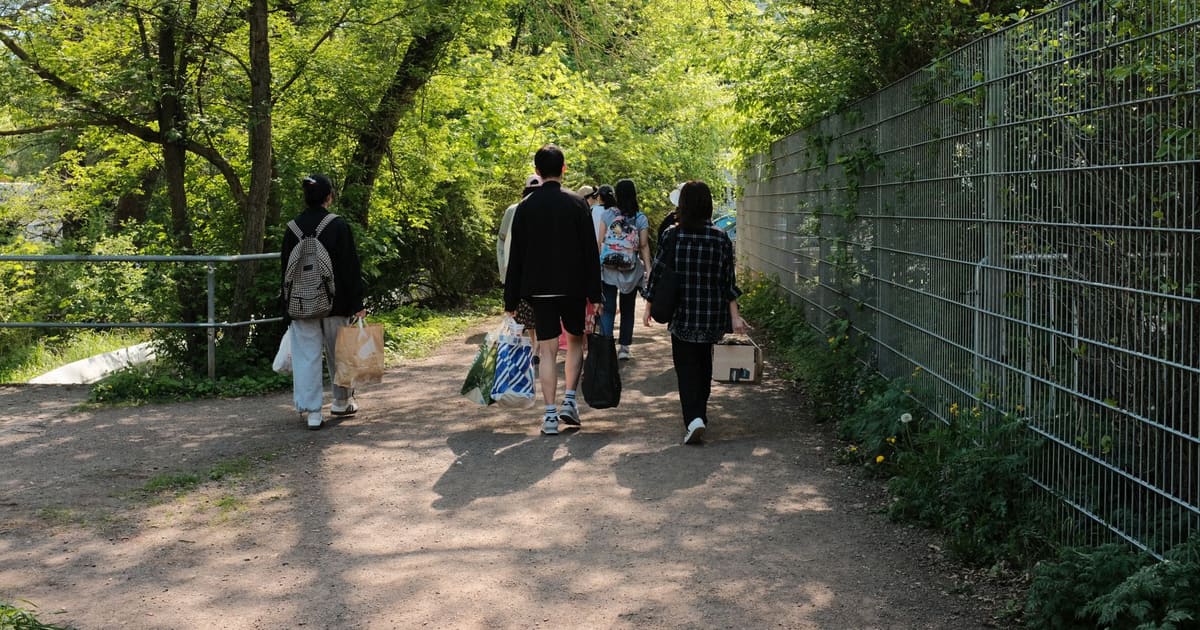
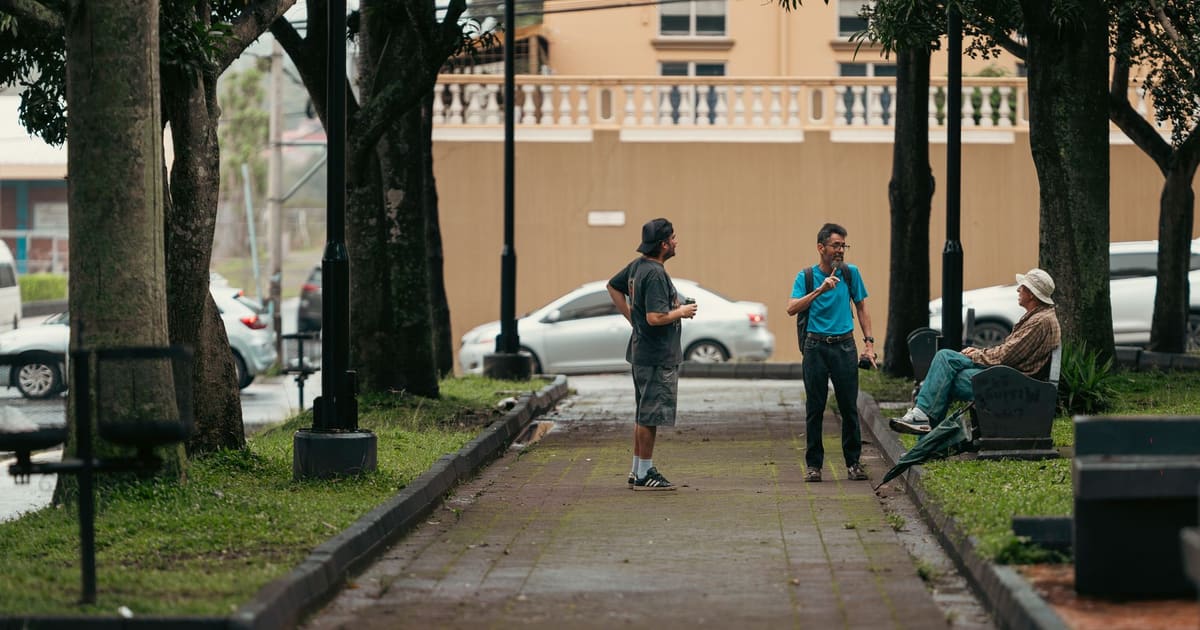
낯선 사람과 산책하는 처음 5분은 항상 가장 어렵습니다.
지정된 모서리에 서서 한 발에서 다른 발로 체중을 옮기며, 손을 흔들어야 할지 아니면 눈을 마주칠 때까지 기다릴지 궁금해합니다. 산책에서 사람들을 만나기 시작할 때, 서있는 것에서 함께 이동하는 것으로의 그 초기 전환은 시험처럼 느껴질 수 있습니다. 그렇기 때문에 팔의 뒤에 몇 가지 신뢰할 수 있는 산책 모임 아이스브레이커를 가지고 있는 것이 도움이 될 뿐만 아니라 편안한 분위기를 유지하기 위해 필수적입니다.
커피숍이나 레스토랑에서 새로운 사람을 만날 때, 우리는 앉습니다. 우리 사이에 테이블이 있습니다. 들고 있을 컵이 있습니다. 우리는 봐야 할 메뉴가 있습니다. 우리는 직접 눈 접촉에 고정되어 있습니다. 이것은 강렬하게 느껴질 수 있지만 적어도 그것은 친숙한 대본입니다.
산책은 완전히 다릅니다. 당신은 어깨를 나란히 서 있습니다. 당신은 공간을 통해 당신의 몸을 이동하고 있습니다. 당신은 연석을 탐색하고, 물웅덩이를 피하고, 다른 보행자를 피합니다.
당신의 뇌는 동시에 두 가지를 처리하려고 합니다. 낯선 사람과의 연결을 구축하고 금이 간 보도에 넘어지지 않습니다. 이 이중 초점은 시작이 어색하게 느끼는 이유입니다. 당신의 신경계는 약간 정사입니다. 당신은 그들의 신체적 속도에 적응하는 동시에 대화 리듬을 찾으려고 노력하고 있습니다. 이 초기 마찰이 순전히 신체적이며 나쁜 화학의 신호가 아니라는 것을 이해하는 것이 당신이 모든 산책의 시작에 접근하는 방식을 변경합니다.
신체 역학을 생각해보세요. 처음 만날 때, 당신은 얼마나 가까이 산책할지 결정해야 합니다. 2미터 갭을 남깁니까? 3미터 갭? 그들의 왼쪽이나 오른쪽에 산책합니까? 이러한 작은 신체적 협상은 당신의 마음 배경에서 발생하며 인지 에너지를 소비합니다. 이동하기 시작하고 라인에 정착하면, 이 배경 소음이 진정되지만 처음 300초 동안 전체 볼륨에서 실행되고 있습니다.
산책에서 좋은 아이스브레이커는 직업 인터뷰 질문처럼 들리지 않습니다. 가파른 언덕을 오르면서 누군가에게 경력 목표에 대해 묻는다면, 당신은 빨리 숨이 차고 모멘텀을 죽일 것입니다.
최고의 질문은 낮은 스테이크, 대답하기 쉬운, 외향적인 것입니다. 당신은 옆으로 걷고 있기 때문에, 당신은 서로를 바라볼 필요가 없습니다. 이것은 앉아 있는 회의가 제공하지 않는 거대한 사회적 이점입니다. 당신은 앞의 경로를 볼 수 있으며, 이상하게 모양의 나무나 아름다운 집을 지적하고 있으며, 얼굴의 즉각적인 압력을 줄입니다.
당신은 무거운 생각이 필요 없는 질문으로 시작하고 싶습니다. 당신의 파트너는 이미 발과 호흡에 집중하고 있습니다. 초기 교환을 가볍고, 관찰적이고, 현재 순간에 뿌리가 있게 유지하십시오.
바로 "당신의 직업은 무엇입니까?"라고 물어 보는 대신, 당신이 있는 신체적 공간과의 관계에 대해 묻는 것을 시도하십시오. 그것은 그들의 정체성과 성과에서 그들의 즉각적인 신체적 존재로 초점을 이동합니다. 나중에 더 깊은 주제로 문을 열기 위한 더 부드러운 방법입니다.
거의 아무도 얘기하지 않지만 매번 효과가있는 트릭이 있습니다. 보폭 속도 보정이라고 불립니다.
우리가 신경질일 때, 우리는 더 빠르게 걷는 경향이 있습니다. 우리의 심장 박동이 올라가고, 우리의 단계가 빨라지고, 우리의 말이 빨라져서 일치합니다. 당신이 둘 다 신경질이라면, 당신은 분당 120 단계의 광란적인 속도로 행진하기 시작할 수 있으며, 편안하게 말할 수 있도록 너무 숨이 차 있습니다.
한 마디도 말하기 전에 발에 초점을 맞추십시오. 의도적으로 편안하고 안정적인 속도를 설정하면 대략 분당 90에서 100 단계입니다. 파트너가 자신의 속도를 설정하도록 허용하고 부드럽게 일치시킵니다.
보폭이 동기화되면 호흡 패턴이 자연스럽게 정착합니다. 이 신체적 동기화는 당신이 안전하다는 신호를 당신의 뇌로 보내서 코르티솔 수치를 낮춥니다. 당신의 발이 안정적이고 예측 가능한 리듬으로 움직일 때 말하기가 훨씬 쉽습니다.
이렇게 하려면 눈의 모서리에서 발을 관찰하십시오. 노려보지 마세요. 왼발이 그들의 것과 같은 시간에 포장도로를 칠하도록 리듬을 조정합니다. 간단하게 들리지만, 첫 번째 문장을 마치기 전에 정렬과 팀 작업의 즉각적인 무의식 감각을 만듭니다.
때로는 단순히 발을 10 %만큼 늦추면 신경 에너지의 무게 아래서 전체 대화가 붕괴되는 것을 저장할 수 있습니다.
일반적인 지루한 질문을 하는 대신, 산책 처음 5분 동안 이 3가지 특정 스크립트를 시도해보세요.
먼저 루트 자체에 대해 묻습니다. "이 특정 경로를 이전에 걸어 본 적이 있습니까, 아니면 이것이 당신의 새로운 영토입니까?" 이것은 안전하고 지금 하고있는 일과 직접적으로 관련이 있기 때문에 좋은 오프닝입니다. 그들이 그 지역을 알고 있다면, 그들은 가이드 역할을 할 수 있습니다. 그들이하지 않는다면, 당신은 함께 탐험하고 있습니다.
둘째, 즉각적인 신체적 현실에 초점을 맞추십시오. "우리가 속도에 대해 어떻게 느끼고 있습니까? 나는 속도를 높이거나 늦출 수 있습니다. 나한테 말해주세요." 이것은 당신이 생각하고 있음을 보여주며, 산책을 위해 즉시 협력적인 음조를 수립합니다. 또한 그들이 너무 느리거나 빠를 것을 걱정했다면 그들로부터 압력을 제거합니다.
셋째, 그들의 날에 대해 간단한 개방형 질문을합니다. "여기에 도착하기 전에 아침의 하이라이트가 무엇이었습니까?" 이것은 "당신은 어떻습니까?"보다 훨씬 좋습니다. 기본 로봇 응답을 주는 대신 긍정적인 기억을 찾으려면 강제하기 때문입니다. 그것은 처음부터 긍정적이고 낙관적인 톤을 즉시 설정합니다.
새로운 파트너를 만날 때 신체적 불일치에 직면하는 것은 일반적인 우려입니다. 빠른 산책가이지만 캐주얼 산책을 선호한다면 어떻게 되겠습니까? 또는 당신이 끊임없이 그들을 따라 잡기를 기다리고 있다면?
여기서 황금 규칙은 간단합니다. 느린 산책가는 항상 속도를 설정합니다.
당신이 더 빠른 산책가라면, 당신의 스트라이드를 억제하기 위해 의식적인 노력을 기울이십시오. 그들이 당신을 쫓는 것처럼 느끼게 하지 마십시오. 더 느린 산책가라면, 단순히 따라 잡기 위해 숨을 쉬는 것을 강요하지 마십시오. 단순히 말하십시오. "나는 보통 약간 더 편안한 속도로 걷기 때문에 숨을 쉬지 않고 채팅 할 수 있습니다."
이것을 초기에 다루고, 이상적으로 처음 3분 내에, 말하지 않은 불안의 거대한 원천을 제거합니다. 당신이 자신의 피부에서 편하다는 것을 보여주고, 속도보다 연결을 소중히 여깁니다. 속도에 동의하면 심장 박동에 대한 걱정 없이 대화에 편안해할 수 있습니다.
이웃을 산책하면 무료 프롬프트를 지속적으로 던지는 거대한 이점을 제공합니다.
개가 지나가면 그에 대해 댓글을 다세요. 야생 페인트 작업이 있는 집을 보면 지적하십시오. 하늘이 열리고 당신에게 비를 쏟을 수 있다면 날씨에 대해 이야기하십시오.
이것들은 지루한 주제가 아닙니다. 이것들은 공유 된 경험입니다. 주변 환경의 신체적 물체를 지적하면 두 개의 내부 세계 사이에 다리가 생성됩니다. 그것은 당신에 대해 이야기하지 않는 짧은 휴식을 당신 둘 다에게 제공하며 지칠 수 있습니다.
환경을 대화의 세 번째 참가자로 생각하십시오. 물건이 조용해지면 주변을 봅시다. 거리나 공원에서 엔진을 다시 시작하는 데 사용할 수있는 항상 무언가가 일어나고 있습니다. 새로운 커피 숍, 흥미로운 거리 미술, 또는 재미있는 표지판을 발견할 수 있습니다. 이러한 시각적 앵커를 사용하여 새 대화 주제로 자연스럽게 전환합니다.
우리는 대화에서 침묵이 실패라고 생각하도록 조건을 받았습니다. 앉아있는 회의에서 5초 침묵은 영원처럼 느껴집니다. 산책에서 침묵은 완전히 자연 스럽습니다.
당신은 움직이고 있습니다. 당신은 물건을 보고 있습니다. 당신은 숨을 쉬고 있습니다. 대화의 일시 중지는 단순히 풍경을 흡수하거나 스트라이드를 조정하는 순간입니다.
모든 초를 단어로 채우려고 서두르지 마십시오. 주제가 풀릴 때, 잠깐 앉아있게하십시오. 당신은 앞을 보고 깊은 숨을 쉴 수 있으며, 산책의 신체적 감각을 즐깁니다.
산책의 조용한 부분을 편안하고 정상적인 것으로 대하면, 당신의 파트너도 그렇게 할 것입니다. 당신이 자신감이 있고 긴장이 풀려 있음을 보여주며, 차례대로 그들을 편하게합니다. 다시 말할 준비가되면, 새로운 환경 프롬프트를 사용하거나 새로운 질문을합니다. 최고의 산책은 침묵을 함께 즐기고, 성능을 할 필요가 없다는 것을 알고있는 것들입니다.
처음 5분을 통과하는 것은 훌륭한 연결을 열기 위해 필요한 모든 것입니다. 이러한 단계를 공유 할 사람을 찾을 준비가되면, iOS 또는 Android에서 Walk With Me를 열고 오늘 당신의 이웃에서 누가 방황하고 있는지 확인하세요.
2026년 10월 13일 · 8분
내 근처의 걷기 모임을 찾고 계신가요? 밋업, 페이스북 그룹, 걷기 앱을 비교하여 어떤 플랫폼이 가장 빠르게 당신을 밖으로 나가게 하는지 확인해 보세요.
2026년 10월 3일 · 7분
새로운 사람들을 만나 산책하는 것이 긴장된다면, 이 실용적인 요령들이 긴장을 진정시키고 훌륭한 첫 외출을 만들어 줄 것입니다.
2026년 9월 20일 · 8분
딱딱하고 어색한 네트워킹 행사 대신, 신선한 공기를 마시며 아주 자연스럽게 비즈니스 인맥을 쌓을 수 있는 프로페셔널을 위한 네트워킹 방법을 알아보세요. 걸으면서 대화하면 관계가 훨씬 더 쉽게 깊어집니다.