
13 Oktober 2026 · 8 menit
Tempat Mencari Grup Jalan Kaki
Mencari grup jalan kaki di dekat saya? Kami membandingkan Meetup, Facebook Groups, dan aplikasi jalan kaki untuk melihat platform mana yang lebih cepat mengajak Anda berjalan.
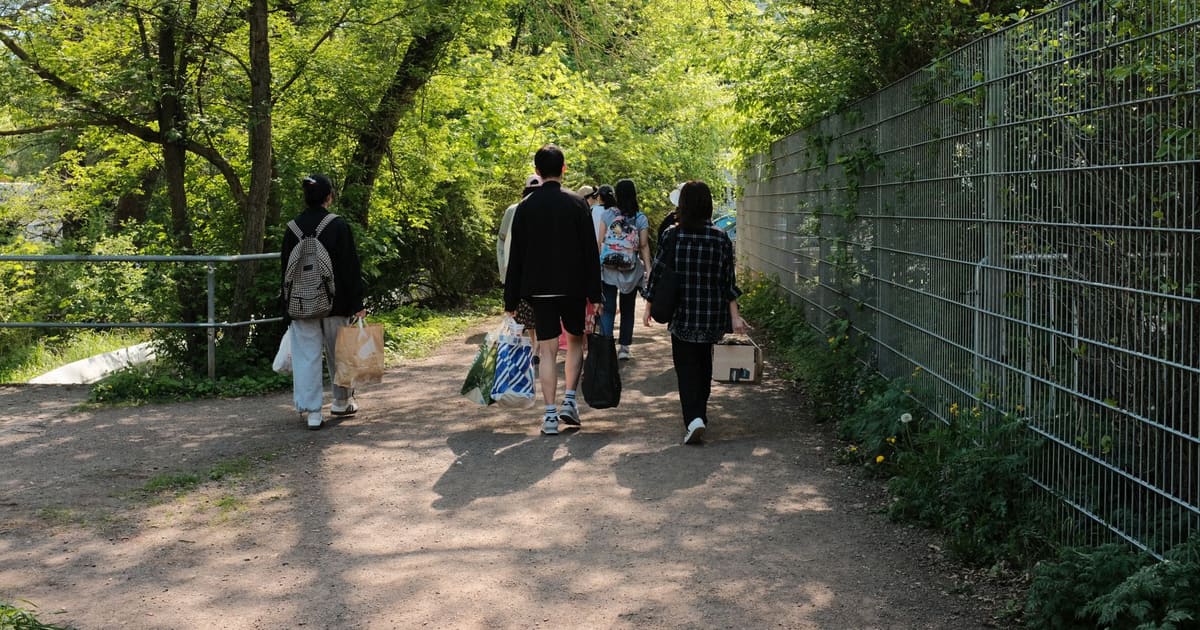
28 Agustus 2026 · 7 menit
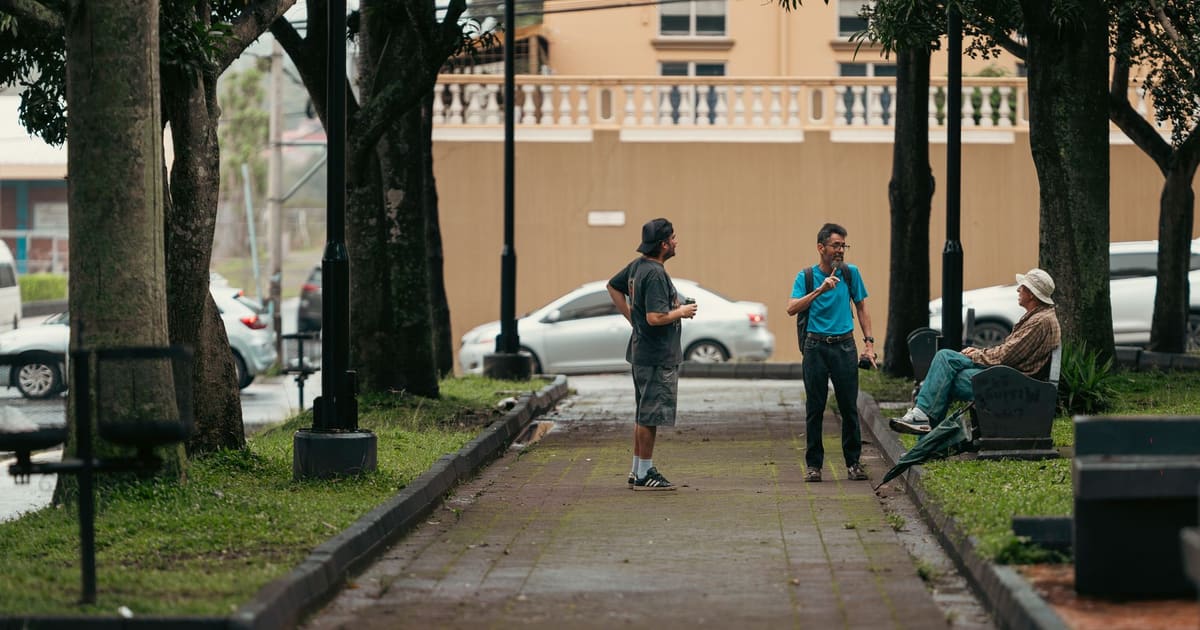
Lima menit pertama berjalan dengan orang asing selalu yang paling sulit.
Anda berdiri di sudut yang ditentukan, menggeser berat badan dari satu kaki ke kaki lainnya, bertanya-tanya apakah Anda harus melambaikan tangan atau menunggu mereka membuat kontak mata. Ketika Anda mulai bertemu orang di atas jalan kaki, transisi awal dari berdiri diam hingga bergerak bersama bisa terasa seperti ujian. Itulah mengapa memiliki beberapa pembuka percakapan pertemuan jalan kaki yang dapat diandalkan di kantong belakang Anda tidak hanya membantu, itu penting untuk menjaga suasana santai.
Ketika kami bertemu seseorang yang baru di kafe atau restoran, kami duduk. Kami memiliki meja di antara kami. Kami memiliki cangkir untuk dipegang. Kami memiliki menu untuk dilihat. Kami terkunci dalam kontak mata langsung, yang dapat terasa intens tetapi setidaknya itu skenario yang akrab.
Berjalan kaki sama sekali berbeda. Anda berdiri bahu ke bahu. Anda menggerakkan tubuh Anda melalui ruang. Anda menavigasi tepi jalan, menghindari genangan air, dan menghindar dari pejalan kaki lainnya.
Otak Anda berusaha memproses dua hal sekaligus: membangun koneksi dengan orang asing dan tidak tersandung di trotoar yang retak. Fokus ganda ini adalah alasan mengapa awal terasa janggal. Sistem saraf Anda sedikit tegang. Anda menyesuaikan dengan kecepatan fisik mereka sambil mencoba menemukan ritme percakapan. Memahami bahwa gesekan awal ini murni fisik, bukan tanda kimiawi yang buruk, mengubah cara Anda mendekati awal setiap jalan kaki.
Pikirkan tentang mekanika fisik. Ketika Anda pertama kali bertemu, Anda harus memutuskan seberapa dekat berjalan. Apakah Anda meninggalkan celah dua meter? Celah tiga meter? Apakah Anda berjalan di sebelah kiri atau kanan mereka? Negosiasi fisik kecil ini terjadi di latar belakang pikiran Anda, mengonsumsi energi kognitif. Setelah Anda mulai bergerak dan menetap dalam satu garis, kebisingan latar ini berkurang, tetapi selama 300 detik pertama itu bekerja pada volume penuh.
Pembuka yang baik di atas jalan kaki tidak terdengar seperti pertanyaan wawancara kerja. Jika Anda bertanya kepada seseorang tentang tujuan karir mereka sambil mendaki bukit yang curam, Anda akan cepat kehabisan napas dan membunuh momentum.
Pertanyaan terbaik adalah yang berbeban rendah, mudah dijawab, dan berorientasi keluar. Karena Anda berjalan beriringan, Anda tidak perlu saling menatap. Itu adalah keuntungan sosial yang sangat besar yang tidak ditawarkan pertemuan duduk. Anda dapat melihat jalan di depan, menunjuk pohon yang bentuknya aneh atau rumah yang indah, yang mengurangi tekanan langsung pada wajah Anda.
Anda ingin memulai dengan pertanyaan yang memerlukan nol pemikiran berat. Mitra Anda sudah berkonsentrasi pada langkah dan pernapasan mereka. Jaga pertukaran awal tetap ringan, observasional, dan berakar dalam momen sekarang.
Alih-alih menanyakan "Apa yang Anda lakukan untuk pekerjaan?" segera, cobalah menanyakan tentang hubungan mereka dengan ruang fisik tempat Anda berada. Itu menggeser fokus dari identitas dan pencapaian mereka ke kehadiran fisik mereka yang segera. Ini adalah cara yang lebih lembut untuk membuka pintu ke topik yang lebih dalam nanti.
Berikut adalah trik yang hampir tidak ada yang bicarakan, tetapi itu bekerja setiap saat. Itu disebut kalibrasi tempo stride.
Ketika kami gugup, kami cenderung berjalan lebih cepat. Detak jantung kami naik, langkah kami cepat, dan ucapan kami cepat untuk mencocokkan. Jika Anda berdua gugup, Anda mungkin mulai berbaris dengan cepat 120 langkah per menit, membuat Anda berdua terlalu terengah-engah untuk berbicara dengan nyaman.
Sebelum Anda mengatakan apa pun, fokus pada kaki Anda. Dengan sengaja atur kecepatan yang santai dan stabil, kira-kira 90 hingga 100 langkah per menit. Biarkan mitra Anda menetapkan kecepatan mereka, dan secara lembut cocokkan.
Setelah langkah Anda disinkronkan, pola pernapasan Anda akan secara alami menetap. Sinkronisasi fisik ini mengirim sinyal ke otak Anda bahwa Anda aman, menurunkan kadar kortisol Anda. Jauh lebih mudah untuk berbicara ketika kaki Anda bergerak dalam ritme yang stabil dan dapat diprediksi.
Untuk melakukan ini, cukup amati kaki mereka dari sudut mata Anda. Jangan menatap. Sesuaikan ritme Anda sehingga kaki kiri Anda menyentuh trotoar pada waktu yang sama dengan mereka. Terdengar sederhana, tetapi itu menciptakan perasaan instan, bawah sadar keselarasan dan kerja sama tim sebelum Anda bahkan menyelesaikan kalimat pertama.
Kadang-kadang, hanya memperlambat langkah Anda sebesar sepuluh persen dapat menyelamatkan seluruh percakapan dari keruntuhan di bawah beban energi gugup.
Alih-alih mengajukan pertanyaan membosankan yang biasa, cobalah tiga skrip spesifik ini selama lima menit pertama jalan kaki Anda.
Pertama, tanyakan tentang rute itu sendiri. "Apakah Anda telah berjalan di jalur tertentu ini sebelumnya, atau ini adalah wilayah baru bagi Anda?" Ini adalah pembukaan yang bagus karena aman dan langsung relevan dengan apa yang Anda lakukan sekarang. Jika mereka tahu area itu, mereka bisa bermain sebagai pemandu. Jika tidak, Anda berdua menjelajahi bersama.
Kedua, fokus pada kenyataan fisik yang segera. "Bagaimana perasaan kami tentang kecepatannya? Saya bisa mempercepat atau memperlambat, cukup beri tahu saya." Ini menunjukkan Anda perhatian, dan langsung membangun nada kolaboratif untuk jalan kaki. Ini juga menghilangkan tekanan dari mereka jika mereka khawatir tentang menjadi terlalu lambat atau terlalu cepat.
Ketiga, ajukan pertanyaan sederhana dan terbuka tentang hari mereka. "Apa sorotan pagi Anda sebelum Anda tiba di sini?" Ini jauh lebih baik daripada "Bagaimana kabarmu?" karena memaksa mereka mencari kenangan positif daripada memberikan respons standar dan robotis. Itu segera menetapkan nada positif dan ceria sejak awal.
Mengalami ketidaksesuaian fisik adalah kekhawatiran umum ketika bertemu dengan mitra baru. Bagaimana jika mereka adalah pejalan cepat dan Anda lebih suka berjalan santai? Atau bagaimana jika Anda terus-menerus menunggu mereka untuk mengejar ketertinggalan?
Aturan emas di sini sederhana: pejalan yang lebih lambat selalu menetapkan kecepatan.
Jika Anda adalah pejalan yang lebih cepat, buat upaya sadar untuk mengekang langkah Anda. Jangan buat mereka merasa seperti mereka mengejar Anda. Jika Anda pejalan yang lebih lambat, jangan dorong diri Anda sampai kehabisan napas hanya untuk mengikuti perkembangan. Cukup katakan, "Saya biasanya berjalan dengan kecepatan yang sedikit lebih santai sehingga saya bisa berbicara tanpa terengah-engah."
Menangani ini lebih awal, idealnya dalam tiga menit pertama, menghilangkan sumber besar kekhawatiran yang tidak diucapkan. Ini menunjukkan Anda merasa nyaman di kulit Anda sendiri dan bahwa Anda menghargai koneksi di atas kecepatan. Setelah kecepatan disepakati, Anda berdua dapat bersantai ke dalam percakapan tanpa khawatir tentang detak jantung Anda melonjak.
Berjalan melalui lingkungan menawarkan manfaat besar yang pertemuan duduk tidak miliki. Dunia di sekitar Anda terus-menerus melemparkan prompt gratis.
Jika seekor anjing lewat, komentari. Jika Anda melihat rumah dengan warna cat yang liar, tunjukkan. Jika langit terlihat seperti mungkin akan turun hujan pada Anda, bicarakan cuaca.
Ini bukan topik yang membosankan, ini adalah pengalaman bersama. Menunjuk pada objek fisik di sekitar Anda langsung menciptakan jembatan antara dua dunia internal Anda. Ini memberi Anda berdua istirahat singkat dari berbicara tentang diri sendiri, yang bisa melelahkan.
Pikirkan tentang lingkungan sebagai peserta ketiga dalam percakapan. Ketika benda menjadi tenang, lihat sekeliling. Selalu ada sesuatu yang terjadi di jalan atau taman yang bisa Anda gunakan untuk menghidupkan kembali mesin. Anda mungkin melihat kafe baru, sepotong seni jalan yang menarik, atau hanya papan lucu. Gunakan jangkar visual ini untuk beralih secara alami ke topik percakapan baru.
Kami telah dikondisikan untuk berpikir bahwa keheningan dalam percakapan adalah kegagalan. Dalam pertemuan duduk, lima detik keheningan terasa seperti selamanya. Di atas jalan kaki, keheningan benar-benar alami.
Anda bergerak. Anda melihat hal-hal. Anda bernapas. Jeda dalam percakapan hanyalah saat untuk menyerap pemandangan atau menyesuaikan langkah Anda.
Jangan terburu-buru untuk mengisi setiap detik dengan kata-kata. Ketika topik berakhir, biarkan itu duduk sejenak. Anda bisa melihat ke depan, mengambil napas dalam, dan menikmati sensasi fisik berjalan.
Jika Anda memperlakukan keheningan sebagai bagian yang nyaman dan normal dari jalan kaki, mitra Anda juga akan. Ini menunjukkan Anda percaya diri dan santai, yang pada gilirannya membuat mereka merasa nyaman. Ketika Anda siap untuk berbicara lagi, cukup gunakan prompt lingkungan baru atau ajukan pertanyaan segar. Beberapa jalan kaki terbaik adalah mereka di mana Anda hanya bisa menikmati keheningan bersama, mengetahui Anda tidak perlu tampil.
Melewati lima menit pertama itu semua yang diperlukan untuk membuka koneksi yang hebat. Jika Anda siap menemukan orang untuk berbagi langkah-langkah ini dengan, buka Walk With Me di iOS atau Android dan lihat siapa yang berkelana di lingkungan Anda hari ini.
13 Oktober 2026 · 8 menit
Mencari grup jalan kaki di dekat saya? Kami membandingkan Meetup, Facebook Groups, dan aplikasi jalan kaki untuk melihat platform mana yang lebih cepat mengajak Anda berjalan.
3 Oktober 2026 · 7 menit
Jika Anda merasa gugup menemui orang baru untuk berjalan kaki, taktik praktis ini akan menenangkan.
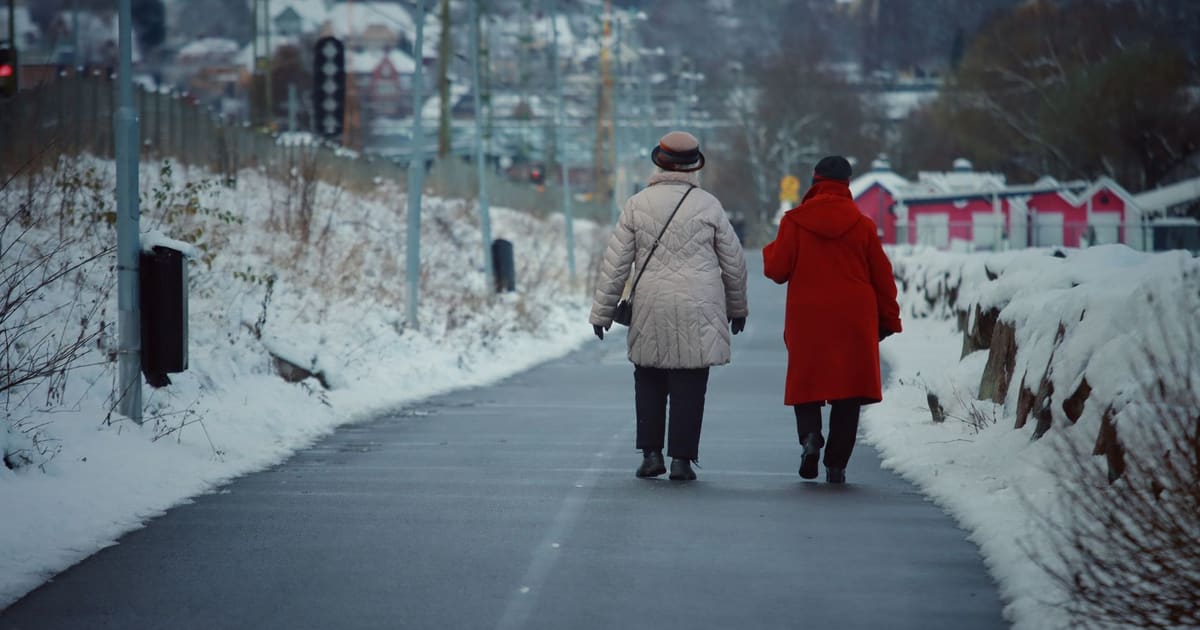
20 September 2026 · 8 menit
Temukan bagaimana netwalking untuk profesional menggantikan acara jejaring yang kaku dengan koneksi bisnis di udara segar yang terasa sangat alami.