




 $7.99City Highlights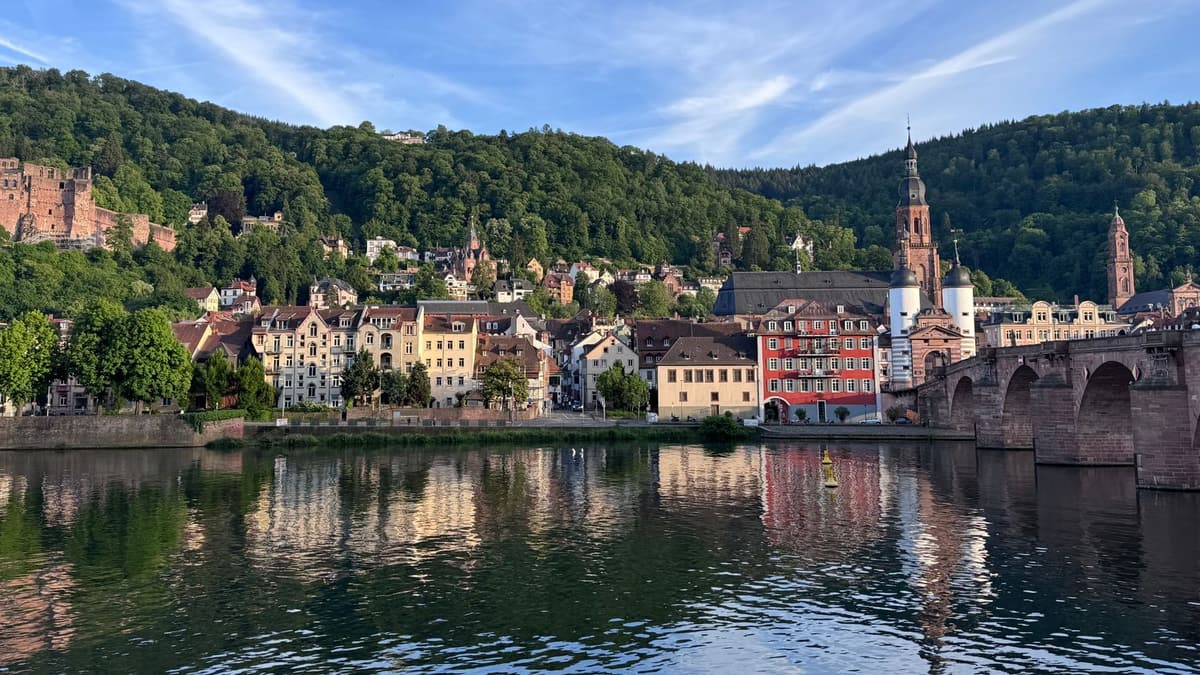
Heidelberg Audio Walking Tours
Self-guided, narrated walks through Heidelberg. Buy a tour once, download it, and hear the story at each stop while you walk at your own pace.
Tours from $7.99
Friends walk free. One purchase covers everyone on your walk. Start the tour, invite your friends to join, and it plays on every phone in your group.
5.0 on Google Play
Heidelberg audio tours
Each tour is a mapped route with narration at every stop. Buy it once and it is yours to keep, no subscription.
$7.99City Highlights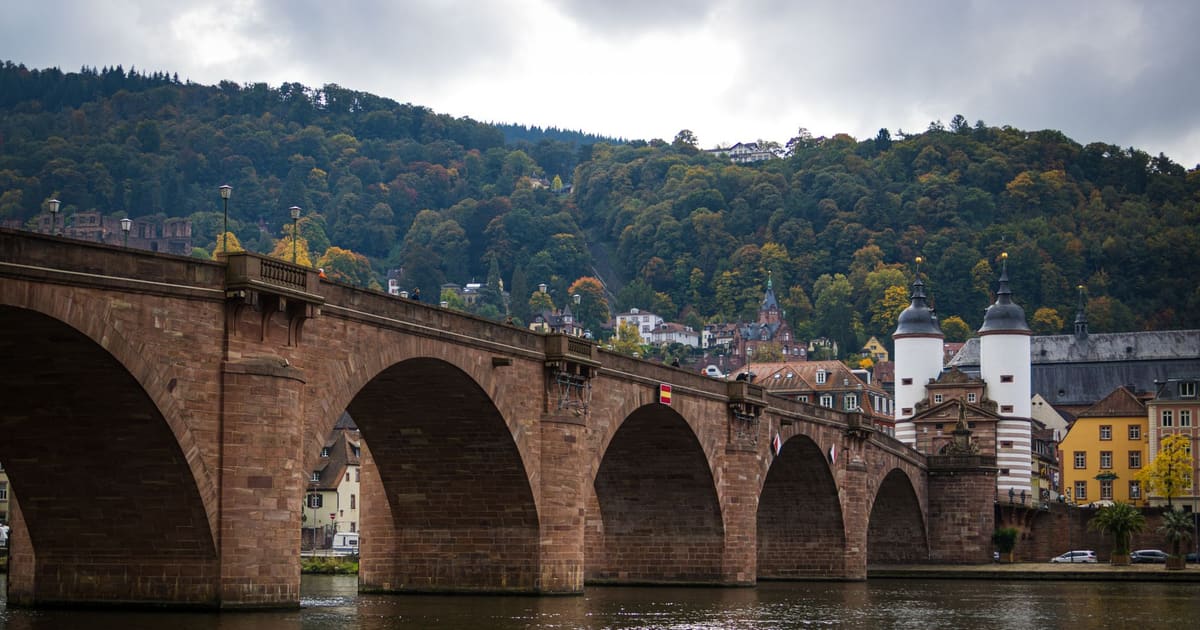 $8.99City Highlights
What to expect on a Heidelberg audio walking tour
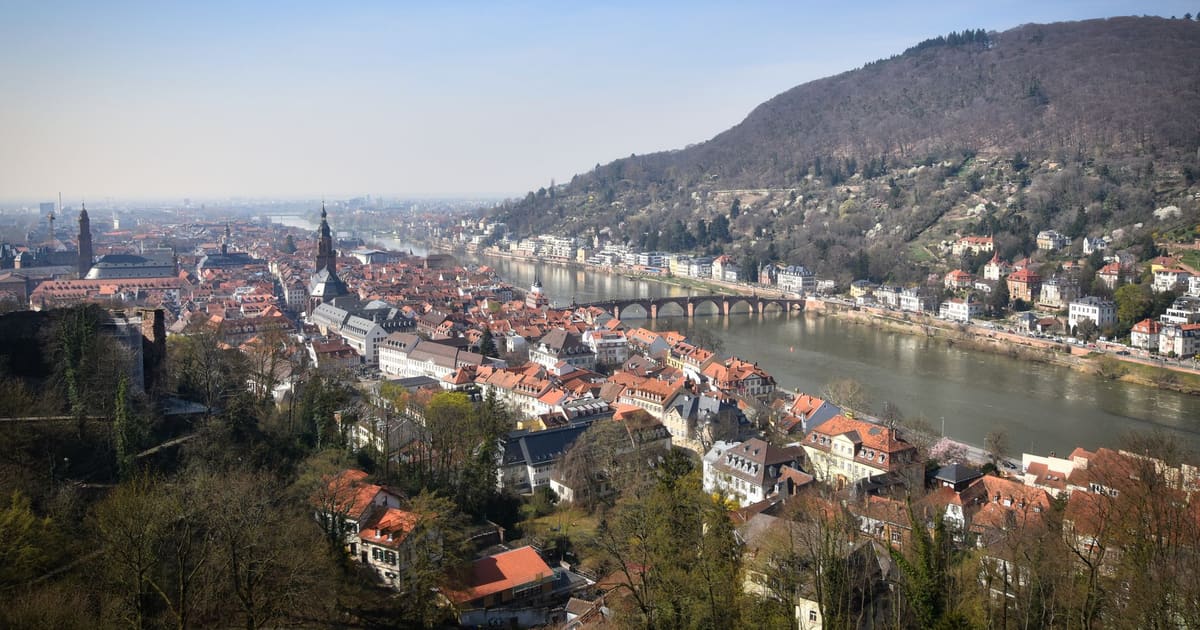
Heidelberg folds a red sandstone castle, a mile-long pedestrian street and a hillside path above the Neckar into one small university town, and an audio walk here carries you from the old churches up to the castle ruins, then across the river for the view every postcard chases.
The Heidelberg Old Town Walk follows the long pedestrian Hauptstrasse from the Kurpfälzisches Museum past Peterskirche, the oldest parish church in town, and the Jesuit Church to the Church of the Holy Spirit on the Marktplatz. From there it climbs to the Kornmarkt, with its best view of the castle on the hillside above, then up the Burgweg to Heidelberg Castle itself and the ruined terraces of its once famous garden. It covers 2 kilometers, about 32 minutes of walking, across 7 stops, with one serious climb near the end.
The Philosophers' Walk starts on the Old Bridge over the Neckar, with the castle sitting above the rooftops behind you, then climbs the steep stone stairway of the Snake Path to the Philosophers' Walk itself, a hillside path where professors and poets have come for two centuries to think and to look. It covers 2.4 kilometers, about 40 minutes of walking, across 5 stops, and it rewards the climb with the view every painter of Heidelberg has used.
From the viewpoint the path drops gently through the quiet villa streets of Neuenheim, crosses back over the river at the Theodor Heuss Bridge, and ends at Bismarckplatz, the busiest square in town, where the calm of the hillside gives way to trams and buses again. Both walks are flat for most of their length, so the climbs, not the distance, are what to plan around.
Where to walk in Heidelberg
A few of the stops you will pass, and why they are worth slowing down for.
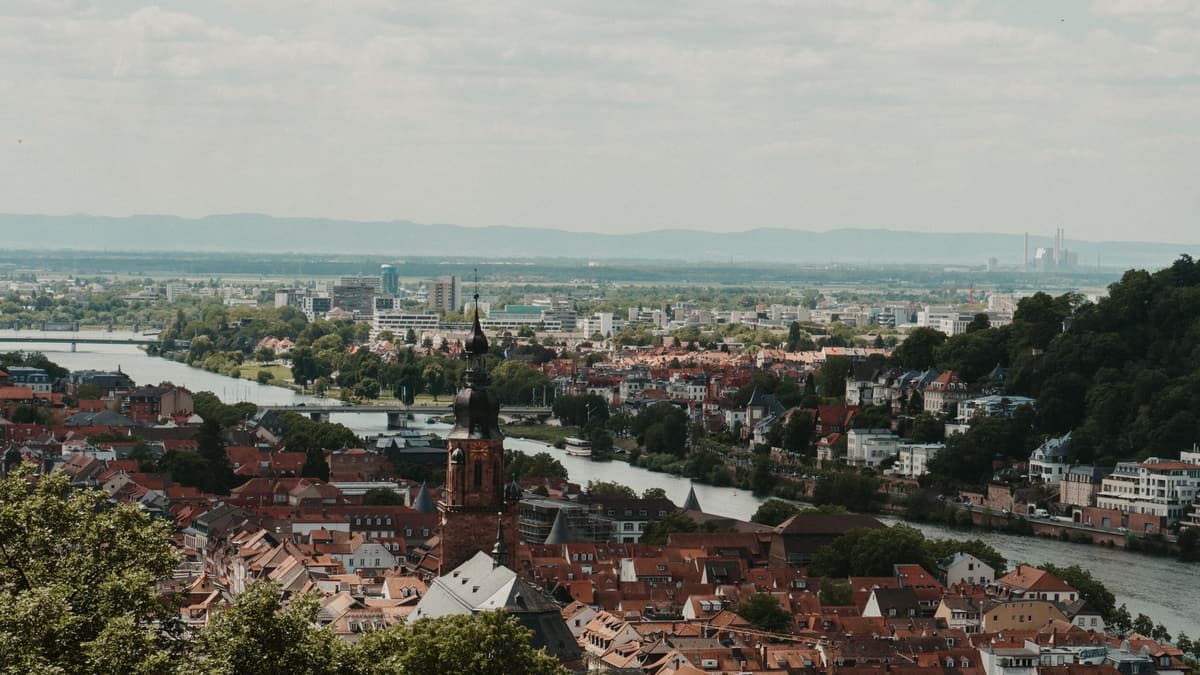
Church of the Holy Spirit
Heiliggeistkirche, the Church of the Holy Spirit, fills the middle of the Marktplatz, and from above you can see how its tower rises over the red roofs of the old town with the Neckar curving behind it toward the hills. The church was begun around 1400 under Rupert III, Elector Palatine, whose tomb lies in the choir, and its galleries once held one of the richest libraries in Europe, carted off to Rome during the Thirty Years' War. For more than two hundred years a wall split the nave between Catholics and Protestants. Little shops still lean against its stone buttresses today, a habit that goes back to the Middle Ages.
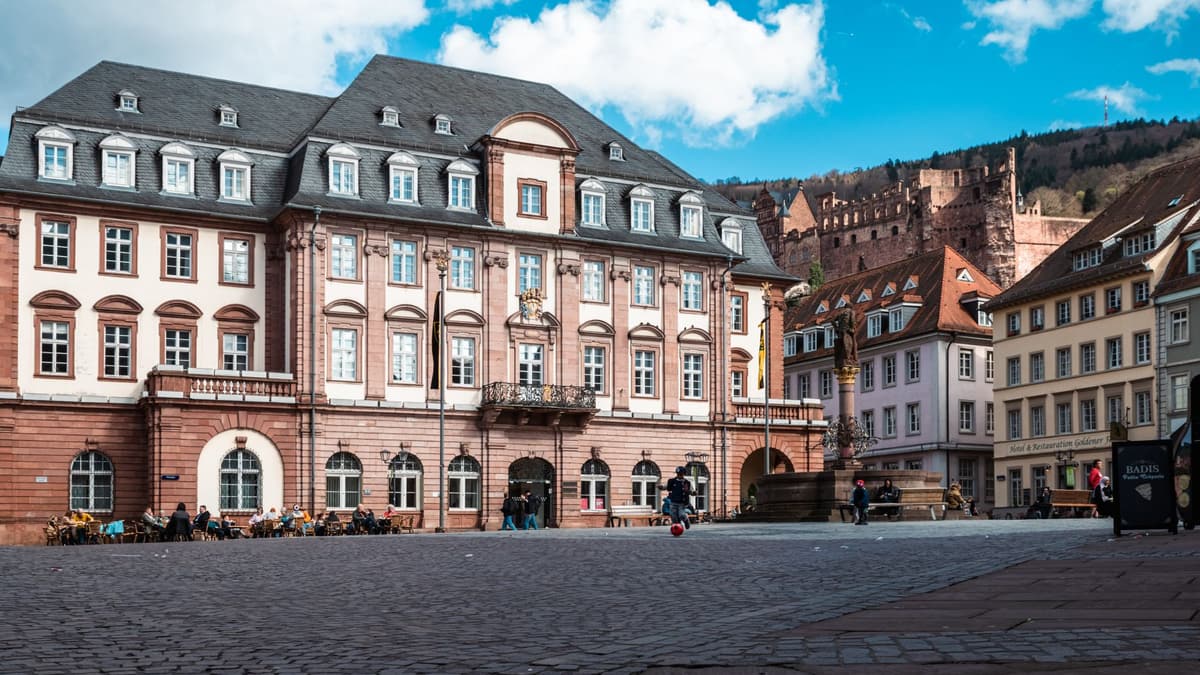
Kornmarkt
This small sloping square was once the grain market, and it gives you the best ground-level view of the castle, which spreads out above the rooftops on its wooded ledge, half palace and half ruin. The Madonna on her tall column was set up by the Catholic electors in the early eighteenth century, a very public sign of the faith they were bringing back to a once Protestant town. The old town behind her looks medieval in its street plan but Baroque in its houses, since French troops burned most of what stood here in the 1690s. From this corner a steep cobbled lane, the Burgweg, climbs up to the castle gates.
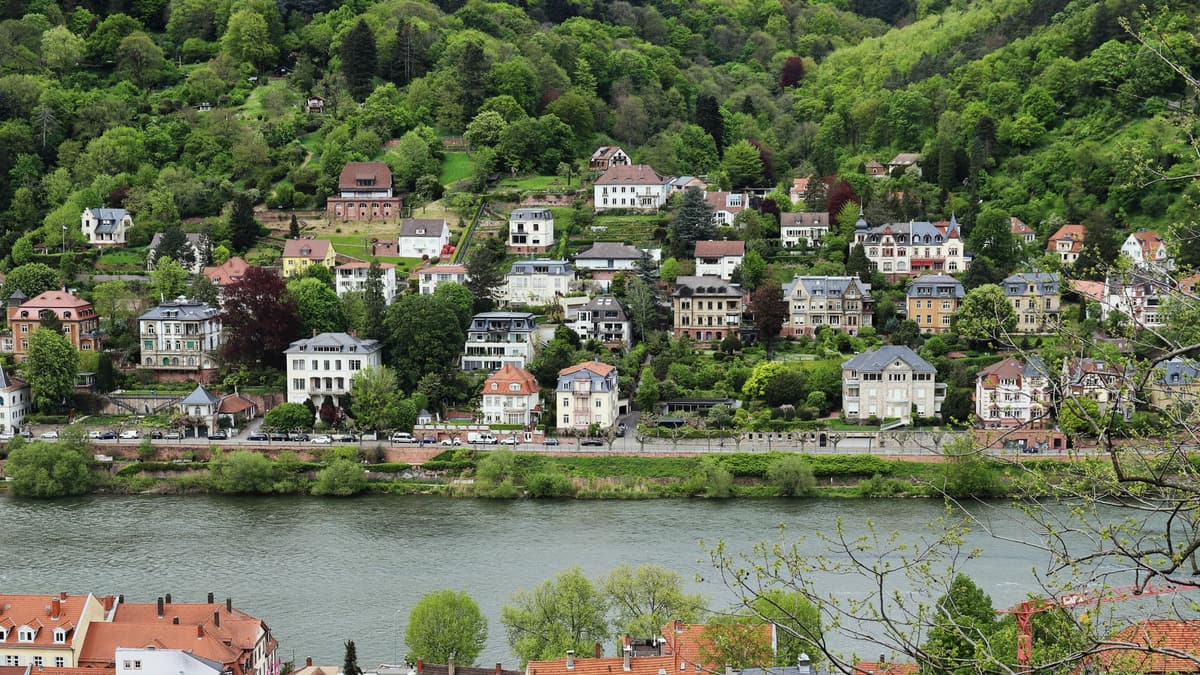
Neuenheim and the Philosophers' Walk
Across the river from the old town, the hillside village of Neuenheim climbs in terraces of villas and gardens up from the waterfront, with wooded slopes rising behind it. Neuenheim was its own village until the end of the nineteenth century, older than it looks, since the Romans kept a fort on this bank long before there was a castle across the water. The Philosophers' Walk runs along the hillside above, sheltered and sunny, which for centuries made this slope good ground for vineyards and now makes it a favorite spot for an early or late view back over the old town and the river.
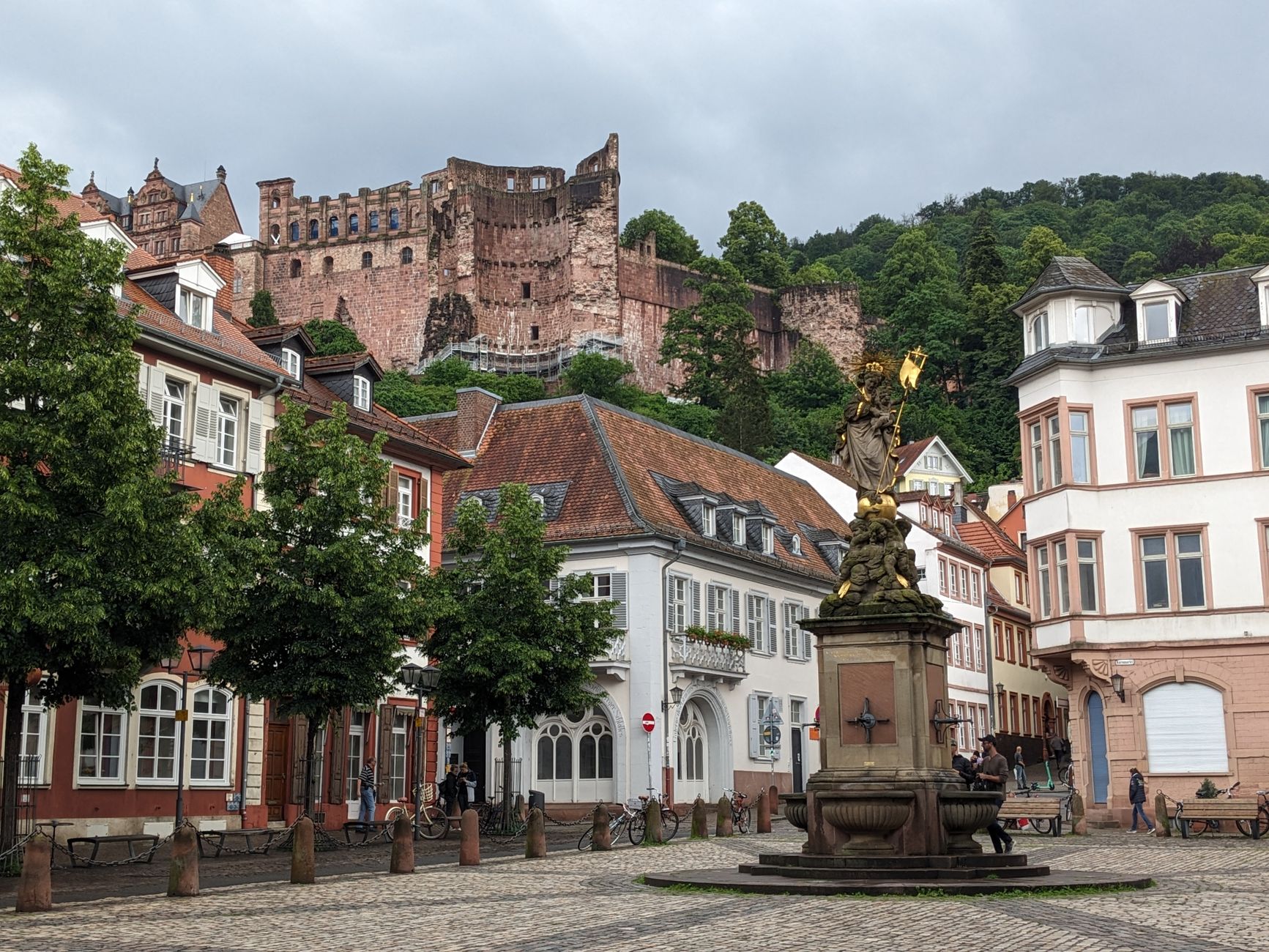
Heidelberg Castle
Heidelberg Castle hangs over the old town on its wooded ledge, red sandstone against green hillside, with gaps where roofs and floors should be. For centuries this was the home of the Electors Palatine, among the most powerful princes of the Holy Roman Empire, and each added a wing in the style of his day. French troops blew up much of it in the 1690s, and a lightning fire in 1764 ended any talk of rebuilding, so by the nineteenth century the ruin had become a symbol of German Romanticism, beloved of poets. Inside, the cellar holds the Heidelberg Tun, a wine barrel from 1751 big enough to hold 220,000 liters, with a dance floor on top.

The Old Bridge
The Old Bridge, properly the Karl Theodor Bridge, was built in stone in the 1780s after earlier wooden bridges here kept being wrecked by ice and floods. A statue of the elector who built it stands on the bridge, along with one of Minerva, a nod to the university just behind it. At the old town end rises a gate of two round towers with white Baroque caps, once part of the town walls, and a bronze monkey holds a mirror beside it, an old piece of local superstition said to bring you back to Heidelberg if you touch its fingers. Retreating troops blew up the bridge in March 1945, and townspeople raised the money to rebuild it within a couple of years.
Get the Audio Tour in 3 Simple Steps
All in the free Walk With Me app, and the first stops of every tour are free to try.
Tap the Gold Headphones and Pick a Tour


01
Walk It Solo or Invite Someone


02
Press Play and Walk


03
Handcrafted for Your Time in the City
These tours aren't a checklist of sights. They're made to be walked slowly, headphones on, eyes on the city.
Meditative and Immersive
Each story is told where it happened. The app chimes when you reach a stop, one tap starts the story, and the stretch between stops is yours to take in at your own pace.
Handcrafted With Care
We choose every route and every stop ourselves and shape each story with care, so the time you have in the city goes to the places most worth seeing.
Better With Someone
Every walk is better with someone beside you, so if you can bring a friend, we really hope you do. That's why one purchase covers everyone you invite: they join your tour free.