




 $7.99City Highlights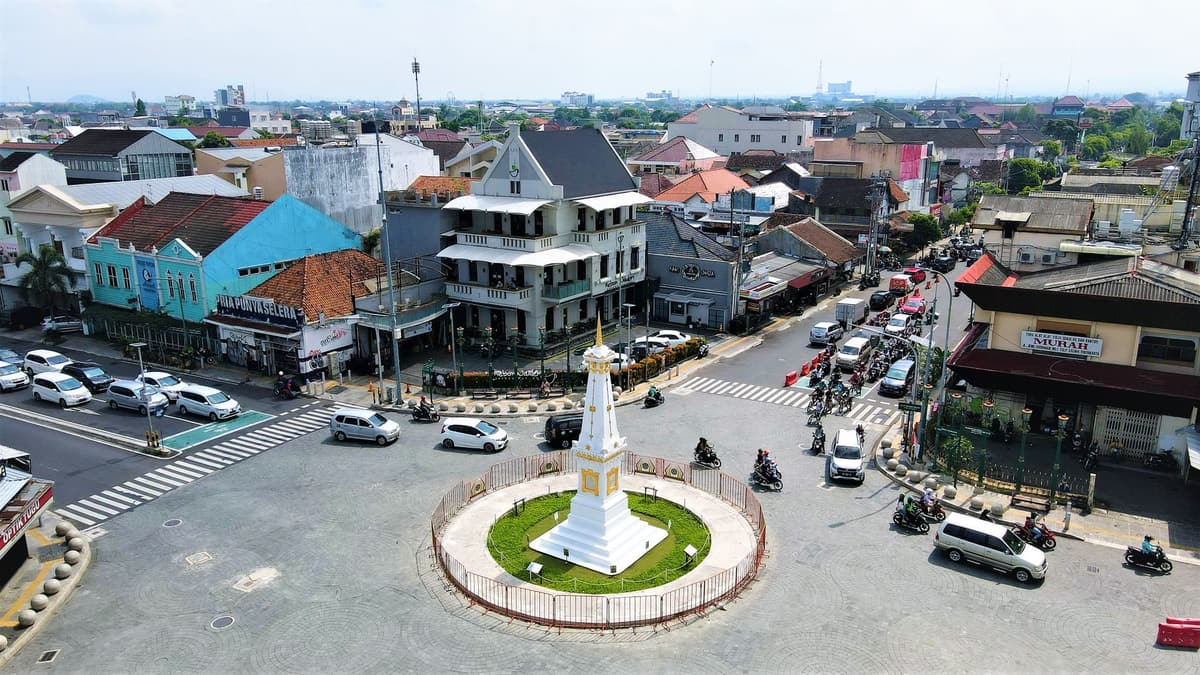
Yogyakarta Audio Walking Tours
Self-guided, narrated walks through Yogyakarta. Buy a tour once, download it, and hear the story at each stop while you walk at your own pace.
Tours from $7.99
Friends walk free. One purchase covers everyone on your walk. Start the tour, invite your friends to join, and it plays on every phone in your group.
5.0 on Google Play
Yogyakarta audio tours
Each tour is a mapped route with narration at every stop. Buy it once and it is yours to keep, no subscription.
$7.99City Highlights $9.99City Highlights
What to expect on a Yogyakarta audio walking tour
A Yogyakarta audio walk moves you along the old royal axis, from a white monument and a colonial station down a market street to the Sultan's square, or through the palace walls past a Dutch fort to the ruined water gardens, with narration timed to each stop.
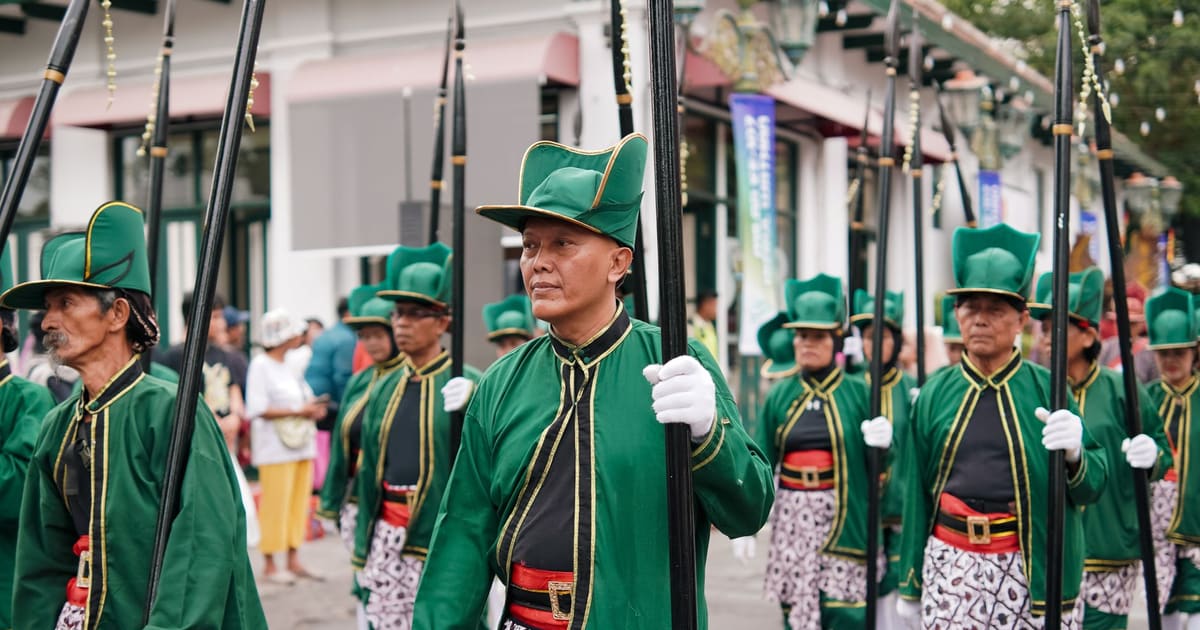
The Yogyakarta Malioboro Walk starts at the white Tugu monument, the northern anchor of the old royal axis, then passes the colonial-era Tugu Station before running the length of Malioboro, the city's famous market street. It continues past Fort Vredeburg and the presidential palace to the great north square in front of the Sultan's palace, and ends at the royal Kauman mosque. It's about 4.1 kilometers, roughly 57 minutes of walking, and dead flat.
The Yogyakarta Kraton Walk goes the other way into the royal town itself, starting inside the Kraton, the Sultan's palace, then visiting the hall of royal carriages next door. From there it slips through residential lanes to the ruined pleasure gardens of Taman Sari, with their ornate gate, underground mosque and bathing pools.
That walk crosses the Alun-Alun Kidul, the south square where locals try their luck walking blindfolded between two fenced banyan trees, and ends at Plengkung Gading, the ivory gate in the old city wall. It's about 2.8 kilometers, roughly 38 minutes of walking, and flat the whole way.
Where to walk in Yogyakarta
A few of the stops you will pass, and why they are worth slowing down for.
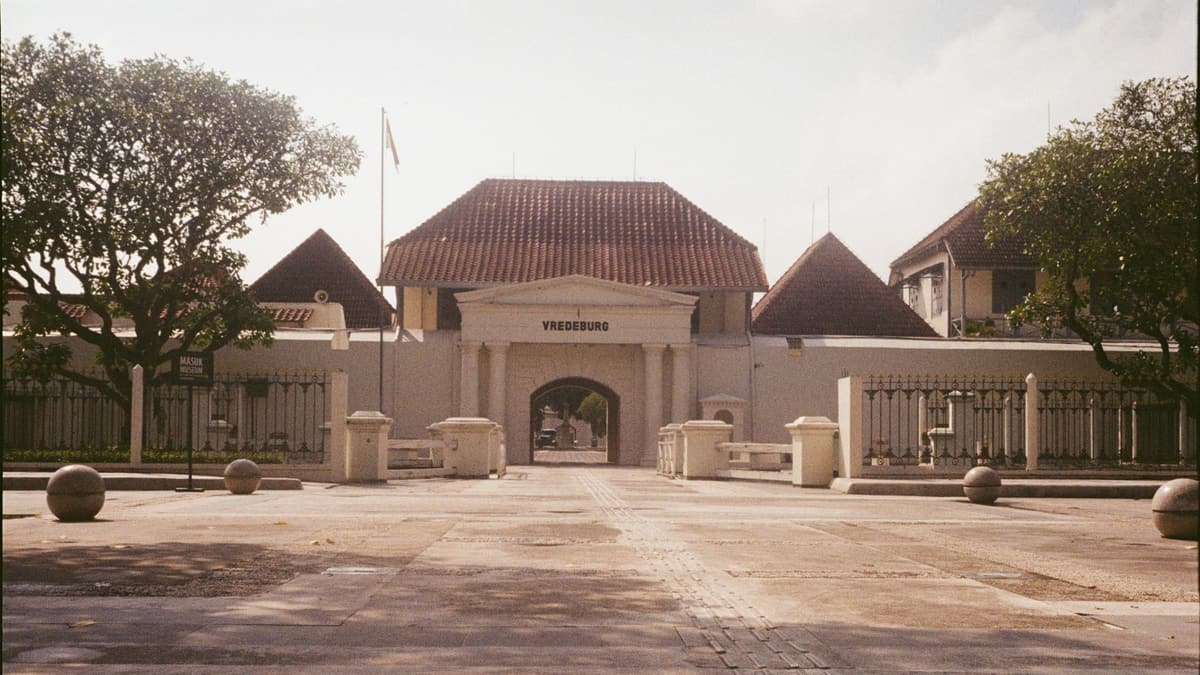
Fort Vredeburg
Fort Vredeburg is the low, whitewashed Dutch fort facing the presidential mansion of Gedung Agung across the road, and together the two buildings sum up this city's colonial history. The fort went up in the 1760s at the request of the Dutch East India Company, officially to protect the Sultan and, in practice, to keep watch on him from well within range of its guns. It was renamed Vredeburg, the fortress of peace, after an 1867 earthquake. Today it's a museum of Indonesia's independence struggle, full of dioramas, sitting right on the walk down Malioboro with the market street's noise still behind you.
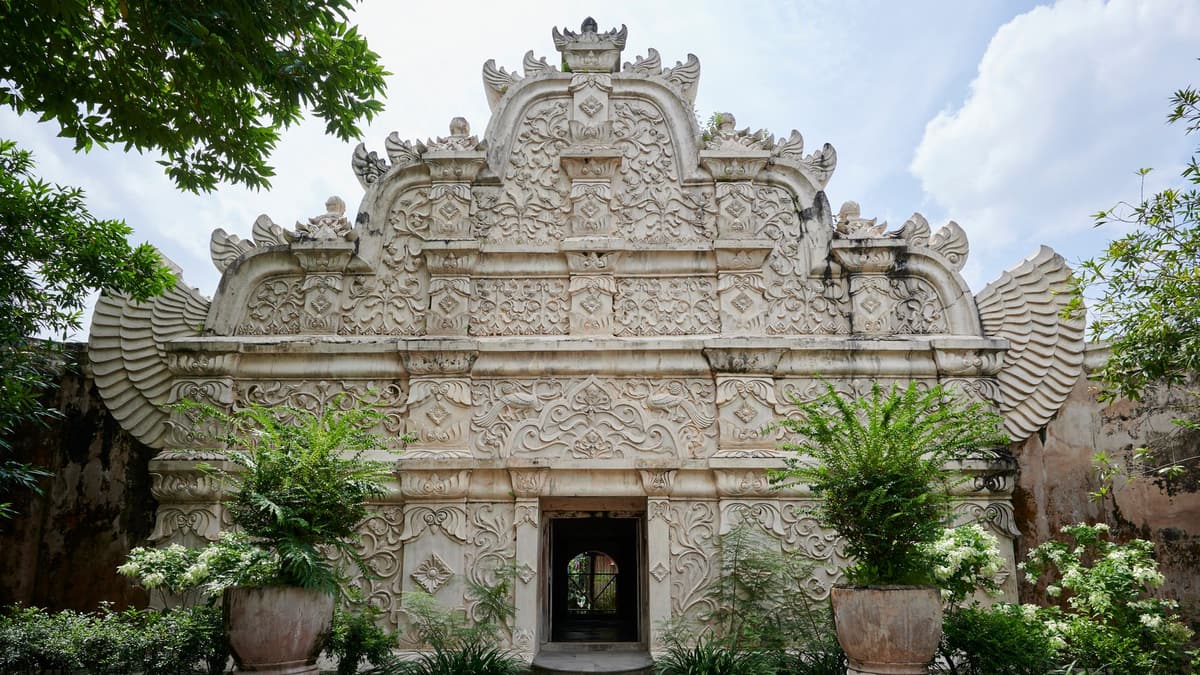
Taman Sari Water Castle
This carved gate, with its birds, flowers and vines worked into the stone, is the entrance into Taman Sari, the royal water garden Sultan Hamengkubuwono I built in the late 1750s as a retreat for his family. Beyond it lies Umbul Pasiraman, the bathing courtyard, with three pools and a small tower where tradition says the Sultan once watched the women of the court bathe below. The garden didn't survive in full. British forces damaged it in 1812 and an 1867 earthquake brought down more, and small batik workshops grew up among the ruins. The bathing courtyard was restored in recent decades, and the water runs clear again.
Alun-Alun Kidul
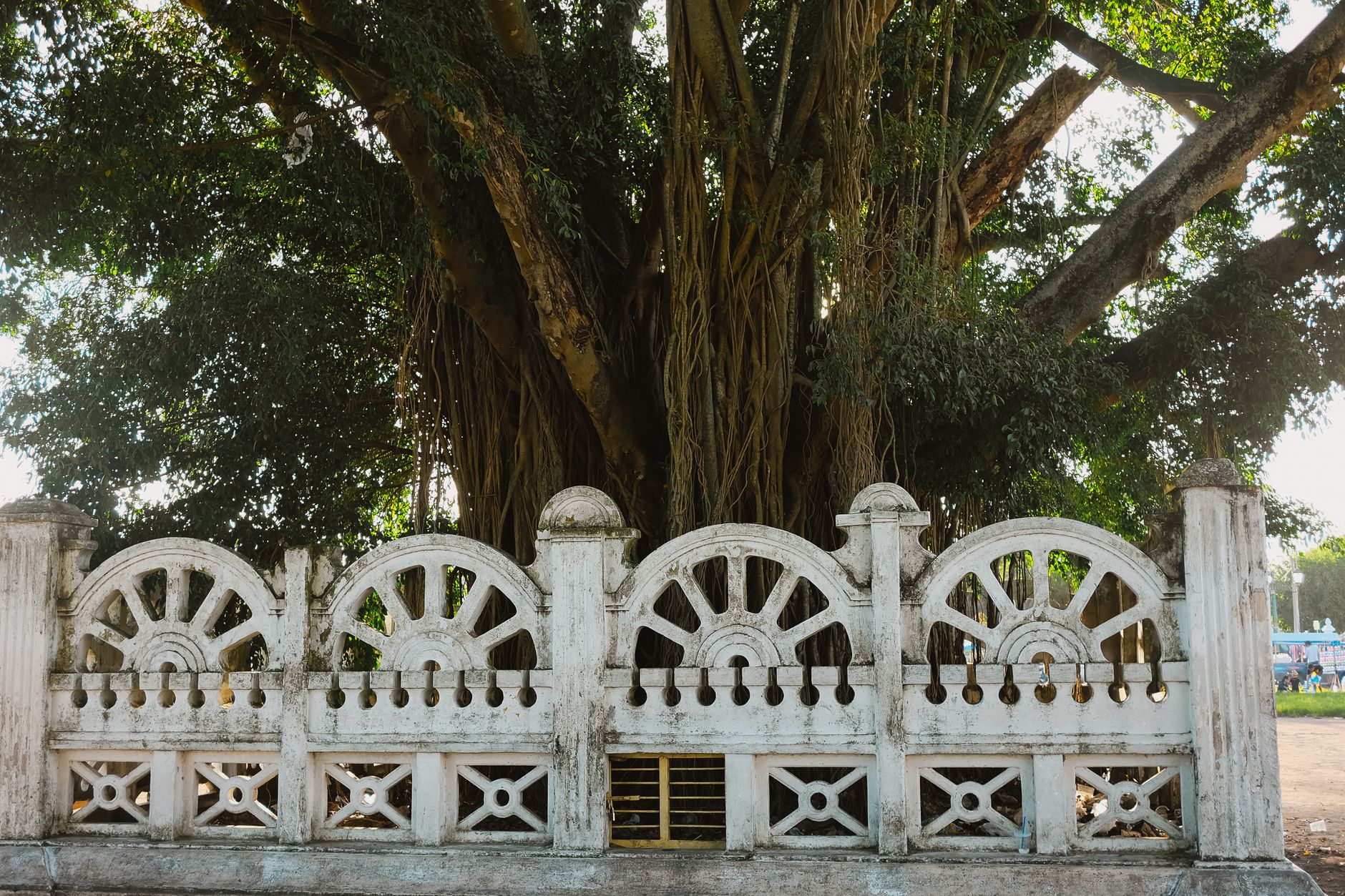
This is Alun-Alun Kidul, the south square, a relaxed neighborhood park with the back of the palace rising to the north. In the middle of the grass stand two banyan trees, each fenced off on its own, and around them locals play masangin: put on a blindfold and try to walk straight between the two trees. Most people drift off to one side, to everyone else's amusement, and folklore says only those with a pure heart make it through. In the evening the square fills with food stalls and pedal carts strung with colored lights, while mornings bring joggers and children on the swings.
Get the Audio Tour in 3 Simple Steps
All in the free Walk With Me app, and the first stops of every tour are free to try.
Tap the Gold Headphones and Pick a Tour


01
Walk It Solo or Invite Someone


02
Press Play and Walk


03
Handcrafted for Your Time in the City
These tours aren't a checklist of sights. They're made to be walked slowly, headphones on, eyes on the city.
Meditative and Immersive
Each story is told where it happened. The app chimes when you reach a stop, one tap starts the story, and the stretch between stops is yours to take in at your own pace.
Handcrafted With Care
We choose every route and every stop ourselves and shape each story with care, so the time you have in the city goes to the places most worth seeing.
Better With Someone
Every walk is better with someone beside you, so if you can bring a friend, we really hope you do. That's why one purchase covers everyone you invite: they join your tour free.