
5 tháng 10, 2026 · 7 phút
A Walking Buddy Schedule
Fix one or two days, a time and a meeting place, agree a bad-weather plan and what happens when one of you cancels, and start small.

1 tháng 6, 2026 · 8 phút
Loneliness is genuinely bad for your health, but the famous line that it's as harmful as smoking 15 cigarettes a day is a rough comparison, not a measurement. It comes from a 2010 review of 148 studies, which found that people with weak social ties were more likely to die early, and set that effect on a chart beside the effect of smoking fewer than 15 cigarettes a day. The review measured social relationships in general rather than loneliness itself, and it compared numbers from different studies, so the fair reading is "a serious risk on the same scale as familiar ones", not "one lonely evening equals a pack". Walking won't cure loneliness on its own either: in trials, exercise programmes didn't make people less lonely. What a walk can do is give you a regular, low-pressure way to spend time with the same people, which is much closer to what does help. Here's where the claim comes from, what the evidence says about fixing loneliness, and where walking fits in.
The source is a 2010 meta-analysis in PLoS Medicine by Julianne Holt-Lunstad, Timothy Smith and Bradley Layton. They pooled 148 studies covering 308,849 people, followed for an average of 7.5 years, and found that people with stronger social relationships had a 50% greater likelihood of survival over that time than people with weaker ones. To show how big that is, they drew a chart comparing it with the effects of other risk factors taken from separate meta-analyses, and one of the bars was smoking fewer than 15 cigarettes a day. The overall effect of social relationships came out a little below that smoking bar, and the most detailed measures of social integration came out above it. Thirteen years later, the US Surgeon General's 2023 advisory, Our Epidemic of Loneliness and Isolation, turned that kind of comparison into a headline: "The mortality impact of being socially disconnected is similar to that caused by smoking up to 15 cigarettes a day." The advisory's own chart, drawn from a 2017 review co-written by Holt-Lunstad, describes itself as "a visual approximation", and from there the line spread widely, often with "loneliness" in place of "social disconnection".
Three limits matter. First, the 2010 review mostly measured the structure and support of people's relationships, such as marriage, living alone, the size of their network and whether they felt supported, not loneliness, which is a feeling. Second, the studies were observational. The authors point out that nobody can randomly assign people to be isolated, so the review shows a strong link rather than proof that weak ties cause early death; illness, for example, can both shrink your social life and shorten it. Third, most of the studies came from North America and Western Europe, and the smoking figure came from a different set of studies, so the comparison lines up two separate estimates rather than testing them against each other. None of that makes the finding small. The Surgeon General's advisory, drawing on a later review, puts the rise in the risk of early death at 26% for loneliness and 29% for social isolation, which is a big effect for something most of us don't think of as a health issue. The honest summary is that being cut off from other people belongs on the list of things that matter for health, alongside the familiar ones, even if the cigarette count is more of a picture than a number.
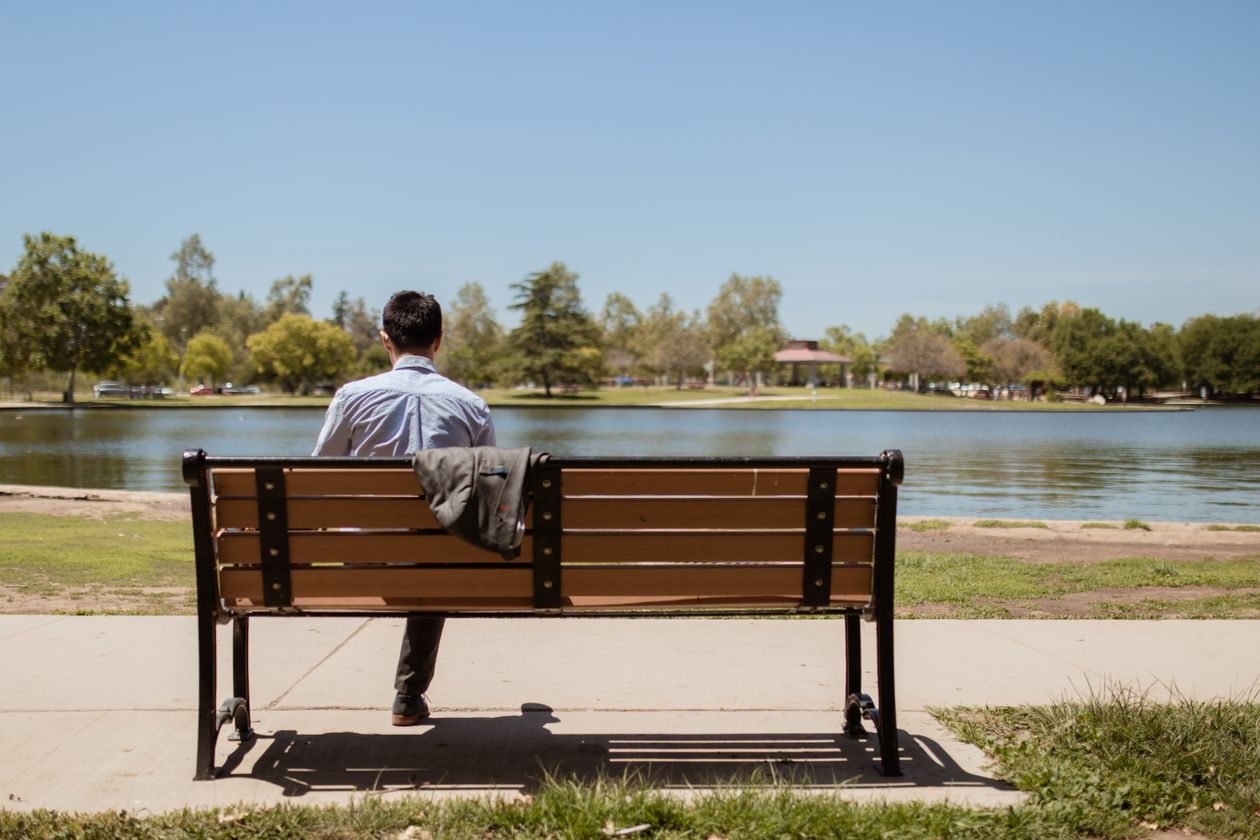 Photo: RDNE Stock project, Pexels
The World Health Organization's 2025 report on social connection estimates that 1 in 6 people worldwide is affected by loneliness, and links it to an estimated 100 deaths every hour, more than 871,000 a year. It's not only an older person's problem: between 17% and 21% of people aged 13 to 29 said they felt lonely, with the highest rates among teenagers. The WHO's definitions are worth knowing, because they explain a lot. Loneliness is "the painful feeling that arises from a gap between desired and actual social connections", while social isolation is the objective lack of them. So you can be surrounded by colleagues and still feel lonely, and you can live alone, see few people and feel fine. That distinction matters for what helps, because adding more people to your week fixes isolation directly, but it only fixes loneliness if the time with them is the kind you want.
It would be neat if walking simply cured loneliness, but the trials say otherwise. A 2018 review in Psychology of Sport and Exercise looked at 38 randomised trials of physical activity programmes with 5,288 older adults. The programmes had a small positive effect on social functioning (roughly, how well people take part in social life), and the effect was strongest when the activity happened in groups. But they made no measurable difference to loneliness, social support or the size of people's networks. These were exercise programmes for older adults, not walks with people you like, so they don't tell us much about a weekly walk with friends. They do suggest the movement itself isn't the active ingredient.
An older review points to what is. In 2011, Christopher Masi, John Cacioppo and colleagues analysed 50 studies of ways to reduce loneliness. Among the better-designed, randomised studies, simply giving people more chances to meet others did least, and the approaches that worked best tackled the way lonely people tend to think about others. Lonely people, the authors explain, are more likely to expect rejection and to judge themselves and others more harshly, which makes reaching out feel riskier than it is and can keep them lonely. In their words, "the number of friends or social interactions is not as predictive of loneliness as the quality of their relationships". So what helps is time with people that slowly turns into real relationships and, for some people, help with the habit of expecting rejection, which is what the most effective programmes in the review worked on.
That's where a regular walk with the same people earns its place. It isn't magic, and it isn't therapy, but it has the right shape. It repeats, so the same faces come back and time can turn into friendship. It asks very little of you, because there's a plan and a route, and you don't have to fill a whole evening or host anyone. And I think each time you turn up, get a hello and walk an hour beside someone, it quietly argues with the expectation that people won't want you there. In my own case, after I moved from Tunis to Budapest, it was student events and later social events that got me meeting people, and walks with a lot of people came after that. Walking wasn't where it started; it was where those first meetings led. If you'd like a place to begin, keep it small and regular:
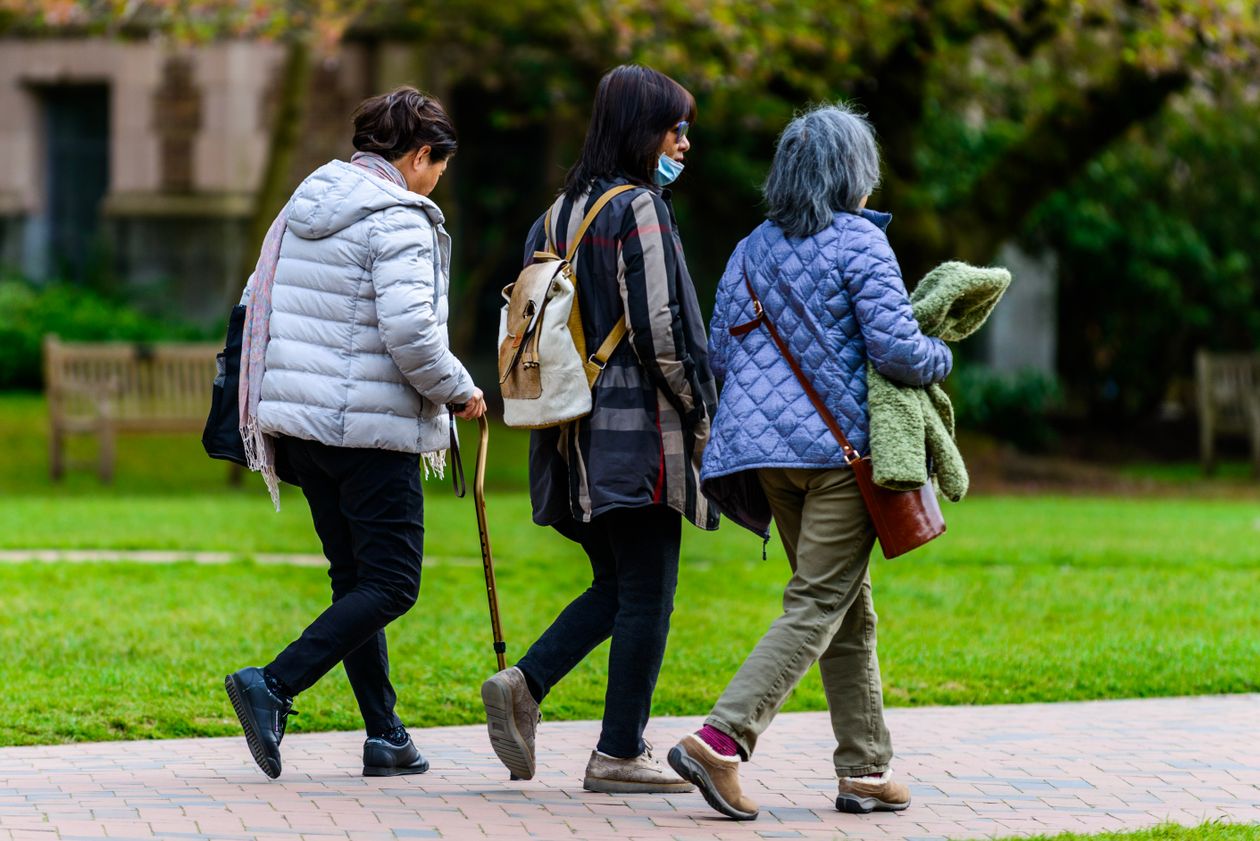 Photo: Bryce Carithers, Pexels
Loneliness and depression often travel together: the WHO notes that people who are lonely are twice as likely to get depressed. If your mood has been low for more than two weeks, if you're struggling to cope, or if the things you're trying aren't helping, the NHS advice is to see a GP, and that's the right step in any country: talk to your doctor. If you're ever worried about your safety, contact your local emergency number straight away.
If you'd like a regular walk with other people, Walk With Me shows walks near you on a live map, both ones happening now and ones planned for later. You can ask to join a group walk, or set up your own and let people nearby find you. There's more about meeting people through walking and finding a walking group on our site. It's free on the App Store and Google Play.
5 tháng 10, 2026 · 7 phút
Fix one or two days, a time and a meeting place, agree a bad-weather plan and what happens when one of you cancels, and start small.
21 tháng 8, 2026 · 7 phút
A regular walking partner keeps older adults walking and seeing people. How to pick one, walk safely, add balance work, and where to find a companion.
30 tháng 7, 2026 · 7 phút
How to meet someone new for a walk, or join a walking group, safely: what to check first, how to plan the first walk, and what to do if something is off.
