October 2, 2026 · 6 min read
Geo Guessing Tips to Win More Rounds
My best Geo Guessing tips: read the photo before the map, spend the weekly hint on the right round, and post photos people love to guess.
657
September 30, 2026 · 8 min read
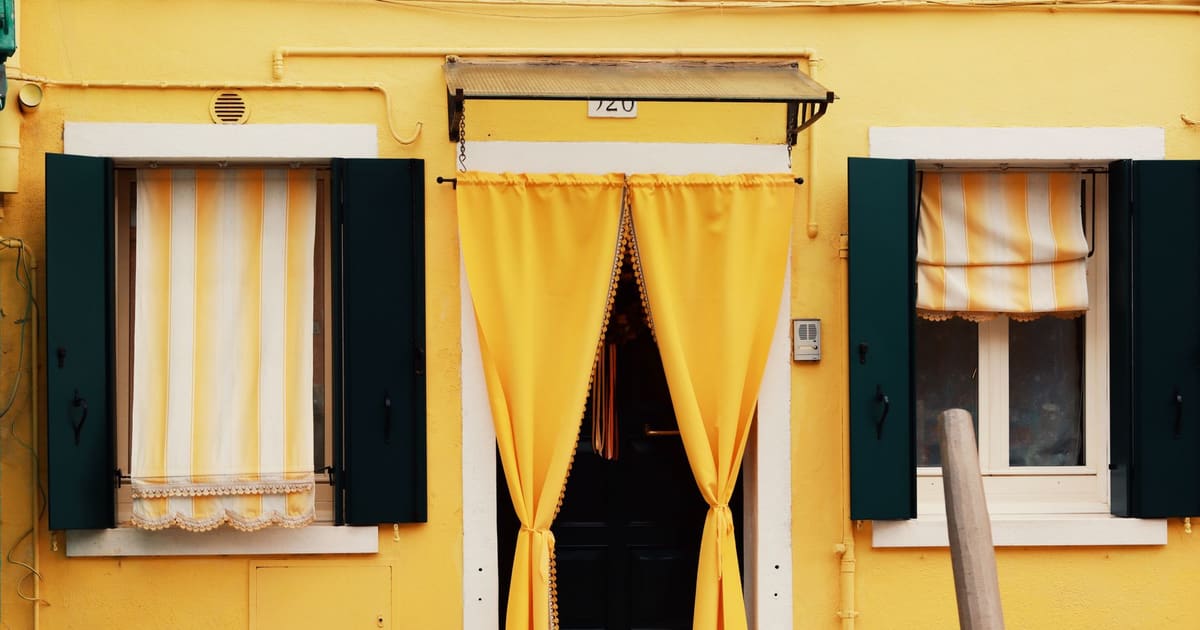
Take the classic colour hunt, add a camera, a photo target and a clock, and you get a different game. It stops being "spot ten red things" and becomes "who can photograph six red things first, while everyone else is doing the same somewhere else in town." That's the colour photo hunt, and it's the best color scavenger hunt photo game I know for friends who don't live on the same street. This post covers the rules that make it fair, the tactics that win, and how we turned it into Spectrum Walk, a game in Walk With Me. If you want the plain, no-phone version of the colour hunt, or other games altogether, our walking games guide has them.
In a spoken colour hunt, you call out "red car!" and everyone takes your word for it. That's fine on a walk together. It falls apart the moment players are in different places, because nobody can check.
A photo fixes that. The picture is the proof, so the game works across a whole city, or across two countries. It also changes how you hunt. You can't just glimpse something red in a passing bus. You need a shot where the colour is the obvious subject, which means stopping, framing and looking properly. The walk slows down, and you notice far more.
And at the end, you have something. A spoken hunt leaves nothing behind. A photo hunt leaves a grid of everyone's red, and seeing how differently each person saw the same colour is half the fun.
If you're running a photo colour hunt with friends by group chat, these rules stop the arguments before they start.
One colour for everyone. A shared colour means a shared challenge. Different colours per player sounds fun but makes the race uneven, because yellow is everywhere and purple is not.
Stick to colours with a clear hue. Red, orange, yellow, green, teal, blue, purple and pink. Leave out black, white, grey and brown. They're too easy to find and too hard to judge: is a dark blue door "black"? Nobody can say.
The colour has to be the point of the photo. A street with one tiny red sign in the corner doesn't count. If you'd have to point at it, it's not the subject.
Real things only. No photos of a screen, a paint swatch or a printed picture. The game is finding the colour in the world.
Fresh photos only. Nothing from your camera roll. Every shot has to be taken during the game.
A target and a deadline. First to the target number wins on the spot. If nobody gets there, most photos at the deadline wins. You need both: the target makes it a race, the deadline stops it running forever.
The two numbers decide what kind of game you're playing.
A small target in a short window, like three photos in thirty minutes, is a quick burst. Good for a lunch break or for kids.
A medium target over a couple of hours, six photos in two hours, is the classic. It fits a proper walk and leaves room to be picky about shots.
A big target over a full day, twelve photos in 24 hours, becomes a background game. You play it on the way to work, at lunch, on the walk home. It's surprisingly addictive, because you start seeing the colour everywhere for the whole day.
My rule of thumb: the harder the colour, the smaller the target. Six purple photos is a real challenge. Six green ones in summer is a walk to the nearest park.
Go where the colour lives. Every colour has habitats. Red: post boxes, shop signs, fire hydrants, brick. Yellow: road markings, taxis, flowers, cycle jackets. Blue: doors, recycling bins, street signs. Purple: florists, painted shutters, some shop fronts. Teal: old railings, painted window frames, café signs. Before you start, think about where your colour is most likely to be within ten minutes of you.
Fill the frame. Get close. A red door shot from across the street might not read as "red" in a small thumbnail. The same door shot from two steps away is unmistakable.
Use the light. Colour is strongest in daylight without harsh sun. In the evening, shop signs and lit windows become your friends.
Don't burn time on doubtful shots. If you're not sure the colour reads clearly, take a better one or move on. A doubtful photo costs more time than it saves.
Take a walk, not a stakeout. The best hunters keep moving. Standing still waiting for a red car is slower than walking to a street full of red brick.
We built this game into the app as Spectrum Walk, and it follows the rules above.
The host starts a game and rolls the colour, one of eight with a clear hue: red, orange, yellow, green, teal, blue, purple and pink. They pick a photo target from 3, 6, 9 or 12, and a time limit from thirty minutes to 24 hours. A game can be community, posted to the Walk Feed for others to join up to a player limit, or solo, a private round against the clock. In a community game, people can join any time before the deadline. Late joiners need the same number of photos, they just have less time.
Photos come from the in-app camera only, so nothing from your camera roll. Each photo is checked for two things: that the colour is clearly in it, and that it's a real scene, not a screen or a printed swatch. A photo that doesn't pass is shown only to you, with a prompt to try again. There's a short wait between shots, so nobody can win by firing off pictures as fast as they can tap.
The first player to have the target number of photos accepted wins, and the game ends right there. If nobody gets there, most photos at the deadline wins, and equal counts share the place. Winners earn XP: 100 for first, 30 for second, and 15 for third when more than two people finish. Finish a solo game in time and you earn 150 XP.
The feed post shows everyone's photos as the game goes on, in a grid you can swipe through player by player, and each new accepted photo bumps the post back to the top of the feed. Your live games sit in My Walks and in the app's Games section, so you can dip in, shoot a photo, and get on with your day.
One thing it deliberately doesn't do: track you. There's no live route recording and nothing running in the background. You open the game when you want to take a picture, and that's it.
The spoken colour hunt is still the best game for a walk side by side with someone, especially with kids, and our post on colour scavenger hunt ideas covers that version. The photo hunt is for when your friends are scattered, or when you want a game that runs through a whole day instead of one walk.
Roll a colour this weekend and send it to three friends with a deadline. Or open Spectrum Walk in Walk With Me and let the app keep score. It's free on iOS and Android.
October 2, 2026 · 6 min read
My best Geo Guessing tips: read the photo before the map, spend the weekly hint on the right round, and post photos people love to guess.
October 2, 2026 · 7 min read
GPS Doodle is coming to Walk With Me. My tips for a higher match score: choosing the shape and the streets, sizing it right and walking every corner.
October 2, 2026 · 7 min read
Mystery Destination is coming to Walk With Me. My tips for solving it faster: reading the compass, trusting the warmth bands and choosing where to start.