
October 7, 2026 · 6 min read
Best Walking Surfaces for Dogs
Wondering where to walk your dog for healthy joints and safe paws? We compare grass, dirt, and concrete across heat, shock absorption, and daily wear.
580
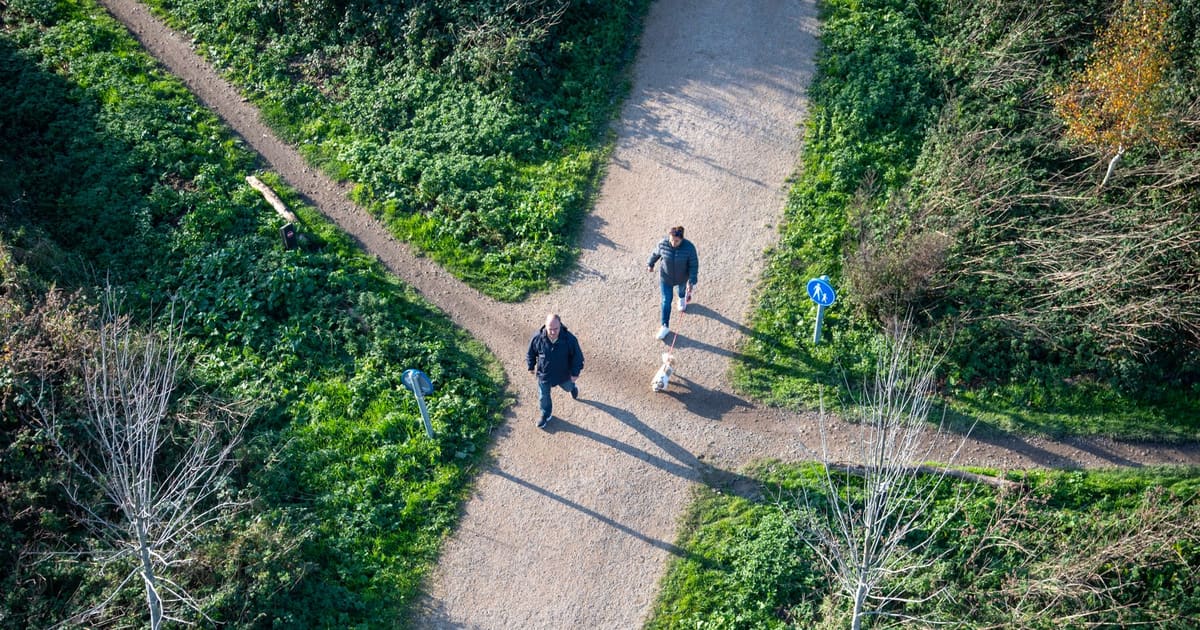
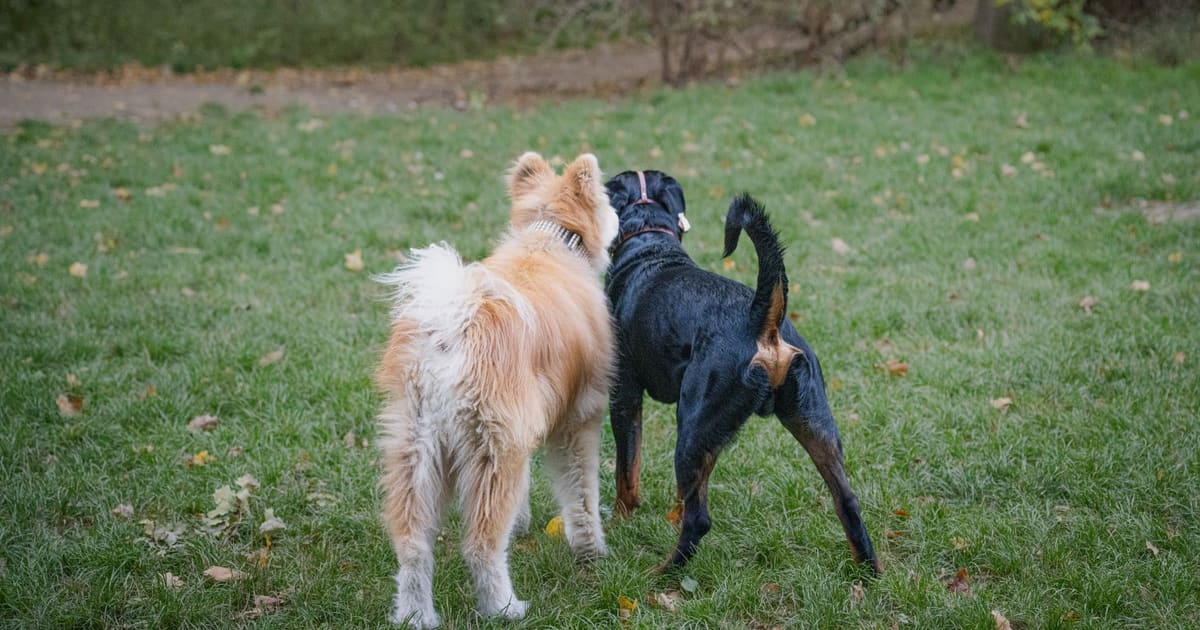
You are standing on a damp patch of grass at 7 AM, holding a tight leash while your golden retriever lunges toward a nervous poodle. The poodle's owner is giving you a cold stare, and your hot coffee is spilling over your knuckles. This chaotic, stressful scene is exactly what happens when dog socialization is left to chance. That is why I built a social dog walking app to help owners move away from messy, face-to-face confrontations and toward structured, calm group walks.
Go to any local dog park on a Saturday morning. You will see a dozen dogs running in a fenced enclosure while their owners stand in a circle, staring at their phones. Suddenly, a growl escalates into a scuffle. One dog gets defensive, another gets over-excited, and the owners have to sprint across the mud to pull them apart. It is stressful for you, and it is incredibly stressful for your dog.
When dogs meet face-to-face on tight leashes, they cannot use their natural body language. They cannot curve their approach or sniff each other from a safe angle. Instead, they are forced into a straight-line confrontation. This triggers barrier frustration. Your dog wants to say hello or run away, but the leash holds them back. That tension travels straight down the cord to your hand, signaling to your dog that there is something to worry about.
We tend to think that socialization means letting dogs wrestle. It does not. True socialization is teaching your dog to remain calm and neutral in the presence of other dogs. Forcing them into high-energy playgroups often does the opposite, turning them into frustrated greeters who bark at every dog they see on the street. It builds a habit of hyper-arousal that is incredibly hard to break.
There is a much better way to help your dog feel comfortable around others. It is called parallel walking. Instead of letting two dogs meet nose-to-nose, you walk them in the same direction, spaced several feet apart.
This changes the entire dynamic. Dogs are cursorial animals, meaning they are built to move. When they walk side-by-side, they are focused on the forward movement, the smells on the ground, and the environment. They are sharing an activity without the pressure of direct eye contact.
To your dog, this feels like pack behavior. They think, "We are traveling together. We are searching for resources. We are a team." After ten minutes of walking twenty feet apart, you will notice the tension melt away. The nervous dog stops looking back. The hyperactive dog stops pulling. They accept each other's presence because they have spent time moving together in a structured format.
This is the foundation of a great pack walk. You do not need to let the dogs touch or play to give them a rich social experience. Just walking in the same space, sharing the same scents, is incredibly satisfying for their minds. It builds confidence without the risk of a fight.
So, how do you find people who want to walk this way? You open Walk With Me and look at the live map.
Our app uses color-coded markers to show you exactly what is happening in your neighborhood. Live walks are green markers, and scheduled walks are blue markers. But for dog owners, the real magic lies in the pink paw markers. These represent walks specifically created for dog walking.
When you spot these pink markers, you are looking at a map of potential walking partners who already understand that their dogs need exercise and socialization. You can tap on a marker to see the walk details, the planned route, the distance, and how many people are joining.
If you see a scheduled walk on a Saturday morning that fits your schedule, you can request to join. The host will see your request and can approve it. This keeps the group size manageable and ensures that every participant is aligned on how the walk will run. You can even use the in-walk group chat to introduce yourself and your dog before the walk begins.
If you do not see any pink paw markers near you, it is time to create your own. This is where you can set the ground rules for a successful parallel walk.
Start by choosing "Schedule walk" in the app. Pick a date and time in 15-minute increments. When you write the title and description, be explicit. Do not just write "Dog Walk." Write "Parallel Dog Walk: No Leash Contact." In the description, explain that the goal is to walk together in the same direction with plenty of space between dogs. This attracts the right kind of owners, people who want a calm, structured experience rather than a chaotic play session.
Next, use the custom itinerary feature to draw your route. You can set up to 5 route stops. For a dog walk, look for wide sidewalks, quiet residential streets, or open park paths. Avoid narrow trails where you might be forced into tight squeezes with oncoming traffic. The app will automatically work out the distance, duration, and incline based on the path you draw, so other owners know exactly what to expect.
Most importantly, set a participant limit. For a parallel walk, especially your first one, keep the group small. Three or four dogs is the sweet spot. Any more than that, and it becomes difficult to manage the spacing on standard sidewalks. Keeping it small ensures everyone has a positive, stress-free experience.
Never let the dogs greet each other on leash at the start of the walk. Keep a strict ten-foot buffer zone between all dogs from the moment you meet until the moment you part ways. This single rule prevents ninety percent of all dog fights and keeps the energy levels beautifully calm.
When you host a walk, the pin on the public map is shifted by up to 200 meters, and the shift stays fixed for that walk. It's a small buffer, but the meeting point you write in the walk details is visible to anyone who can see the walk, so pick a public spot rather than your front door.
Once you approve a participant's request to join, you can share your precise live location with them. When they arrive, they can use the "Find your host" helper to spot you.
As the host, your job is to greet the other owners and immediately establish the boundary. When a new walker arrives, wave and say, "Hey! We are keeping about ten feet of space between the dogs today to keep things relaxed." Most owners will feel an instant sense of relief. They do not want their dogs lunging any more than you do.
Start walking within five minutes of the meeting time. Do not stand around in a circle waiting. Movement is your best friend. As soon as the dogs start moving forward, their focus shifts from each other to the path ahead, and the pack dynamic begins to take hold.
What happens if a dog reacts? It is bound to happen eventually. A squirrel darts across the path, or a noisy motorcycle speeds past, and one of the dogs in your pack loses its cool.
Do not panic, and do not scold the dog. The best response is simple: increase the distance. The owner of the reacting dog should calmly step off the path, creating a larger buffer zone until their dog settles down. The rest of the pack should keep moving forward.
This is why we keep the group small and the route planned with wide spaces. By keeping the pack moving, you prevent the other dogs from feeding off the reactive dog's energy. Once the dog has calmed down, they can slot back into the parallel line at a comfortable distance. This teaches the reactive dog that they can recover from excitement and rejoin the group without any drama. It is a powerful training moment that is impossible to replicate in a chaotic dog park.
Once you find a few owners and dogs that get along well, you can turn this into a regular habit. Consistent routines are what dogs crave.
You can add these owners as friends in the app. Once you are friends, you can invite them to join a Walk Pack. This is a small group of up to five people with a shared weekly step-goal bar and a dedicated group chat. It is a fantastic way to stay accountability partners and keep each other motivated to get those daily steps in.
If you have a favorite walking buddy, you can pair up directly. You will be able to see each other's daily steps, send a once-a-day wave, and keep a joint streak alive. You can even run a friendly step race of up to four weeks to see who can log the most steps with their pup.
For those who want to automate their schedule, Premium lets you set up 2 recurring walk templates and Power Walker up to 5. You can set a weekly pack walk for every Sunday morning at 8 AM, and your friends will automatically know where and when to meet.
Socializing your dog does not have to be a stressful test of nerves at the local park. Download Walk With Me from the App Store or Google Play today, find those pink paw markers, and start building a calm, happy walking routine for you and your dog.
October 7, 2026 · 6 min read
Wondering where to walk your dog for healthy joints and safe paws? We compare grass, dirt, and concrete across heat, shock absorption, and daily wear.
September 11, 2026 · 9 min read
Learn how walking someone elses dog requires specific safety steps, gear checks, and trust-building protocols to avoid common mistakes.

September 5, 2026 · 6 min read
When comparing puppies to walking senior dogs, the older dogs require far more precision, careful pacing, and specific surface choices to stay healthy.
