




 $15.99Turning Points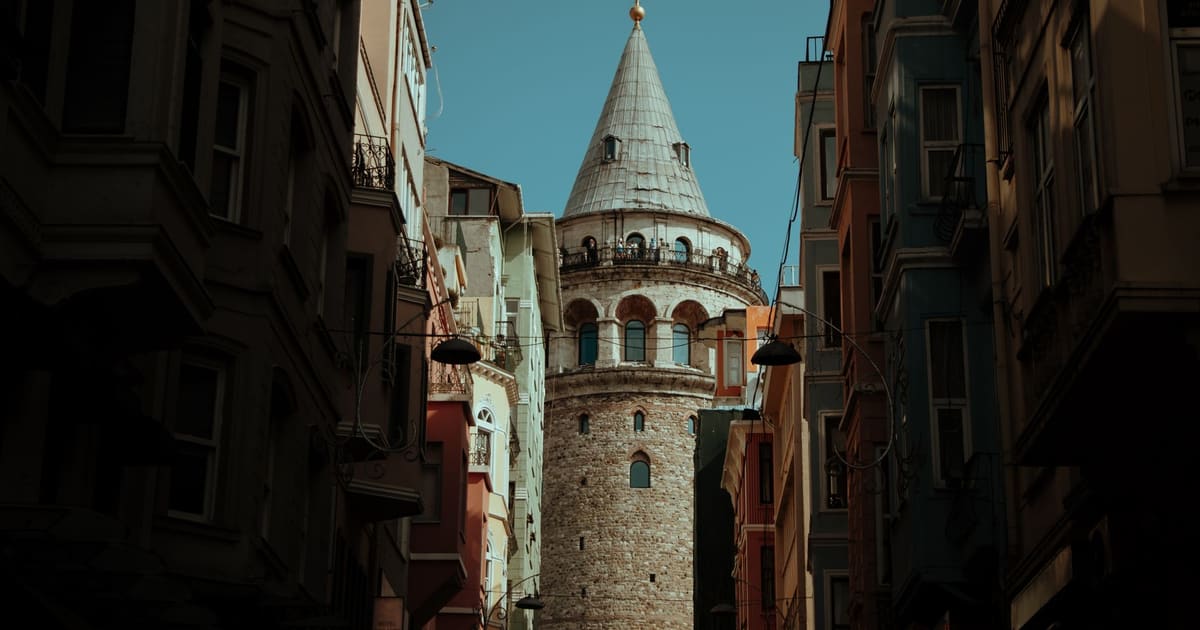
Istanbul Audio Walking Tours
Self-guided, narrated walks through Istanbul. Buy a tour once, download it, and hear the story at each stop while you walk at your own pace.
Tours from $8.99
Friends walk free. One purchase covers everyone on your walk. Start the tour, invite your friends to join, and it plays on every phone in your group.
5.0 on Google Play
Istanbul audio tours
Each tour is a mapped route with narration at every stop. Buy it once and it is yours to keep, no subscription.
$15.99Turning Points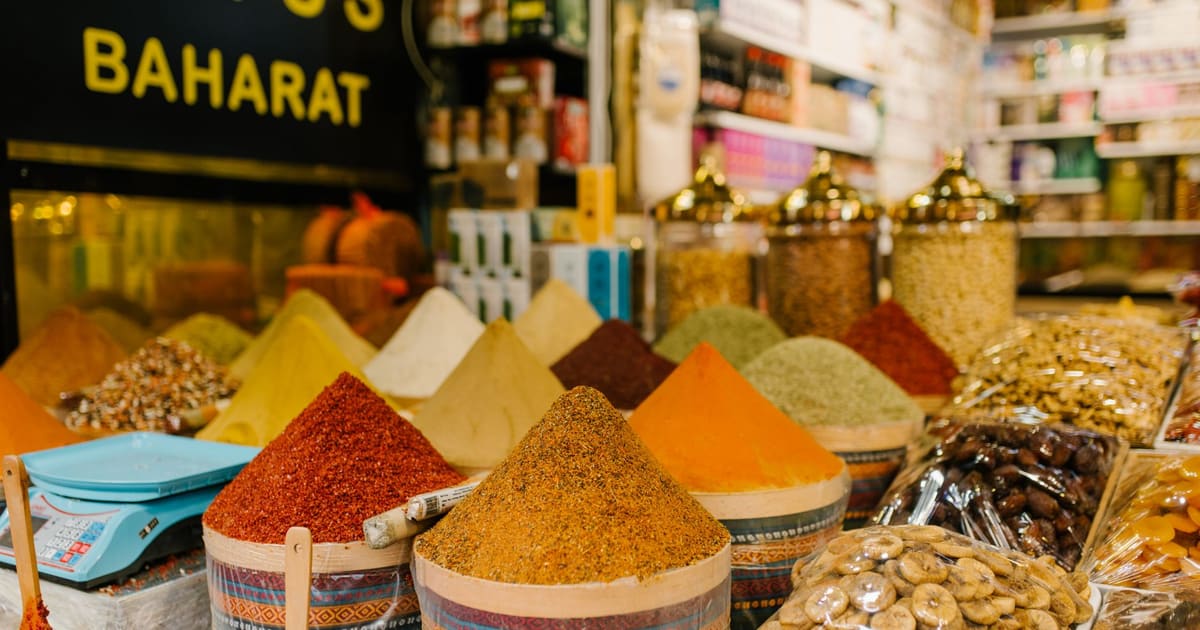 $15.99Food & Tastings$9.99City Highlights
 $8.99City Highlights
What to expect on a Istanbul audio walking tour
An Istanbul audio walk carries you between the two faces of the old city, the imperial mosques and palace of Sultanahmet and, across the Golden Horn, the merchant streets of Galata and Pera, with the Bosphorus and the call to prayer threading through both.
The Sultanahmet Walk starts in the shade of Gülhane Park, climbs into the courtyards of Topkapı Palace, the home of the Ottoman sultans for some four hundred years, and stands beneath the dome of Hagia Sophia before going underground into the Basilica Cistern. It crosses the old Hippodrome, passes the Column of Constantine, and finishes in the covered lanes of the Grand Bazaar. It covers 3.5 kilometers, about 49 minutes, over 8 stops on gentle, hilly ground.
The Galata & Pera Walk starts at Süleymaniye Mosque on its hilltop, drops through the Spice Bazaar and crosses the Galata Bridge among the anglers, with the Golden Horn opening up on both sides. From Karaköy it climbs steeply past Galata Tower, the old Genoese watchtower, up into Pera, the nineteenth century quarter of embassies and grand hotels, finishing at a Catholic church just off İstiklal Avenue. It runs 3.4 kilometers, about 52 minutes, over 6 stops, with a steep climb at the midpoint.
The two walks sit on opposite banks of the Golden Horn and work well back to back, one tracing fifteen centuries of Byzantine and Ottoman rule in a tight cluster of monuments, the other following the inlet that made Istanbul one of the great harbors of the world. Morning suits Sultanahmet, when the big sights open calm, while late afternoon light over the water favors the walk across to Galata and Pera.
Where to walk in Istanbul
A few of the stops you will pass, and why they are worth slowing down for.
Hagia Sophia
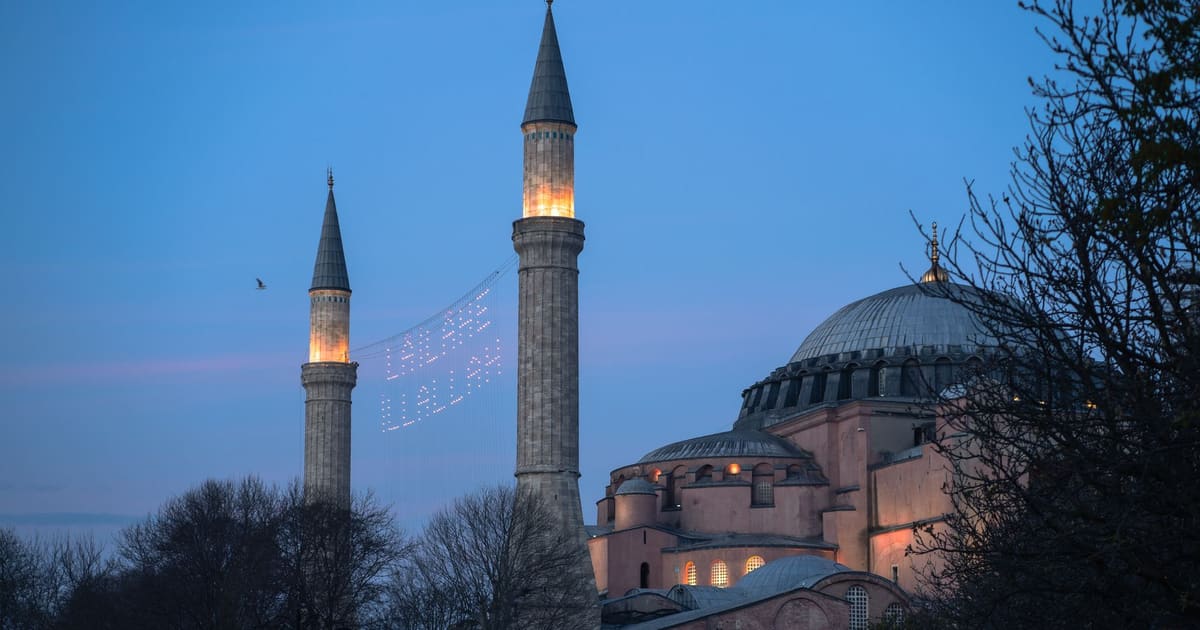
Hagia Sophia's buttressed walls and minarets hide one of the most daring buildings ever raised. The emperor Justinian ordered it built in 537, in about five years, with a vast shallow dome set over an open space so that it seems to float on a ring of windows. For nearly a thousand years it was the greatest church in Christendom, until Mehmed II's forces took the city in 1453 and it became a mosque, with minarets added over the following century. In the 1930s it became a museum, and in 2020 it was turned back into a working mosque. Inside, look for the great round calligraphy panels and the Byzantine mosaics kept in the galleries above.
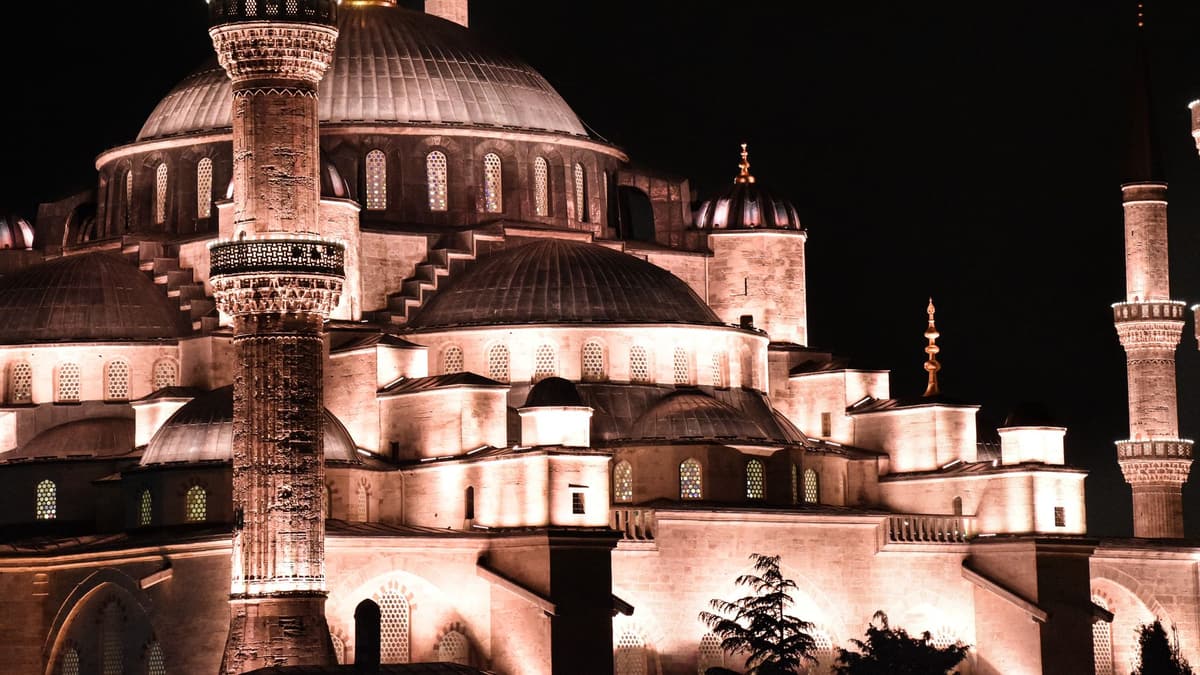
The Blue Mosque
Officially the Sultan Ahmed Mosque, this is the building the world knows as the Blue Mosque, commissioned in the early 1600s and finished in 1616, its cascade of domes and six slender minarets placed deliberately facing Hagia Sophia across the square. The name comes from inside, where more than twenty thousand hand-painted İznik tiles in blue, green and white cover the walls, with tulips, carnations and cypress trees lit by over two hundred windows. It remains a working mosque, closing to visitors at prayer times, so shoulders and knees should be covered and shoes come off at the door. The great courtyard out front is worth a slow look before you join the queue for the visitors' entrance.
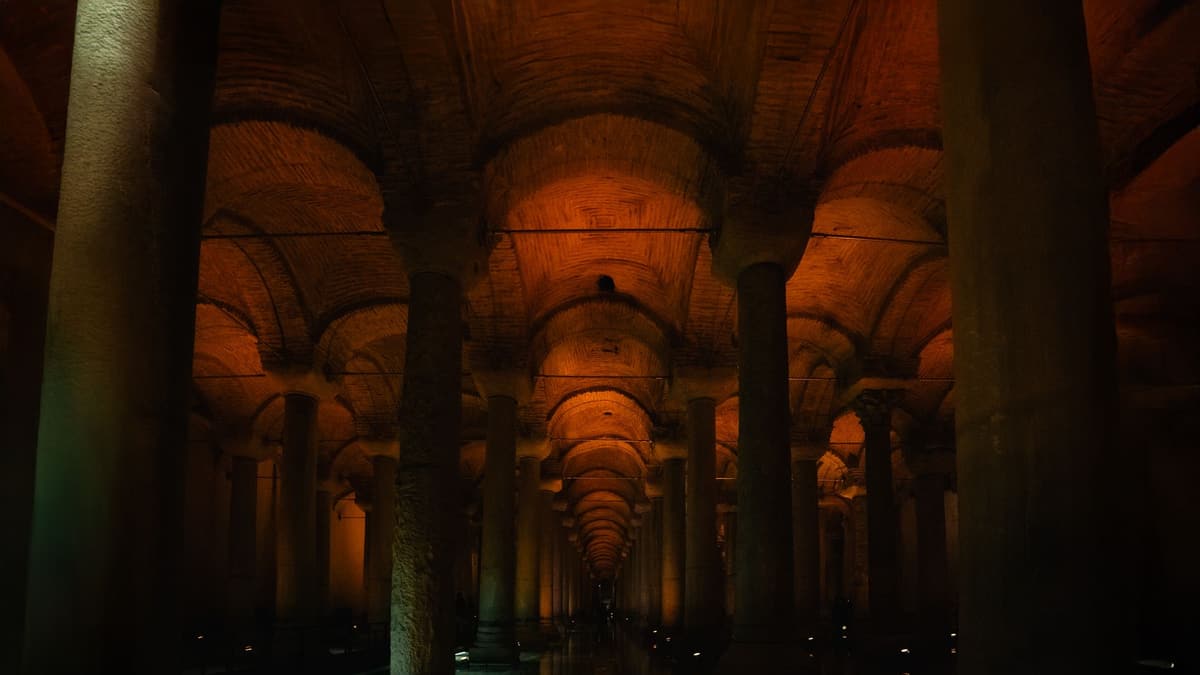
The Basilica Cistern
From the street this looks like nothing more than a small entrance building, but go down the steps and the modern city vanishes. The Basilica Cistern is a vast underground reservoir built in the sixth century under Justinian to store water for the nearby Great Palace, and locals have long called it the Sunken Palace. Some 336 marble columns, many reused from older buildings, rise out of shallow water in long rows lit a warm orange, their mismatched capitals a giveaway that they came from different structures. Walk the raised walkways to the far corner for two columns resting on carved heads of Medusa, one turned sideways and one upside down, for reasons nobody has ever settled.
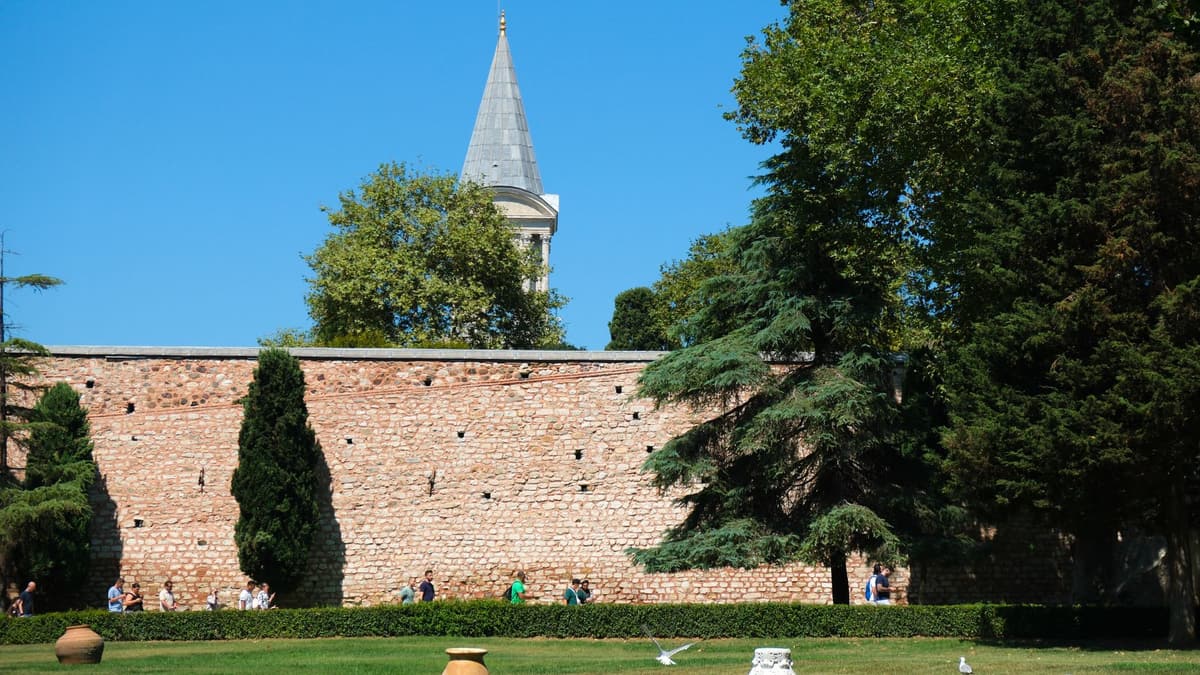
Topkapı Palace and Gülhane Park
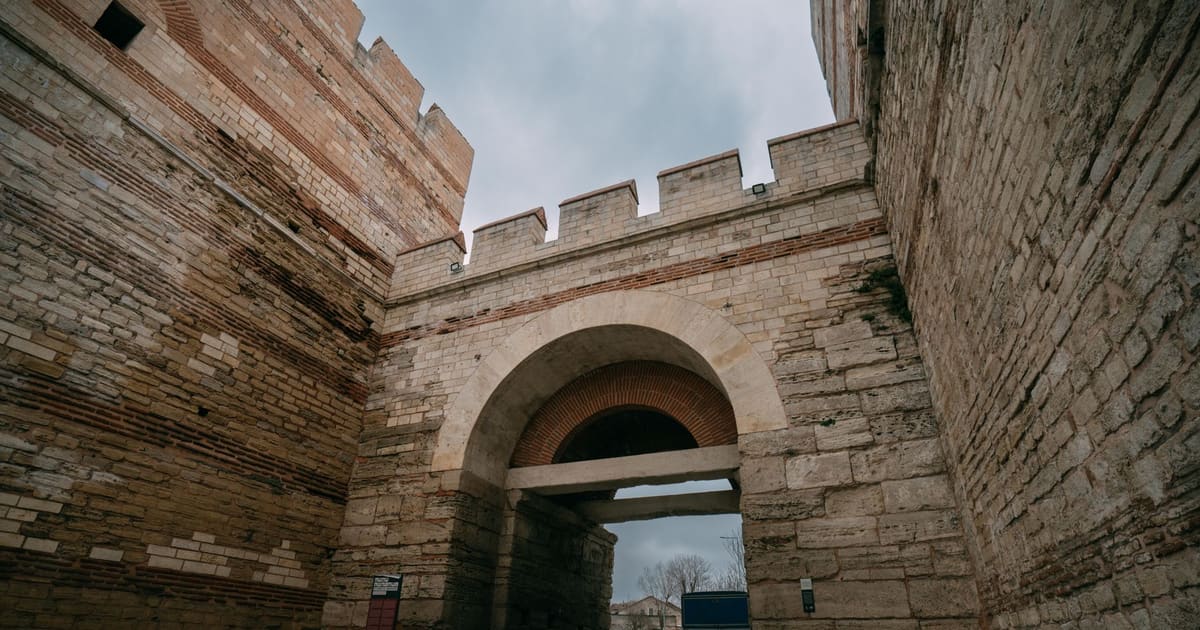
Gülhane Park's tall plane trees shade what was once the outer garden of Topkapı Palace, walled grounds that only the palace household could once walk through. Look up the slope from the park and you can see the palace walls running along the ridge above, with a corner tower and pointed roof rising over the stone. After Mehmed II took the city in 1453 he built the palace here on the headland where the Bosphorus meets the Golden Horn, and it remained the seat of the Ottoman sultans for roughly four hundred years, laid out as a sequence of courtyards growing more private the deeper you go. It became a museum in the 1920s, after the empire ended.
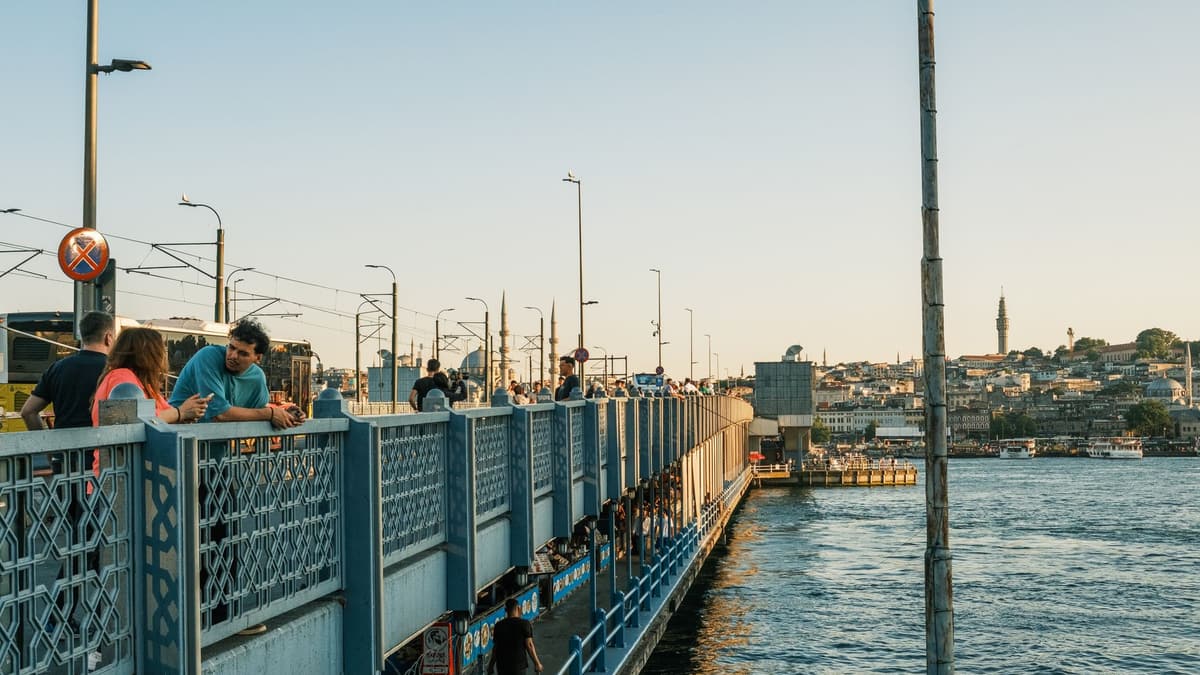
The Galata Bridge
Stop halfway across the Galata Bridge and the whole crossing makes sense: the old city's skyline of domes and minarets behind you, the houses of Galata climbing to its tower ahead, and the Golden Horn running beneath your feet, the sheltered inlet that made Istanbul one of the great natural harbors of the world. Anglers line the railings in all weathers, dangling long lines into the current with buckets of small fish at their feet, while ferries and fishing boats cross the water below. The bridge you are standing on opened in the 1990s, one of several built here since the first crossing went up in the 1840s, a lower deck lined with fish restaurants under the roadway.
Get the Audio Tour in 3 Simple Steps
All in the free Walk With Me app, and the first stops of every tour are free to try.
Tap the Gold Headphones and Pick a Tour


01
Walk It Solo or Invite Someone


02
Press Play and Walk


03
Handcrafted for Your Time in the City
These tours aren't a checklist of sights. They're made to be walked slowly, headphones on, eyes on the city.
Meditative and Immersive
Each story is told where it happened. The app chimes when you reach a stop, one tap starts the story, and the stretch between stops is yours to take in at your own pace.
Handcrafted With Care
We choose every route and every stop ourselves and shape each story with care, so the time you have in the city goes to the places most worth seeing.
Better With Someone
Every walk is better with someone beside you, so if you can bring a friend, we really hope you do. That's why one purchase covers everyone you invite: they join your tour free.