October 16, 2026 · 7 min read
Passing Dogs on Narrow Sidewalks
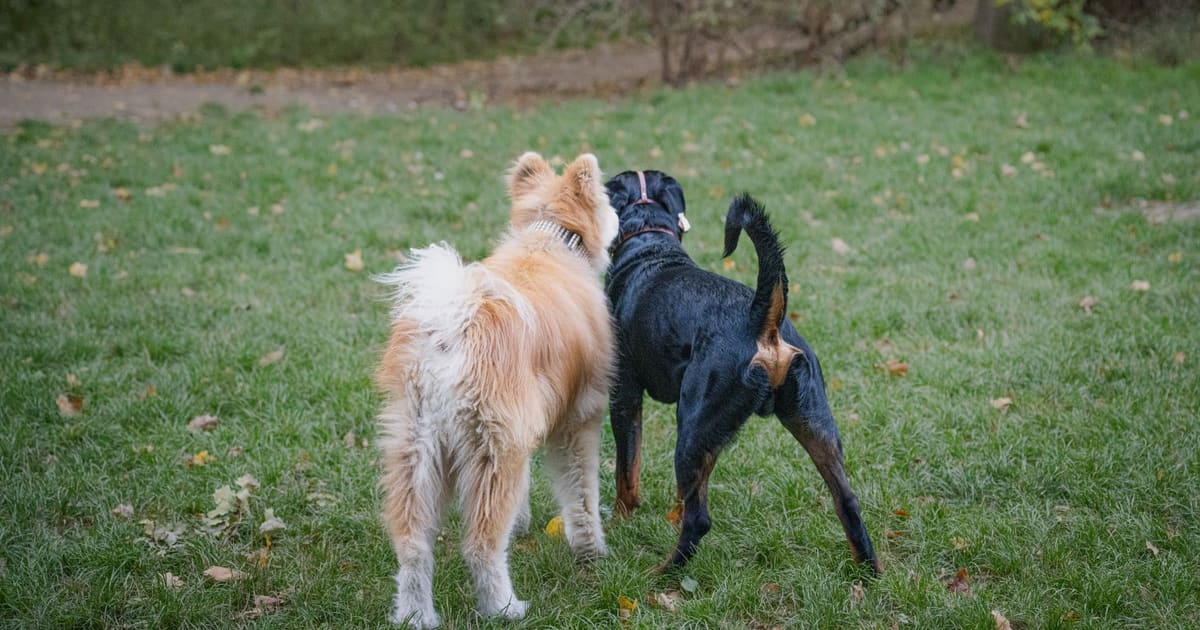
Master dog leash etiquette on narrow sidewalks. Learn spatial tricks, decision rules, and clear communication to pass other dogs without tension.
August 15, 2026 · 7 min read
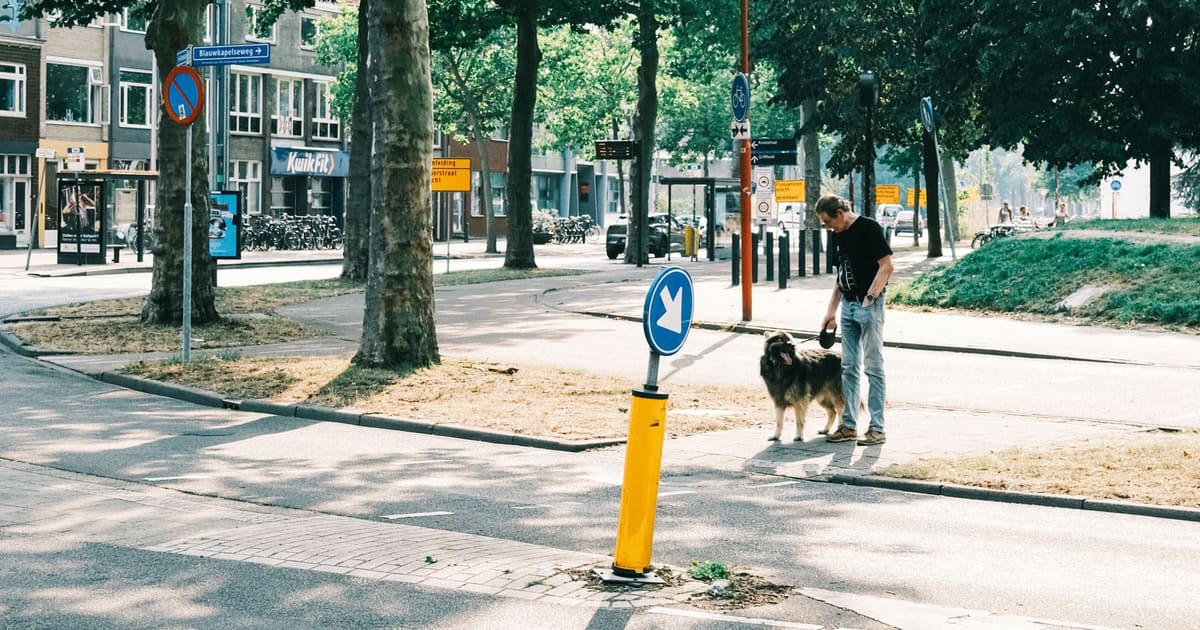
I remember standing behind a parked minivan at 6:30 AM on a freezing Tuesday, desperately holding my breath while a happy golden retriever trotted past on the opposite sidewalk. My own dog was vibrating with tense, explosive energy, ready to bark his head off if he caught even a glimpse of that tail. If you've ever felt your stomach drop when you see another pet owner approaching, you're not alone. Daily outings should be fun, but walking a reactive dog often feels like a high-stakes tactical mission instead of a relaxing stroll. If you want to coordinate quieter paths with other owners or find the best times to head out, checking out our comprehensive guide to the dog walking app experience is a great place to start.
Let's get one thing straight right away. Reactivity isn't aggression. When you're walking a reactive dog, your pup is simply overreacting to normal everyday stimuli. It could be another dog, a bicycle, a trash can, or a person wearing a floppy hat. Your dog's brain goes into overdrive. They might bark, lunge, growl, or spin like a top. It looks scary to onlookers. It feels embarrassing to you. But in reality, your dog is just overwhelmed. They're flooded with big emotions, usually fear or frustration, and they don't know how to handle them.
I always tell people to consult a certified professional canine behaviorist or a vet before trying to fix everything on their own. A vet can rule out pain or underlying health issues that make a dog grumpy. A trainer can give you a personalized plan. But while you're working on the big picture, you still have to go outside today. You still have to get those steps in. Let's talk about how to make those daily trips survivable, and maybe even peaceful.
This week, your mission is to find your dog's threshold. What is a threshold? It's the exact distance at which your dog notices a trigger but doesn't explode.
For some dogs, it's 50 feet. For others, it's the length of a football field. You need to know this number. Take a notepad or use your phone to jot down your observations during your next few walks. When you see another dog, don't wait for the bark. Watch your dog's ears, tail, and posture. Did they freeze? Did their tail go stiff? Measure that distance in your head. You can use car lengths or light poles as a visual guide. That's your boundary.
Once you know the distance, your job is to defend it. If your dog's threshold is 30 feet, you must stay 31 feet away from other dogs. It sounds simple, but it requires constant scanning. You have to become a radar dish. Look down side streets. Peek around corners. If you see a trigger approaching, change direction before your dog notices. Don't try to push through it. Pushing through only teaches your dog that their fears are justified. Keep the distance wide, reward them with high-value treats like freeze-dried liver or hot dogs when they look at the trigger and look back at you, and keep moving.
If you walk your dog at 5:30 PM on a sunny Tuesday, you're going to run into every dog, kid, and lawnmower in the neighborhood. That's a recipe for disaster.
Instead, change your clock. This week, try waking up 45 minutes earlier. Or go out later in the evening after the post-work rush has cleared. I know it's hard to drag yourself out of bed at 6:00 AM when it's cold and dark. But the peace of an empty street is worth every lost minute of sleep.
You can also look for unconventional locations. Industrial parks on weekends are beautifully quiet. Empty school parking lots during weekends or breaks are fantastic. Office parks after 6:00 PM are usually completely deserted. These places offer wide open spaces, flat asphalt, and zero trigger surprises. It might feel strange to walk your dog in front of an empty warehouse, but your peace of mind is worth the odd looks.
What happens when a dog suddenly steps out from behind a hedge right in front of you? You need a getaway plan.
Don't pull back on the leash and drag your dog away. That adds tension. Instead, teach an emergency U-turn. You can practice this in your hallway or living room first. Walk forward, say a fun cue like "Let's go!" or "Turn around!" in a cheerful voice, spin 180 degrees, and run a few steps in the opposite direction. When your dog follows you, shower them with treats.
Practice this twenty times inside your house this week. Then try it in your backyard. Then try it on a quiet sidewalk with no distractions. You want this movement to be an automatic muscle memory for your dog. When a real emergency happens, you can use your cue, spin, and jog away before your dog even has time to process the trigger. It keeps the leash loose and keeps the mood light.
We all make mistakes. I've made plenty of them. But when you're walking a reactive dog, some common habits can actually make the behavior worse over time.
First, don't tighten the leash. When you see another dog, your natural instinct is to pull your dog close and hold the leash tight. Your dog feels that tension instantly. To them, a tight leash means "Something dangerous is coming, prepare to fight." Keep the leash loose but secure. Give them room to move, and use your body to block their view if needed.
Second, never punish the growl. A growl is your dog's way of saying "I am uncomfortable." If you punish the growl, you don't cure the fear. You just remove the warning signal. The next time your dog gets pushed past their limit, they might bite without warning because you taught them that growling is bad. Thank them for the warning, create distance, and breathe.
Third, don't use retractable leashes. Just don't. They give you zero control, they can snap, and they keep constant tension on the collar. A standard six-foot leather or nylon leash is your best friend. It gives you precise control and lets you communicate clearly with your pup.
Finally, avoid the "stop and stare" trap. Many owners let their dog freeze and stare at another dog, thinking they're being good because they aren't barking yet. But that stare is actually your dog building up pressure. Break the stare early by throwing a treat on the ground or doing your U-turn before the pressure boils over.
This is hard work. You'll have bad days where you cry in the kitchen after a walk. That's completely normal, so don't let one bad reaction ruin your week.
You might think a social walking app is the last thing you need when you have a reactive pup. But actually, we built Walk With Me with flexibility in mind.
When you use Walk With Me, you can see scheduled walks on the map. If you see someone has scheduled a dog walk with a pink paw marker right on your usual route, you can easily plan to go somewhere else or adjust your timing. You can even set up your own walk, mark it as a dog walk, and put a note in the description letting people know your dog needs space. It's a simple way to coordinate with your neighbors so everyone gets a peaceful walk. If you want to try it out, Walk With Me is free on the App Store and Google Play. Grab a bag of treats, download the app, and let's make your next walk a little easier.
October 16, 2026 · 7 min read
Master dog leash etiquette on narrow sidewalks. Learn spatial tricks, decision rules, and clear communication to pass other dogs without tension.
October 7, 2026 · 6 min read
Wondering where to walk your dog for healthy joints and safe paws? We compare grass, dirt, and concrete across heat, shock absorption, and daily wear.
September 27, 2026 · 8 min read
Learn how to use a dog walking app to find local pack walks, coordinate safe parallel walks, and build a social routine for your pup.