October 2, 2026 · 6 min read
Geo Guessing Tips to Win More Rounds
My best Geo Guessing tips: read the photo before the map, spend the weekly hint on the right round, and post photos people love to guess.
657

October 1, 2026 · 8 min read
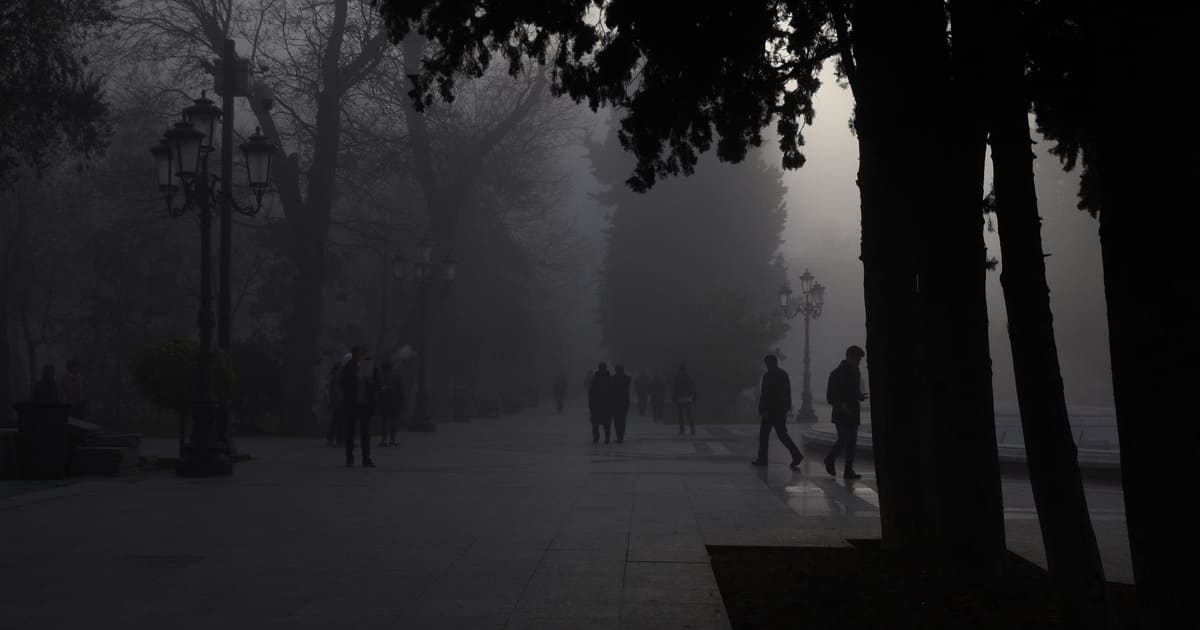
If you've played a strategy game, you know the feeling. The map starts dark, and every step your scout takes peels back a little of it. Fog of war walking brings that feeling to real streets: your neighbourhood starts hidden, and only the places you've walked are lit up. It sounds like a gimmick until you try it, and then you find yourself taking a detour down a lane you've ignored for six years, just to clear the last dark corner of the map. This post covers why the idea works so well, how to explore with a plan, and how the territory game in Walk With Me adds a layer most fog apps skip: claiming ground. For other ways to make a walk playful, see our walking games guide.
Most people walk the same few routes. Home to shop, home to park, home to station. Routine is efficient, which is exactly why it gets boring: after the hundredth time down the same road, you stop seeing it.
A fog map makes your routine visible. After a week, you can see the three thin lines you always walk, surrounded by darkness, and that picture is oddly hard to ignore. The streets two blocks over have been there the whole time. You've just never been down them.
It also scratches a completionist itch. A 90% cleared area is far more annoying than a 20% one. That last dark patch behind the school becomes a small mission, and small missions are what get you out the door on a grey evening.
You can wander and let the fog clear however it clears. But a little method makes it more fun and covers more ground.
Spiral out from home. Start with the streets closest to your door and work outward in rings. Each walk pushes the edge of your known map a little further, and you always have a short route home.
Hunt the dead ends. Cul-de-sacs, alleys and footpaths are where the fog survives longest, because no route ever passes through them. Make a walk specifically about mopping them up.
Use the grid. In areas with parallel streets, walk them like mowing a lawn: up one, down the next. It's the fastest way to clear a big block.
Follow the edges. Rivers, railways and park boundaries often have paths alongside them that nobody walks. They clear long strips of fog in one go.
Save a wild card. Once a week, pick the darkest patch you can reach and walk straight to it. You'll find things. A bakery, a mural, a shortcut you'll use for years.
You don't need any software for this. Print a map of your area, or draw a rough one, and highlight every street you walk. Pin it on the fridge. Kids especially love this version, because they can see the colour spreading.
The paper version has a hidden advantage: it makes you remember the walk. Tracing the street with a highlighter when you get home is a nice little ritual, and it's surprising how clearly you recall each road while you do it.
The downside is obvious. It's easy to forget, and there's no score beyond "how much is coloured in." That's where an app helps.
There are a handful of fog of war walking apps around, and some have been going for years. They're good fun, but a few things are worth thinking about before you pick one.
Background tracking. Some fog apps record your location all day, even when you're not walking, so the fog clears on every errand. That's convenient, but it means an app knows everywhere you go, all the time. Decide whether you're comfortable with that.
Battery. Constant location tracking costs battery. Apps that only track during a walk you've started are much lighter.
Nothing to do once it's clear. A fog map is a one-time game. Once your area is uncovered, there's not much reason to go back. The best versions give you a reason to keep walking the streets you've already found.
The territory game is our take on this, and it's built around those trade-offs.
The world is divided into hexagons, each a few city blocks across. In territory mode, your map shows the hexagons around you in shadow. When you're on a live walk, one you start or join in the app, the shadow clears around you as you go, and the streets beneath come back in their true colours. The width of the cleared path is wider on Premium and Power Walker. Live walks you hosted before you started playing count too: their recorded routes clear the fog the first time you open the game.
The game only tracks you on live walks. Nothing clears in the background, and the app doesn't follow you around between walks. A walk you start is a walk you're playing; the rest of your day is yours.
Once you've cleared most of a hexagon, around 80% of it, you've discovered it, and you can see its price. This is the second layer, and it's what keeps the game going after the fog is gone.
Every step you take inside a hexagon on a live walk goes into your own bank for that hexagon, and the bank carries over from walk to walk. An unclaimed hexagon costs 4,000 steps. When your bank reaches the price, you can claim it on the spot, or keep walking and lock in a higher number when the walk ends.
The price you set is the steps you spent. Claim a hexagon with 6,500 steps banked and the next person needs to bank more than 6,500 to take it from you. So claiming with a big walk makes your ground harder to steal. You defend a hexagon by walking it again and claiming it at your new, higher bank.
You don't have to do it alone. Friends on the same live walk, each standing in the hexagon, can combine their steps toward a claim. If you're a little short, you can cover the gap with Social Steps, at four Social Steps per claim step, though you still have to be there on a live walk to claim. A claim topped up that way doesn't raise the price.
Ground you don't walk slowly loses its value. A price holds for 30 days after the last claim, then drifts down a little each week toward the 4,000 base, so an abandoned empire becomes cheap to take.
On the map, your own hexagons show in a deep green, other people's in purple. Tap any hexagon to see who holds it, its price, its history, and how your own bank compares.
Pure fog games reward going somewhere new. Claiming rewards coming back. Put together, you end up with a mix of both: new streets to uncover, and familiar ones to hold. Your daily walk to the shop is suddenly defending a border.
Start with the dark patch nearest your front door. And if you'd like to see your own neighbourhood come out of the shadow, Walk With Me is free on iOS and Android.
October 2, 2026 · 6 min read
My best Geo Guessing tips: read the photo before the map, spend the weekly hint on the right round, and post photos people love to guess.
October 2, 2026 · 7 min read
GPS Doodle is coming to Walk With Me. My tips for a higher match score: choosing the shape and the streets, sizing it right and walking every corner.

October 2, 2026 · 7 min read
Mystery Destination is coming to Walk With Me. My tips for solving it faster: reading the compass, trusting the warmth bands and choosing where to start.