
San Jose Walking Tour: Downtown from the Pueblo to SoFA
Choose how you'll do this walk in our app

 Friends walk free
Every tour also runs as a scheduled group walk you can join in the app.
See the San Jose audio tour page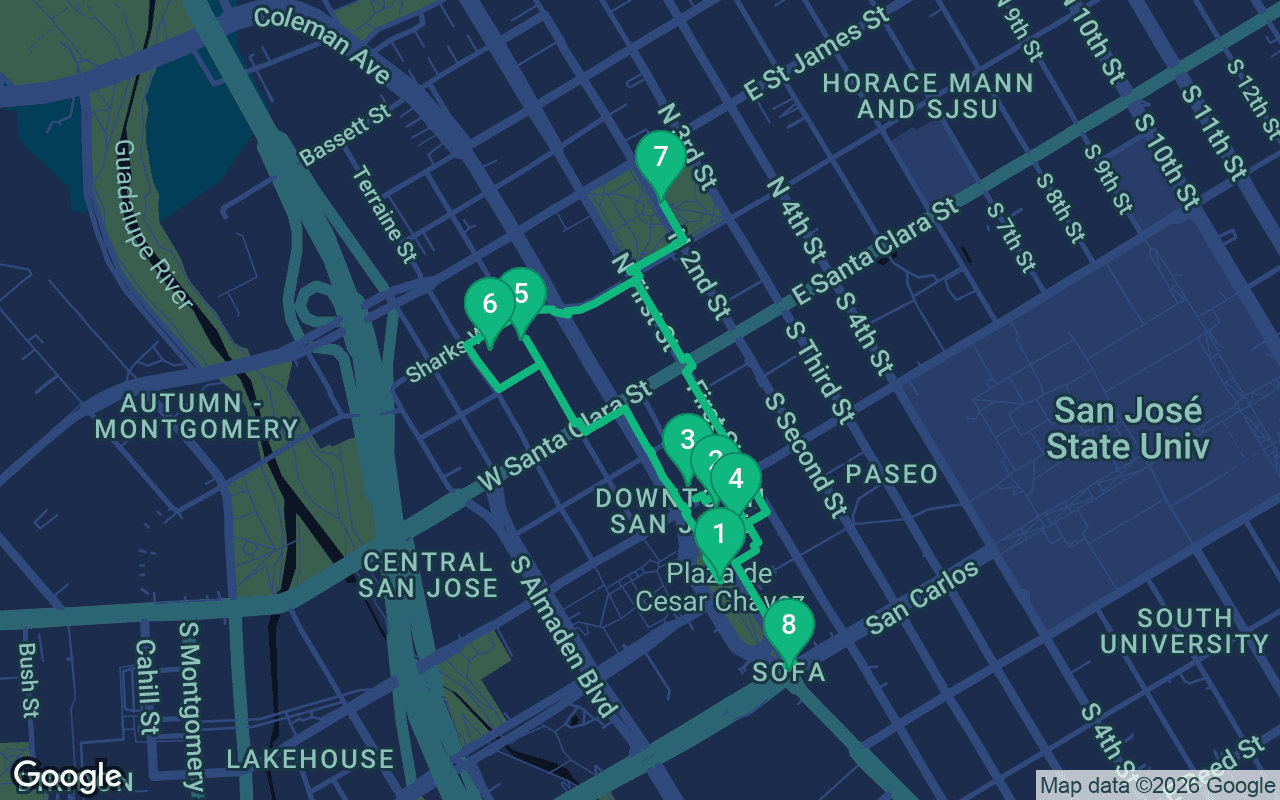
About 2 km, roughly 29 minutes at an easy pace.
- 1St. James Park
- 2San Pedro Square
- 3Peralta Adobe
- 4Cathedral Basilica of St. JosephFull tour
- 5San Jose Museum of Art~$20 · optionalOptional entry ticket, not includedFull tour
- 6Circle of PalmsFull tour
- 7Plaza de Cesar ChavezFull tour
- 8SoFA DistrictFull tour
Not included in the tour: ~$20 entry (optional)Average per person. Prices change, so check before you go.
This tour is narrated
Press play on the first 3 stops for a 30-second demo of the narration. In the app, the intro and those 3 stops play in full for free, each one chiming as you arrive. The whole narrated tour is yours for $6.99, a one-time purchase you keep for good.
Works with Garmin, Komoot, Strava, OS Maps and any GPX app.
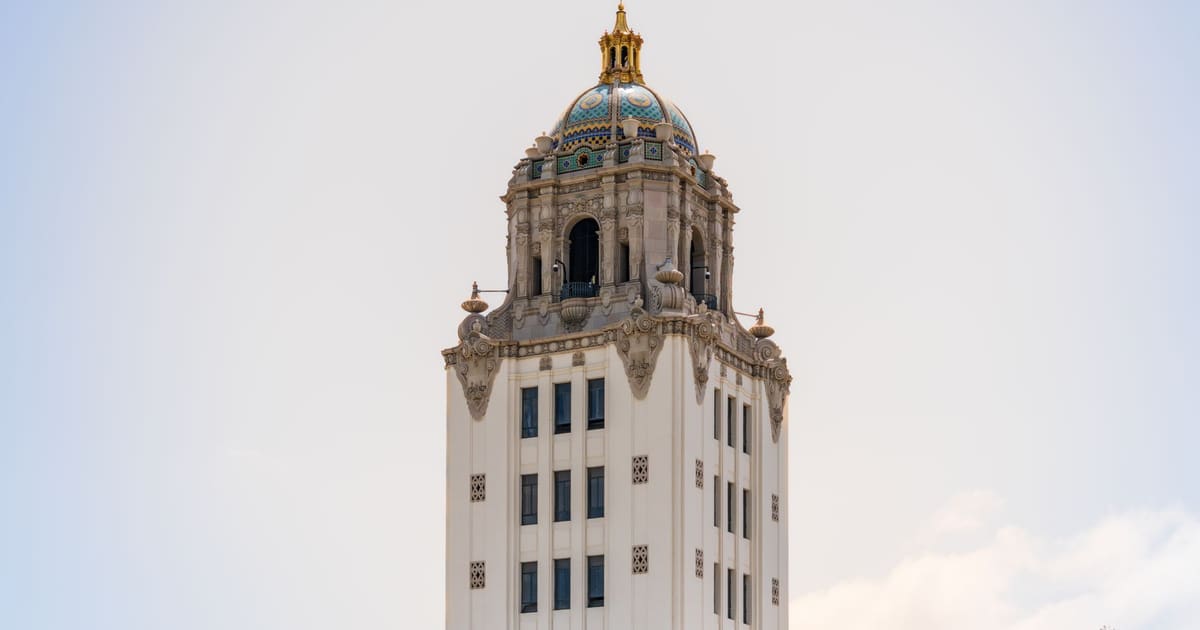
San Jose is the biggest city in Silicon Valley, but long before the chips and the campuses it was a small Spanish farming town, the first civilian settlement in California, founded in 1777. That older city is still here downtown if you know where to look: a mud-brick house from the 1790s, a cathedral on the site of the town's first church, and a ring of palms where California's first state legislature met. This walk starts in leafy St. James Park, visits the restaurants of San Pedro Square and the Peralta Adobe, crosses to the cathedral and the art museum, and finishes in the theaters and murals of the SoFA district. It is about two kilometers, a mile and a quarter, and one of the easiest self-guided walking tours in the Bay Area, flat and compact from start to finish.
Before you set off
Allow about an hour and a half at a relaxed pace, longer if you stop to eat at San Pedro Square or spend time in the cathedral or the museum. The route is completely flat and paved, so any comfortable shoes will do. San Jose is sunny and can be hot in summer, and the plazas have patches of shade but not much, so bring water, a hat and sunscreen in the warmer months. Late afternoon is a pleasant time to walk, when the heat eases and the restaurants start to fill; the SoFA district comes alive in the evening. Light rail trains run along First and Second Streets in the heart of downtown, so watch for them when you cross. The Peralta Adobe, the cathedral and the San Jose Museum of Art each keep their own hours, and the museum charges for entry, so check before you go if you want to see inside. The whole route is short enough that you can easily loop back to the start for a meal.
St. James Park
Stand in the middle of the park, under the big old trees, and look around at the buildings on its edges. This square was set aside as a public park in 1848, when the town was first surveyed for American settlement, and for decades it was the center of civic life in San Jose. On the west side, along First Street, stands the old county courthouse, a grand building with tall columns that opened in the 1860s and lost its dome to a fire in 1931. Near the southern edge of the park, by Second Street, look for a small wooden church with a pointed steeple. That is Trinity Cathedral, an Episcopal church from the 1860s and one of the oldest church buildings in the city. Find the statue of President William McKinley in the park. He spoke here in May 1901, and when he was assassinated a few months later, the city raised this monument to him. The park also holds a darker memory. In 1933, after the kidnapping and murder of a young man from a well-known local family, a mob dragged two suspects from the county jail across the street and hanged them from trees in this park, and the governor of California publicly approved. It remains one of the darkest days in the city's history. Now walk to the southwest corner of the park and follow St. John Street west, across First Street and Market Street, to San Pedro Street, about six minutes.
San Pedro Square
You are in San Pedro Square, the most lively corner of downtown, where the city comes to eat and drink. Look around at the old brick and stucco buildings, many of them from the late 1800s, which now hold bars, restaurants and cafes with tables spilling out onto the sidewalk. On warm evenings, part of the street is closed to cars and filled with outdoor seating. The centerpiece is the San Pedro Square Market, a food hall in a group of old buildings, with stalls selling everything from tacos and pizza to craft beer, around a shared courtyard where people eat at long tables and listen to live music. It opened in the 2010s, and it helped bring life back to a part of downtown that had grown quiet. Look across the street at a two-story Victorian house with a porch. That is the Fallon House, built in the 1850s for Thomas Fallon, who raised the American flag over San Jose in 1846, during the war with Mexico, and later served as the city's mayor. The house shows how quickly this Spanish and Mexican town became American. Now turn and look for a small, low building with thick walls and a tiled roof, tucked right beside the market, only a few steps away.
Peralta Adobe
 Stand in front of the Peralta Adobe and look at how small and simple it is. This little house, with walls of sun-dried mud brick and a roof of clay tiles, is the oldest building in San Jose, and the last one left from the Spanish pueblo. It was built in the late 1790s, at about the time the town moved to this site from a spot by the river that kept flooding. In those days San Jose was a tiny farming village of a few dozen families, growing wheat and raising cattle to feed the soldiers at the presidios of San Francisco and Monterey. The house is named after Luis Maria Peralta, who had come to California as a young soldier with the Spanish expedition that founded San Francisco. He later served as the town's commissioner, and he was granted an enormous ranch across the bay, land that is now covered by the cities of Oakland and Berkeley. He lived here in this modest house all the same. The building has been restored, and the yard sometimes has displays of tools and crafts from the period. It is a quiet spot, with the noise of the bars and restaurants just a few steps away. Now walk south down San Pedro Street to Santa Clara Street, turn left and walk east to Market Street, then turn right and follow Market Street south to San Fernando Street, about seven minutes.
The full tour continues in the app
- Distance
- 2 km
- Walking
- 29 min
- Steps
- ~2,800
- Narration
- 15 min
What's included
- All 8 stops, fully narrated
- Works offline once downloaded in the app
- Friends walk free one purchase covers everyone on your walk
Our tours are made to be meditative and immersive: you keep moving and simply listen. They're always better together, and the app plays the narration in sync, so you, your partner and your friends hear every stop at the same moment.
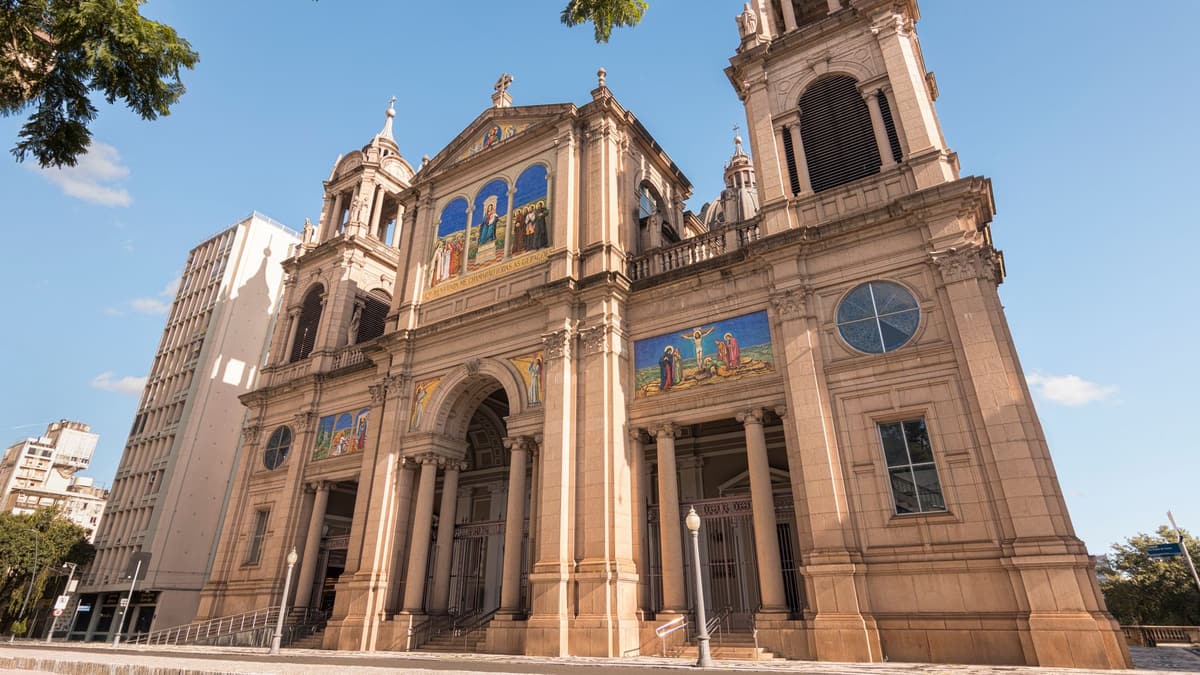
Cathedral Basilica of St. Joseph
Stand across the street from the cathedral and look up at its twin bell towers and its great central dome.
The rest of this stop is in the full audio tour.
San Jose Museum of Art
You are standing in front of the San Jose Museum of Art, and the first thing to notice is that it is really two buildings joined together.
The rest of this stop is in the full audio tour.
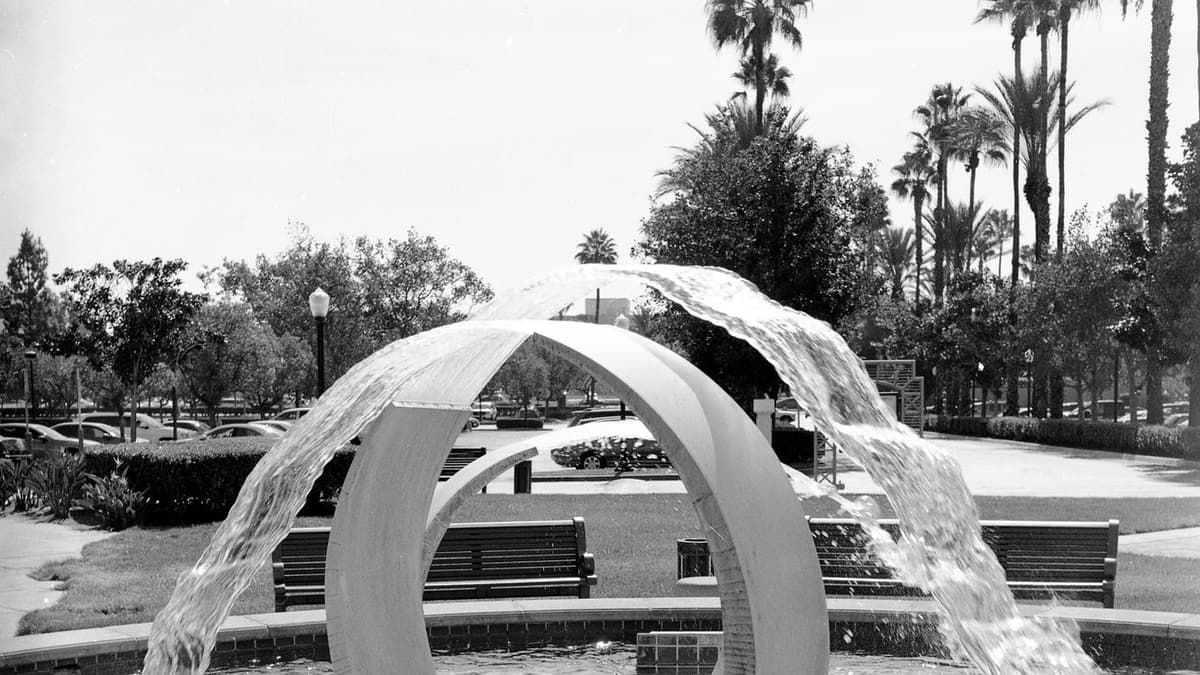
Circle of Palms
Step into the Circle of Palms, a round paved plaza ringed by tall palm trees, and look for the historical marker here. It records an important moment.
The rest of this stop is in the full audio tour.
Plaza de Cesar Chavez
You are in Plaza de Cesar Chavez, a long, green park in the middle of downtown, and the oldest public space in San Jose.
The rest of this stop is in the full audio tour.
SoFA District
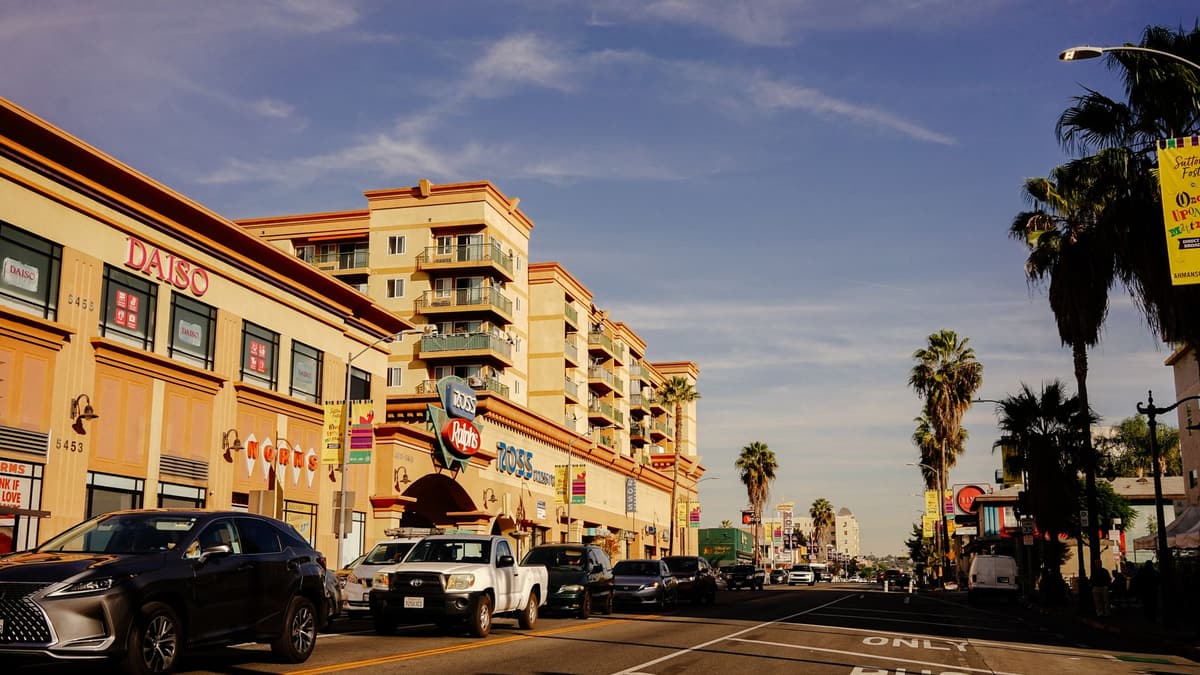
You have reached the SoFA District, the name taken from South of First Area, and the creative heart of downtown San Jose. Look along the street at the theaters, galleries, bars and music clubs, and at the colorful murals painted on many of the walls.
The rest of this stop is in the full audio tour.
Do this walk with other people on the next scheduled tour.
About 2 km, roughly 29 minutes at an easy pace · 8 stops
Friends walk free