October 16, 2026 · 7 min read
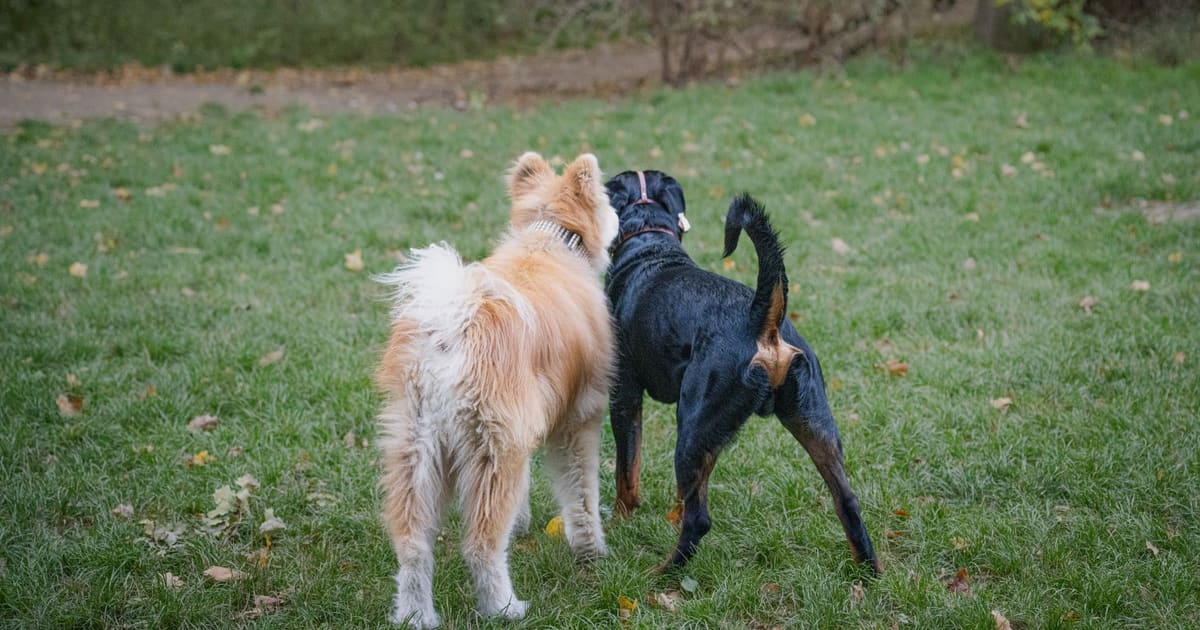
Passing Dogs on Narrow Sidewalks
Master dog leash etiquette on narrow sidewalks. Learn spatial tricks, decision rules, and clear communication to pass other dogs without tension.
August 25, 2026 · 8 min read
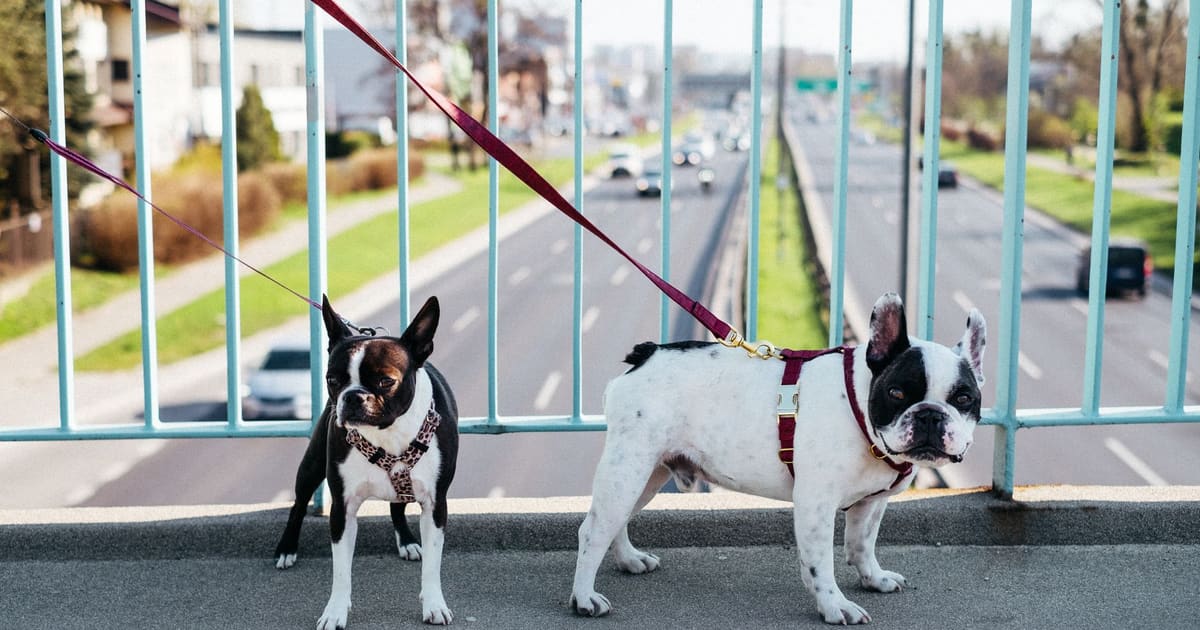
Is it safe to take your pup outside right now, or are you putting them in danger? The honest answer is that you are probably worrying about the wrong things, like the air temperature alone, while ignoring the real hazards under their paws. When I built our dog walking app, safety was the first thing on my mind, and that includes protecting your dog when walking dog in hot weather or freezing winter storms. You want to keep your best friend healthy, and you want to do it without turning every walk into a stressful chore. Here is how I handle the extreme seasons with my own dog, using simple, real-world rules that keep us both safe and happy.
Let's start with the heat because summer is when things get dangerous fast. Most people look at the thermometer on their wall or their phone, see 82 degrees, and think nothing of it. But dogs do not sweat like us. They rely on panting and the heat exchange through their paw pads to cool down. This means air temperature is only half the story. The other half is humidity.
To make a smart decision every single day, I use what I call the 150 Rule. It is a simple piece of math that removes the guesswork. You take the air temperature in Fahrenheit and add the relative humidity percentage. If the air temperature is 80 degrees and the humidity is 75 percent, your sum is 155.
What does that number mean?
If the sum is under 150, you are generally in the clear. You can go for your normal walk, keep an eye on your dog, and bring some water.
If the sum is between 150 and 180, you need to exercise caution. This is the yellow zone. Cut the walk length in half, stick to the shade, and walk at a slower pace.
If the sum is over 180, do not go. It is that simple. The air is too heavy with moisture for your dog to cool themselves through panting. Their body simply cannot dump the heat. On these days, your dog is at high risk of heat exhaustion within fifteen minutes. Keep them inside, play some indoor brain games, and wait for the sun to set.
I like this rule because it is objective. It stops you from saying, "Well, it feels okay to me." Your skin evaporates sweat incredibly well compared to a dog's furry coat. The 150 Rule keeps you honest.
So the air is decent, but what about the ground? This is where many owners make a painful mistake. Asphalt acts like a giant solar radiator. It absorbs heat all day long and holds onto it, getting much hotter than the surrounding air. On an 85-degree day, the asphalt in direct sunlight can easily reach 130 degrees. That is hot enough to cause second-degree burns on your dog's paws in sixty seconds.
How do you test this without a fancy infrared thermometer? You use your own hand.
Find the exact surface you plan to walk on. It could be asphalt, concrete, or even packed dirt. Place the back of your bare hand flat against the surface. Now, hold it there and count to seven.
One Mississippi, two Mississippi, three Mississippi, four Mississippi, five Mississippi, six Mississippi, seven Mississippi.
If you have to pull your hand away before you hit seven because it is too hot, it is too hot for your dog. Do not make them walk on it. Their paw pads are tough, but they are not made of stone. Walking on hot pavement can turn their paw pads into dry toast, causing painful blisters that take weeks to heal.
If you must go out when the pavement fails the test, you have to change your route. Stick entirely to the grass. Walk on the shady side of the street where the sun has not been baking the asphalt for six hours. Or, buy a pair of quality dog booties, though many dogs absolutely hate wearing them and will spend the first ten minutes kicking like a confused horse.
Sometimes you just need to get them out to do their business, and that is completely fine. Do not feel guilty about doing a five-minute loop just for bathroom breaks during extreme heat or cold. Your dog will not lose their fitness from a few short days, and keeping them safe inside is always better than pushing through a dangerous mile.
Cold weather brings an entirely different set of challenges. People often think that because dogs have fur, they are impervious to the cold. While some breeds like Huskies thrive in the snow, most companion dogs feel the chill just as much as we do.
The biggest danger in winter is not the snow itself. It is the chemical de-icers and salt that people spread on sidewalks. This salt gets lodged between your dog's toes. As they walk, the salt rubs against their skin, causing chemical burns and deep, painful cracks. Even worse, when you get home, your dog will naturally lick their paws to clean them, swallowing toxic chemicals.
Here is your winter paw care routine to prevent this:
First, apply a thin layer of pet-safe paw wax before you step outside. This acts as an invisible shield against the salt and ice.
Second, keep a warm, damp towel by the front door. The very second you walk back inside, wipe down their paws thoroughly. Pay close attention to the spaces between their toes. You want to get all that gray slush and salt off before they have a chance to lick it.
Third, keep the hair between their paw pads trimmed. If your dog has long hair, snow and ice will cling to those tufts, freezing into hard ice balls that stretch the toes apart and cause limping. A quick trim with some safety scissors makes a massive difference.
Dogs are incredibly loyal. Often, they will keep walking right next to you even if they are in pain or overheating, simply because they want to please you. You have to be the advocate who knows when to call it quits.
For hot weather, watch for heavy, frantic panting where the tongue is fully extended and curling up at the edges. This is a sign that your dog is struggling to cool down. Other signs include dark red gums, drooling, lagging behind, or staring ahead with a glazed look in their eyes. If you see any of these, find shade immediately, pour cool water over their body, and let them rest. Do not use ice-cold water, as this can cause their blood vessels to constrict and trap the heat inside their core.
For cold weather, the signs are often quieter. Shivering is the obvious one. If your dog is shivering, the walk is over. You might also notice them lifting one paw off the ground repeatedly, or stopping and refusing to walk. This usually means their feet are freezing or they have ice buildup between their toes. Respect their signal and head back to the warmth.
If you want to survive the summer months without driving yourself crazy, you have to adjust your clock. Walking your dog at noon is a recipe for disaster. The sun is at its peak, the asphalt has been soaking up heat for hours, and the air is stagnant.
Instead, look for what I call the twilight windows.
The first window is early morning, right as the sun is coming up. This is by far the safest time to walk your dog in hot weather. The ground has had all night to cool down, the air is at its freshest, and the humidity, while sometimes high, is paired with much lower temperatures. A 6:30 AM walk might require waking up a bit earlier, but the peace of mind is worth every lost minute of sleep.
The second window is late evening, well after the sun has dipped below the horizon. Be careful here, though. Just because the sun is gone does not mean the ground is cool. Asphalt retains heat like a brick oven. Even at 8 PM, the street can still be radiating heat from the afternoon sun. Use the seven-second hand test to make sure it is safe before you head out.
Water is your best defense against the elements, but carrying a giant plastic bowl and a gallon jug is a pain. Over the years, I have tried every gadget on the market, and most of them are useless.
Here is what works. Get a collapsible silicone bowl that clips to your leash or belt loop. It takes up zero space and weighs nothing. For the water itself, use an insulated stainless steel bottle filled with cold water and a few ice cubes. Plastic bottles warm up within ten minutes in the summer heat, and dogs do not like drinking warm, plastic-tasting water any more than you do. On a longer walk, it also helps to know where you can top that bottle up, and the water fountain map in Walk With Me shows the nearest drinking fountains around you.
If your dog is picky about drinking on the go, try adding a splash of low-sodium bone broth to the water. The smell of the broth will tempt them to drink even when they are distracted by the sights and smells of the trail. This is especially helpful during long autumn hikes or winter walks when they might not feel thirsty but still need the hydration to keep their muscles working properly.
If you want to connect with other owners who walk during the cooler morning hours, open Walk With Me and look for the pink paw dog walking markers in your area. Let's make sure our pups stay safe and comfortable, no matter what the thermometer says.
October 16, 2026 · 7 min read
Master dog leash etiquette on narrow sidewalks. Learn spatial tricks, decision rules, and clear communication to pass other dogs without tension.
October 7, 2026 · 6 min read
Wondering where to walk your dog for healthy joints and safe paws? We compare grass, dirt, and concrete across heat, shock absorption, and daily wear.
September 27, 2026 · 8 min read
Learn how to use a dog walking app to find local pack walks, coordinate safe parallel walks, and build a social routine for your pup.