
 $14.99Film & Fiction
New York Walking Tour: Lower Manhattan from the Harbor to the Bridge
Choose how you'll do this walk in our app

 Friends walk free
Every tour also runs as a scheduled group walk you can join in the app.
More audio tours in New York City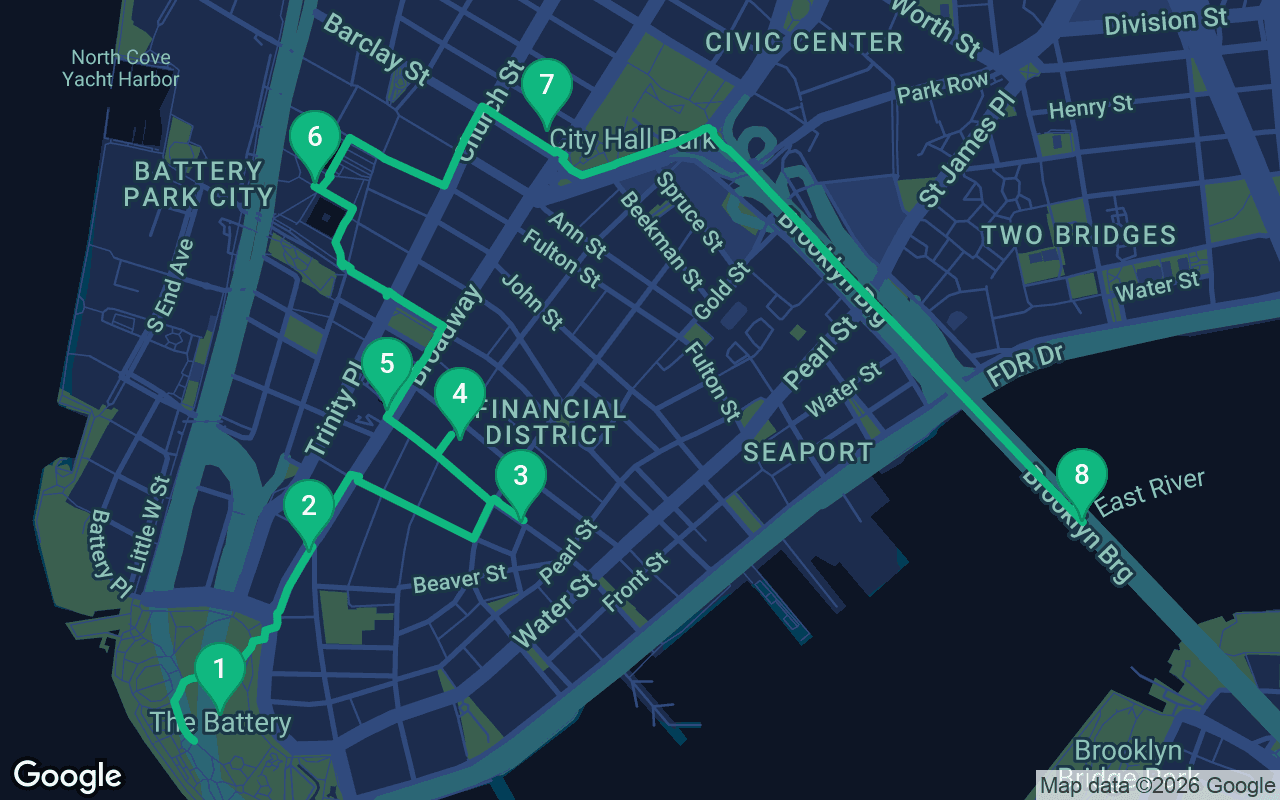
About 2.8 km, roughly 40 minutes at an easy pace.
- 1Battery Park
- 2Charging Bull
- 3Wall Street
- 4Federal HallFull tour
- 5Trinity ChurchFull tour
- 69/11 MemorialFull tour
- 7Woolworth BuildingFull tour
- 8Brooklyn Bridge entranceFull tour
This tour is narrated
Press play on the first 3 stops for a 30-second demo of the narration. In the app, the intro and those 3 stops play in full for free, each one chiming as you arrive. The whole narrated tour is yours for $8.99, a one-time purchase you keep for good.
Works with Garmin, Komoot, Strava, OS Maps and any GPX app.
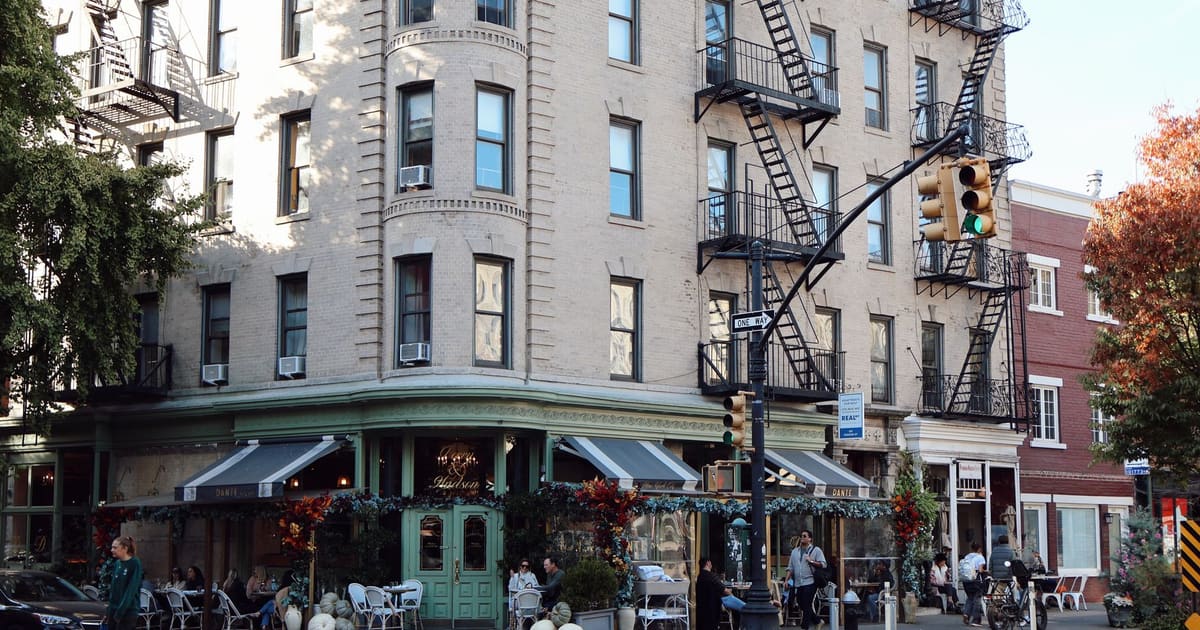
The southern tip of Manhattan is where New York began, as a small Dutch trading post with a fort, a windmill and a wall. Four hundred years later the old street plan is still there under the skyscrapers, crooked and narrow, and walking it is like reading the city's story in order. This walk starts by the harbor in Battery Park, heads up through the Financial District past the bull, the Stock Exchange and the spot where George Washington became president, pauses at the quiet churchyard of Trinity and the memorial pools of the World Trade Center, and finishes at the foot of the Brooklyn Bridge. It is about 2.8 kilometers, a little under two miles, and one of the richest self-guided walking tours you can do in a single morning in New York.
Before you set off
The walking takes about forty minutes, but give yourself two to three hours, because you will want time at the water, in the churchyard and at the memorial. The route is flat and paved, with a few cobbled streets around Wall Street and some uneven sidewalk. Weekday mornings are busy and full of energy, with office workers rushing past; weekends are calmer and better for lingering, though the bull and the memorial draw crowds every day. The tall buildings cast deep shade, so the streets can feel cool and windy even on a sunny day, and the harbor is breezy. The 9/11 Memorial pools are free and open to all; the museum beneath them, the Statue of Liberty ferries and the inside of Federal Hall have their own hours and tickets, so check before you go if you plan to visit them. If you want to walk out on the Brooklyn Bridge at the end, allow another half hour or more.
Battery Park
Walk to the railing along the water and look out over the harbor. Out on the water, small but unmistakable on her island, stands the Statue of Liberty, and a little to her right lies Ellis Island, where millions of immigrants first stepped onto American soil. Ferries crisscross the harbor all day, and on a clear day you can see the hills of Staten Island and the long span of the Verrazzano Bridge in the distance. The park takes its name from the gun batteries that once guarded this shore. Behind you stands the round, red sandstone fort called Castle Clinton, built just before the War of 1812 to defend the harbor. Its later life was even more interesting. It became a concert hall, where the Swedish singer Jenny Lind gave her first American performance in 1850 before a huge crowd. Then, from 1855, it served as the country's main immigration station, years before Ellis Island opened, and millions of new arrivals passed through these walls. Later still it became the city aquarium. Today it is where you buy tickets for the Statue of Liberty boats. The ground you stand on is mostly landfill; the original shoreline ran well behind you. When you are ready, walk northeast through the park toward the busy streets, about five minutes, to a small oval park at the bottom of Broadway.
Charging Bull
You are at Bowling Green, the oldest public park in New York, and at its northern tip stands the bull. It weighs more than three tons, with its head down, nostrils flared and tail whipping, ready to charge. Its story is unusual. The Sicilian-born artist Arturo Di Modica made it at his own expense after the stock market crash of 1987, as a symbol of the strength and optimism of the American people. In December 1989 he and some friends trucked it to Lower Manhattan in the middle of the night and left it in front of the Stock Exchange, without asking anyone. The police removed it the next day, but the public outcry was so loud that the city found it a new home here, where it has stayed ever since. Notice the oval park behind it too. The iron fence around Bowling Green dates from 1771. In July 1776, after the Declaration of Independence was read in New York, a crowd pulled down the gilded lead statue of King George III that stood here, and much of the metal is said to have been melted into musket balls. Facing the park to the south is the grand Custom House, by the architect Cass Gilbert, whose name you will meet again on this walk. Now walk north up Broadway for about four minutes and turn right onto Wall Street, then follow it to the corner of Broad Street.
Wall Street
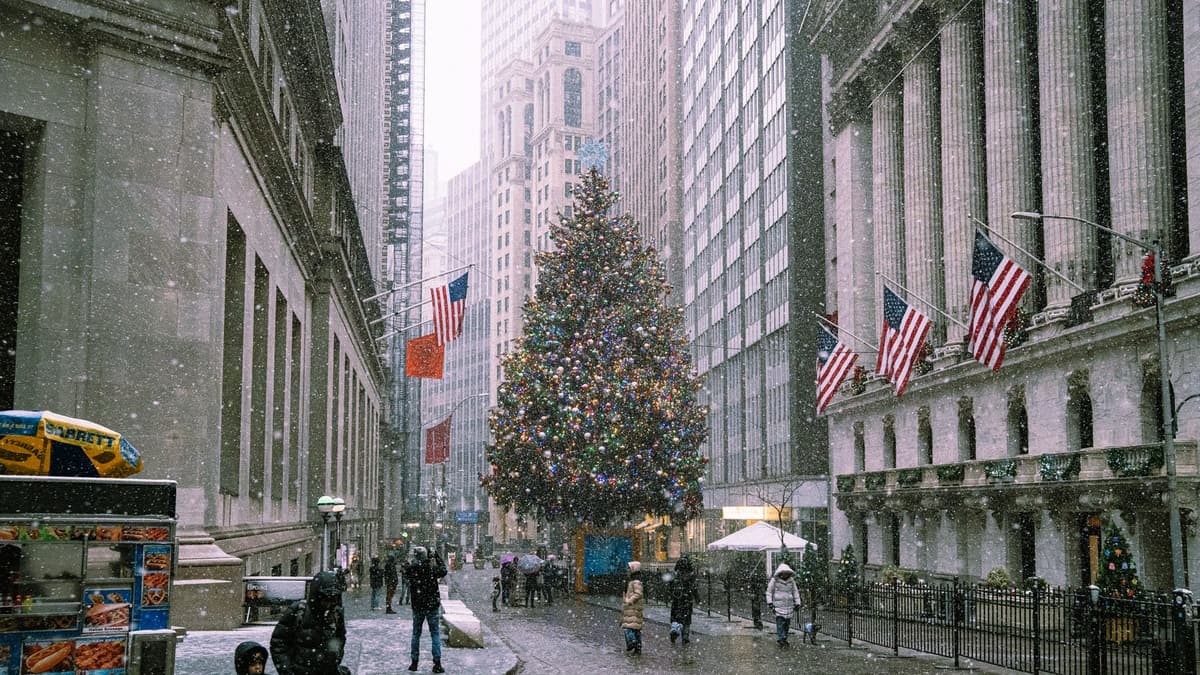
 Stop at the corner of Wall and Broad, and look up at the huge white temple front of the New York Stock Exchange, its six tall columns often draped with an enormous American flag. Wall Street is short and narrow, and the name comes from an actual wall. In the 1650s the Dutch colonists of New Amsterdam built a wooden palisade across the island here, marking the northern edge of their town. The wall was gone by 1699, but the street that ran beside it kept the name. Traders started meeting here in the 1790s, and in 1792 a group of brokers signed an agreement, traditionally said to have been made under a buttonwood tree, that set the rules for trading and grew into the Stock Exchange. Now turn toward the building on the corner opposite the Exchange, a plain, low stone building at 23 Wall Street, once the headquarters of J. P. Morgan's bank. Look closely at its Wall Street wall. The stone is pitted with small scars. On September 16, 1920, a bomb hidden in a horse-drawn wagon exploded right here at lunchtime, killing dozens of people. The case was never solved, and the bank chose to leave the scars in place. Now look across Wall Street to the columned building with the statue on its steps. It is a few steps away.
The full tour continues in the app
- Distance
- 2.8 km
- Walking
- 40 min
- Steps
- ~3,900
- Narration
- 15 min
What's included
- All 8 stops, fully narrated
- Works offline once downloaded in the app
- Friends walk free one purchase covers everyone on your walk
Our tours are made to be meditative and immersive: you keep moving and simply listen. They're always better together, and the app plays the narration in sync, so you, your partner and your friends hear every stop at the same moment.
Federal Hall
Climb a few steps and stand beside the bronze statue of George Washington, his hand stretched out over Wall Street.
The rest of this stop is in the full audio tour.
Trinity Church
You are standing at the head of Wall Street, and in front of you is Trinity Church, its dark brownstone spire rising among towers that dwarf it.
The rest of this stop is in the full audio tour.
9/11 Memorial
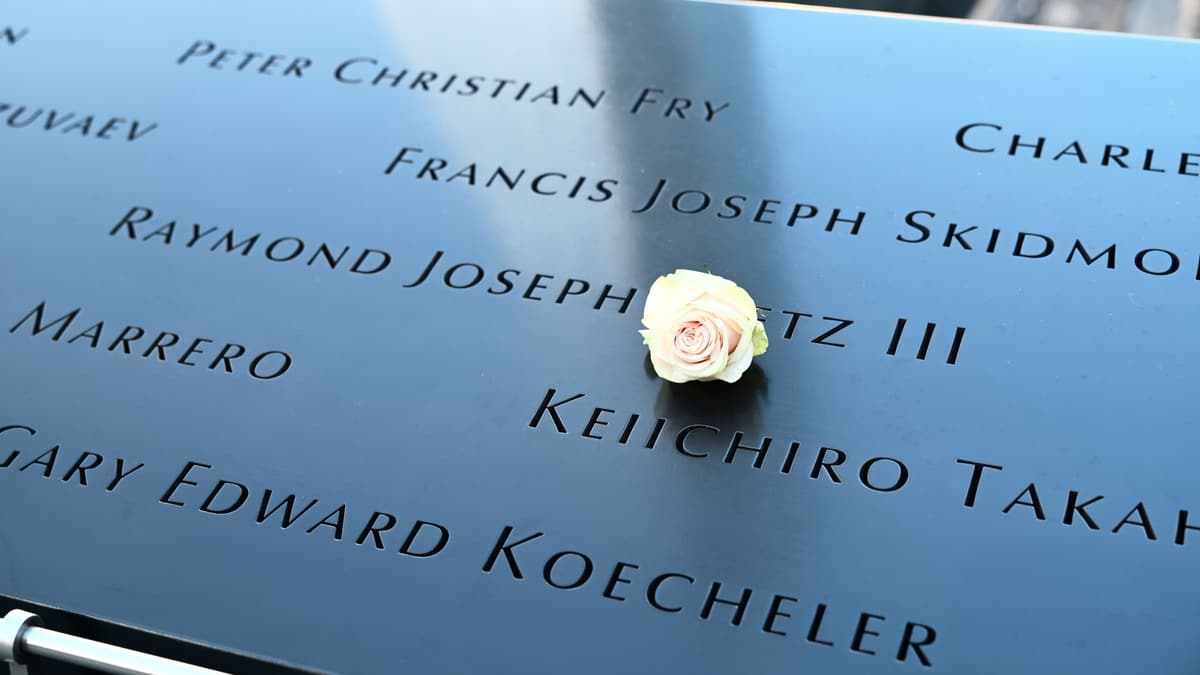
Walk to the edge of the nearest pool and take a moment before you speak. These two great square pools mark the footprints of the Twin Towers of the World Trade Center, which were destroyed in the attacks of September 11, 2001.
The rest of this stop is in the full audio tour.
Woolworth Building
On your way here you passed St. Paul's Chapel, the oldest surviving church building in Manhattan, where Washington prayed after his inauguration, and where rescue workers rested in the months after the attacks.
The rest of this stop is in the full audio tour.
Brooklyn Bridge entrance
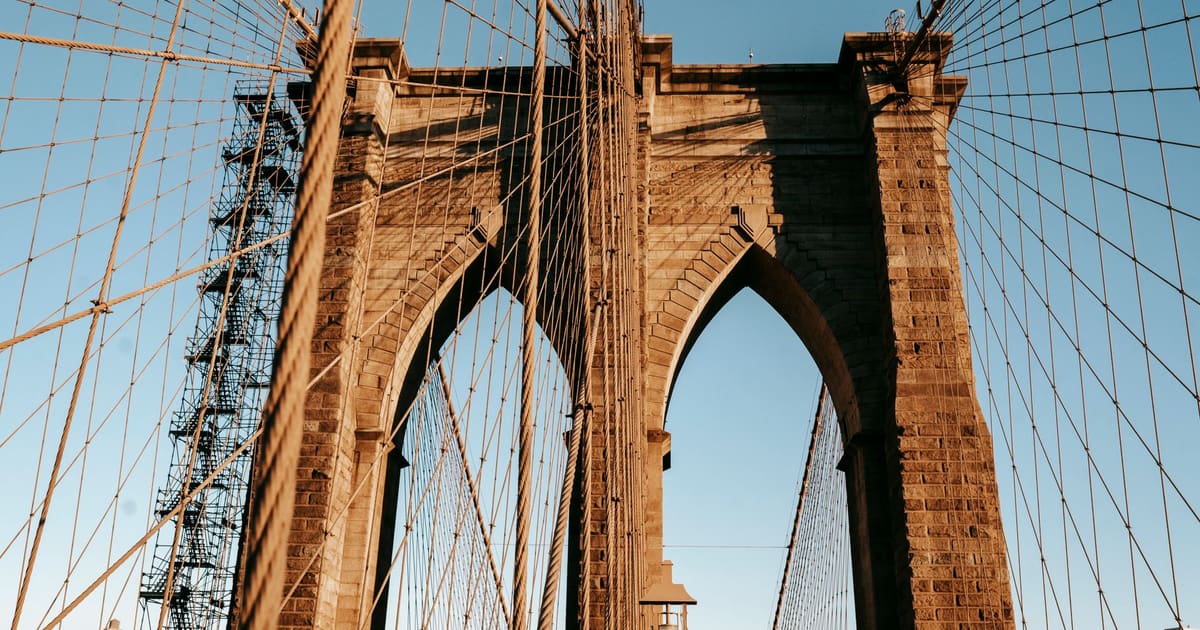
You are at the Manhattan end of the Brooklyn Bridge, and the wooden walkway in front of you climbs gently above the traffic toward the first great stone tower.
The rest of this stop is in the full audio tour.
Do this walk with other people on the next scheduled tour.
About 2.8 km, roughly 40 minutes at an easy pace · 8 stops
Friends walk freeMore audio tours in New York City
$14.99Film & Fiction $16.99Film & Fiction
 $15.99Film & Fiction
 $17.99Film & Fiction
 $14.99Film & Fiction
 $7.99City Highlights
 $9.99City Highlights