
 $17.99Games IRL
London Walking Tour: Royal Parks from Horse Guards to Kensington
Choose how you'll do this walk in our app

 Friends walk free
Every tour also runs as a scheduled group walk you can join in the app.
More audio tours in London
About 5.9 km, roughly 81 minutes at an easy pace.
- 1Horse Guards Parade
- 2St James's Park Blue Bridge
- 3Buckingham Palace~£33 · optionalOptional entry ticket, not included
- 4Wellington Arch~£7 · optionalOptional entry ticket, not includedFull tour
- 5Hyde Park Rose GardenFull tour
- 6Serpentine BoathousesFull tour
- 7Diana Memorial FountainFull tour
- 8Albert MemorialFull tour
- 9Kensington Palace~£24.70 · optionalOptional entry ticket, not includedFull tour
Not included in the tour: ~£64.70 entry (optional)Average per person. Prices change, so check before you go.
This tour is narrated
Press play on the first 3 stops for a 30-second demo of the narration. In the app, the intro and those 3 stops play in full for free, each one chiming as you arrive. The whole narrated tour is yours for $11.99, a one-time purchase you keep for good.
Works with Garmin, Komoot, Strava, OS Maps and any GPX app.
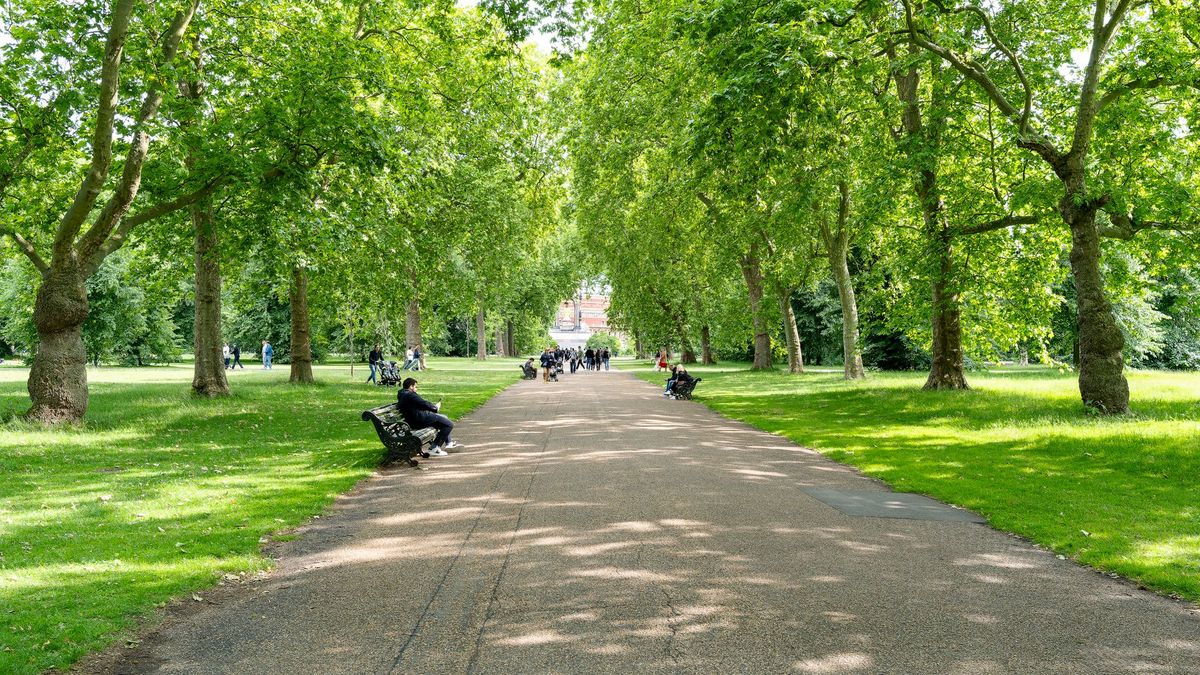
London has a secret that its visitors rarely clock until they try it: you can cross the middle of the city from Whitehall almost to Notting Hill and spend nearly the whole time on grass. This walk strings four royal parks together, St James's Park, Green Park, Hyde Park and Kensington Gardens, starting on the gravel of Horse Guards Parade and ending at the gates of Kensington Palace. It runs about six kilometers, past pelicans, palaces, a triumphal arch, a boating lake and a gilded Victorian prince, and it is one of the greenest self-guided walking tours you will find in any capital. The traffic never quite disappears, but for long stretches it is just a hum behind the trees.
Before you set off
Allow about an hour and a half of steady walking, and closer to three hours if you stop to watch the birds, sit by the Serpentine or go inside either palace. The ground is flat almost all the way, with one gentle rise up Constitution Hill, and the paths are paved or firm gravel, so ordinary comfortable shoes are fine. London weather changes its mind several times a day, so carry a light waterproof whatever the forecast says. Mornings are the calmest time, though if you want to see the Changing of the Guard outside Buckingham Palace, check the schedule before you go, because it does not run every day and the crowds gather well in advance. There are cafes, toilets and drinking water points spread through the parks, and plenty of benches. Shade comes and goes: the avenues of plane trees are cool on a hot day, while the open grass of Hyde Park can be exposed. Kensington Palace and Wellington Arch both charge for entry and set their own hours, so check before you go if you want to see inside.
Horse Guards Parade
You are standing on Horse Guards Parade, the great sweep of gravel between Whitehall and St James's Park. Face the long, pale building with the clock tower in its middle: that is Horse Guards, built in the middle of the eighteenth century to a design by William Kent, and the arch beneath its clock leads through to Whitehall, where mounted sentries of the Household Cavalry keep watch. Long before the soldiers, this ground was Henry the Eighth's tiltyard, where knights jousted for the court at the old Palace of Whitehall. Today it is the stage for Trooping the Colour, the ceremony held each June for the monarch's official birthday, when massed ranks of guards in red tunics and bearskins march across the gravel and the King takes the salute. In 2012 the parade ground was turned into a sand arena for Olympic beach volleyball, which still amuses Londoners. Take a moment to look back at the skyline: the rooftops of Whitehall and, on a clear day, the London Eye peeking over them. Then turn your back on the buildings, cross Horse Guards Road into St James's Park, and follow the paths along the lake, heading west toward the blue bridge in its middle, about eight minutes away.
St James's Park Blue Bridge
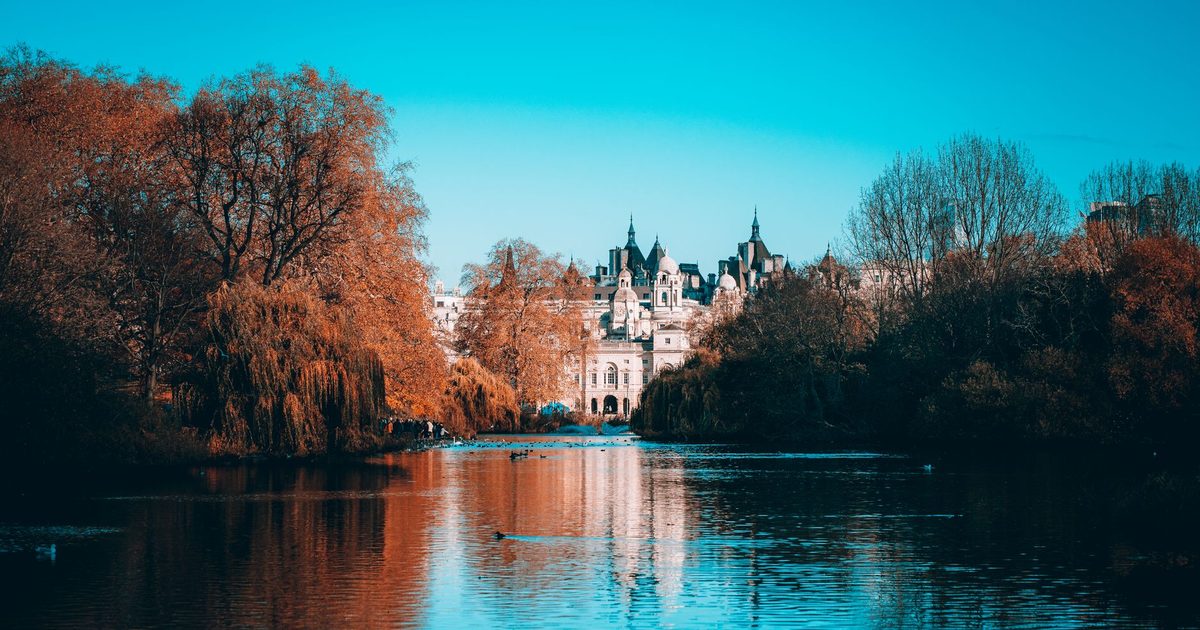
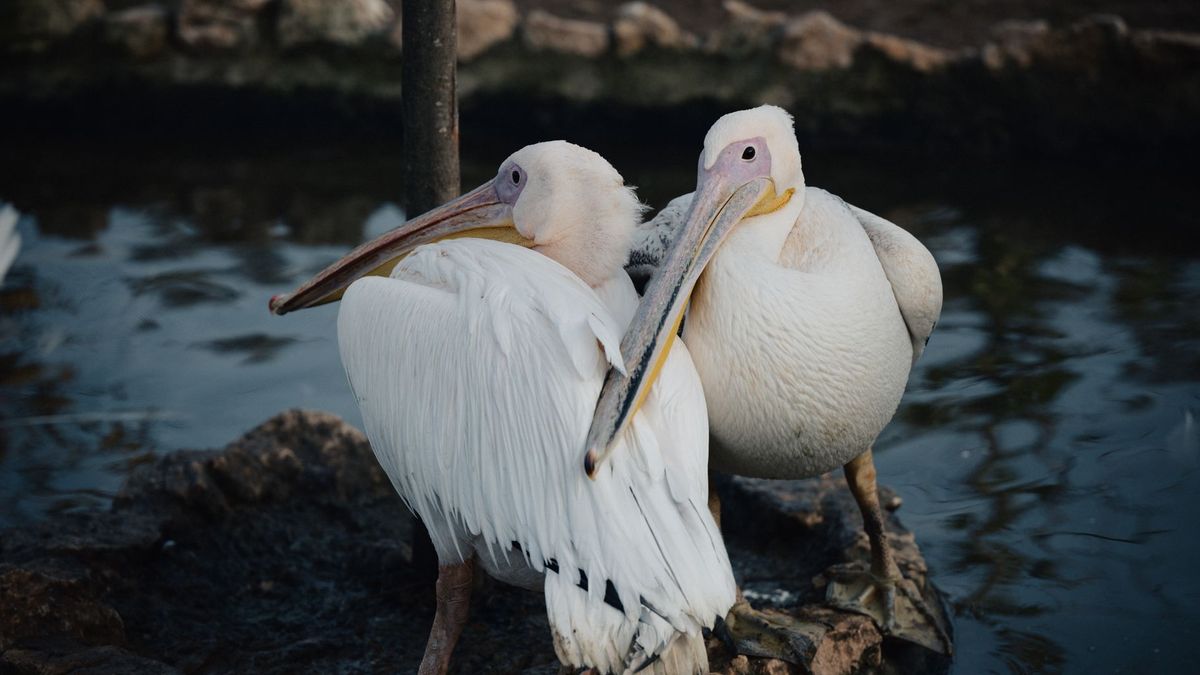
Stop in the middle of the bridge and turn slowly, because this is one of the best views in London. Look west and Buckingham Palace sits at the end of the water, framed by willows. Turn east and you see a skyline of domes and turrets around Horse Guards and Whitehall that looks almost too romantic to be real, especially on a misty morning. St James's is the oldest of the royal parks. Henry the Eighth took it for a deer park, Charles the Second opened it up and had a long straight canal dug, and in the 1820s the architect John Nash reshaped that canal into the curving, natural-looking lake you see now. The most famous residents are the pelicans. The first ones arrived as a gift from a Russian ambassador to Charles the Second in the 1660s, and the park has kept a small colony ever since. Look for them on the rocks near the eastern end of the lake, preening on the grass or stretching their enormous beaks, and do not be surprised if one strolls along the path beside you. The little island at that end, with its storybook cottage, is Duck Island, and the cottage was built for the park's birdkeeper. When you are ready, leave the bridge on the north side and walk west along the lake path to the palace, about six minutes.
Buckingham Palace
 At the end of the lake, the trees part and you reach the wide open space in front of Buckingham Palace. Find a spot by the railings or on the steps of the white marble monument in the middle and take in the long gray front. That facade is younger than most people assume: the stone face was added in 1913, after the rest of the building had been growing and changing for more than a century. George the Third bought the house for Queen Charlotte in the 1760s, but it was Queen Victoria who first made it the monarch's official London home, moving in soon after she came to the throne in 1837. It was from the central balcony that she, and every monarch since, has waved to crowds on great occasions. Check the flagpole on the roof: the Royal Standard flies when the King is in residence, and the Union Flag when he is not. The monument at your back is the Victoria Memorial, unveiled in 1911, with the old queen seated facing down the Mall and a gilded figure of Victory blazing on top. From here, take the wide avenue called Constitution Hill, which runs northwest with the trees of Green Park on your right, and follow it up to the arch at the top, about ten minutes.
The full tour continues in the app
- Distance
- 5.9 km
- Walking
- 81 min
- Steps
- ~8,200
- Narration
- 16 min
What's included
- All 9 stops, fully narrated
- Works offline once downloaded in the app
- Friends walk free one purchase covers everyone on your walk
Our tours are made to be meditative and immersive: you keep moving and simply listen. They're always better together, and the app plays the narration in sync, so you, your partner and your friends hear every stop at the same moment.
Wellington Arch
Constitution Hill climbs gently to Hyde Park Corner, and Green Park keeps you company the whole way.
The rest of this stop is in the full audio tour.
Hyde Park Rose Garden
You have stepped from one of the busiest junctions in London into a walled, scented garden, and the change is immediate.
The rest of this stop is in the full audio tour.
Serpentine Boathouses
Here on the north bank, rowing boats and pedalos wait in neat rows by the boathouses, and on a sunny day half of London seems to be out on the water, some of them rowing with more confidence than skill.
The rest of this stop is in the full audio tour.
Diana Memorial Fountain
In a hollow on the south side of the Serpentine you find something unexpected: not a statue or a classical fountain, but a wide oval ring of pale granite with water running through it.
The rest of this stop is in the full audio tour.
Albert Memorial
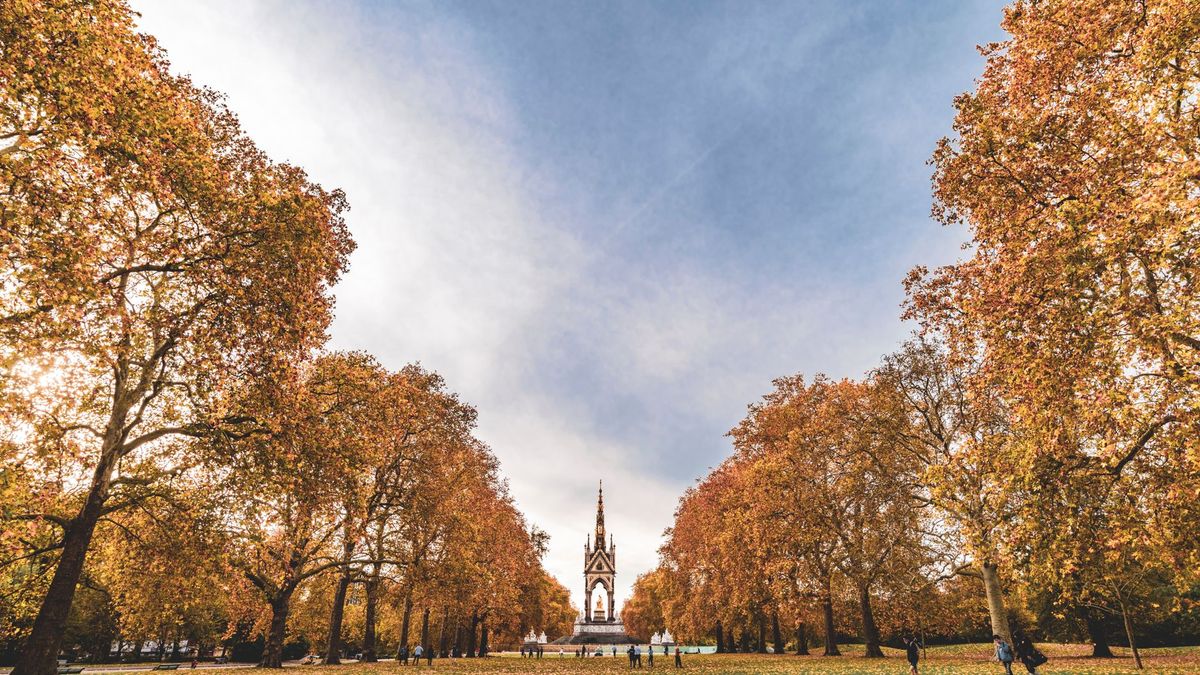
You have crossed into Kensington Gardens, and in front of you rises the most extravagant monument in London. Walk up to the steps and look up.
The rest of this stop is in the full audio tour.
Kensington Palace
The walk ends at Kensington Palace, a building that looks more like a large, comfortable country house than a royal seat, all red brick, tall windows and neat lawns.
The rest of this stop is in the full audio tour.
Do this walk with other people on the next scheduled tour.
About 5.9 km, roughly 81 minutes at an easy pace · 9 stops
Friends walk freeMore audio tours in London
$17.99Games IRL $16.99Turning Points
 $14.99Turning Points
 $17.99Film & Fiction
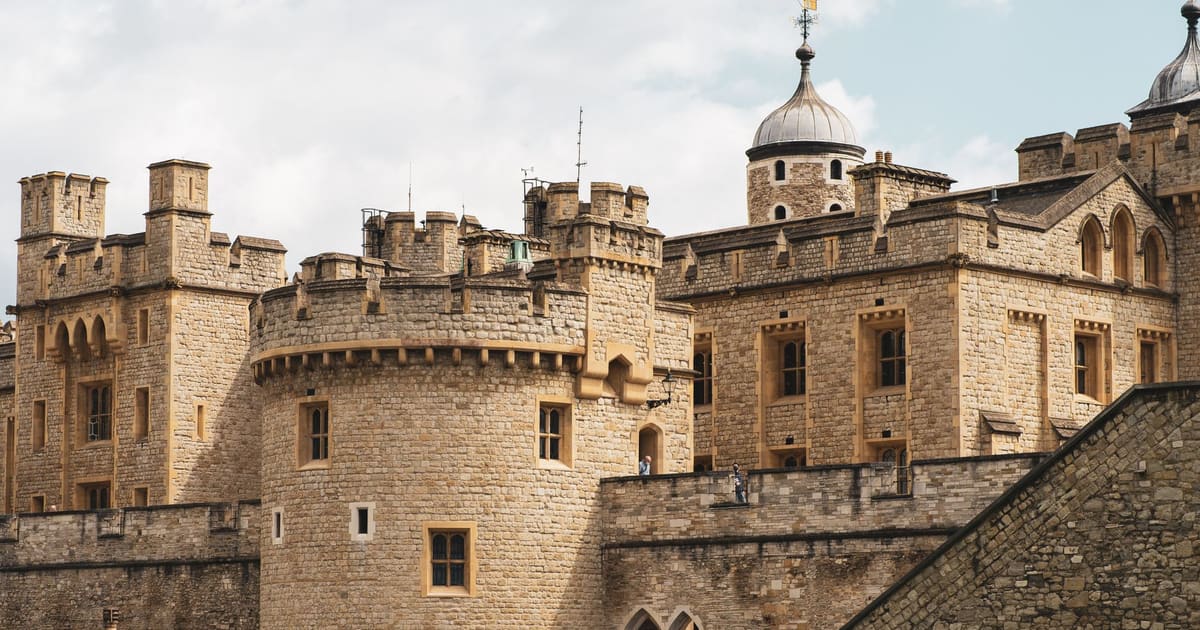 $17.99Famous Lives
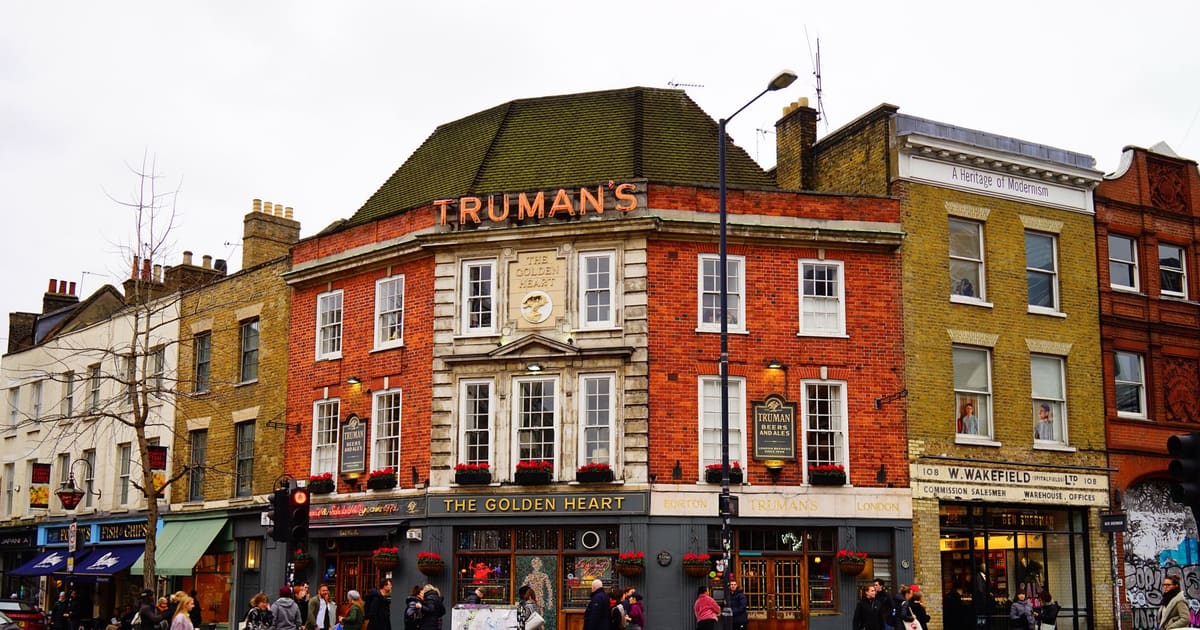 $15.99Turning Points
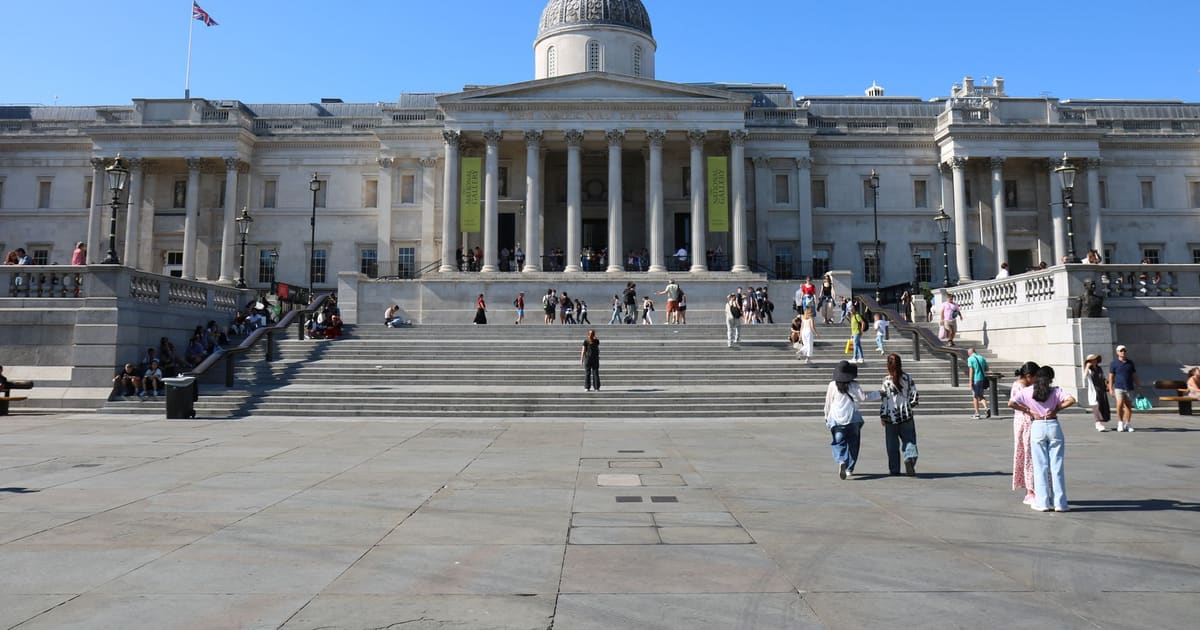 $15.99Film & Fiction
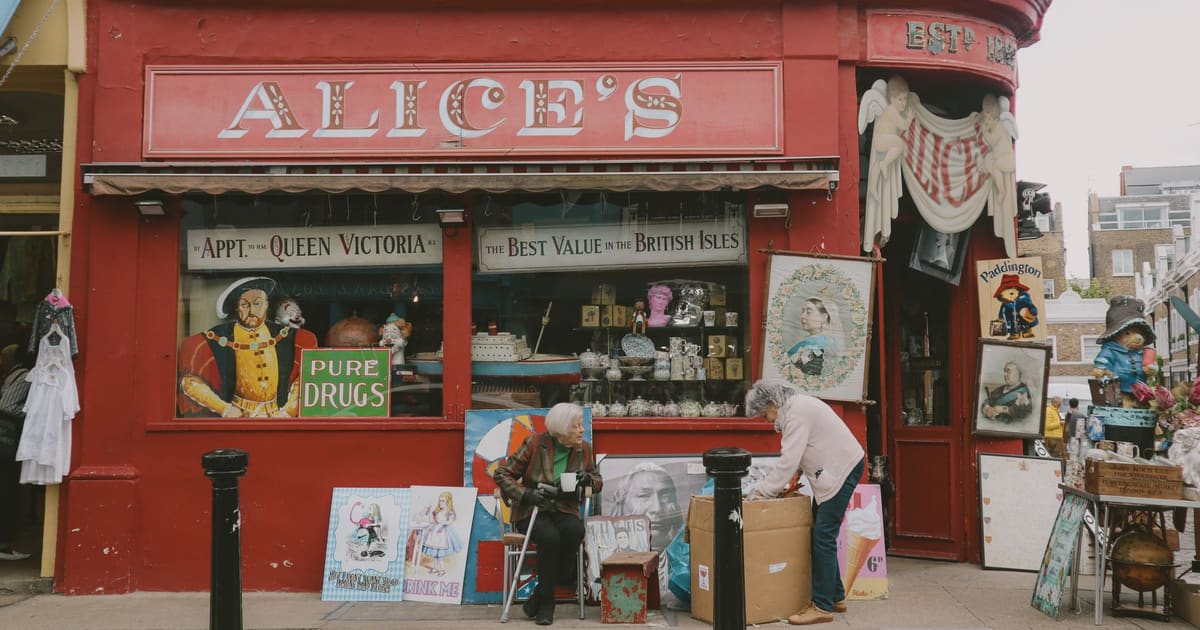 $14.99Film & Fiction
 $16.99Film & Fiction
 $11.99City Highlights
 $12.99City Highlights