September 20, 2026 · 8 min read
What is Netwalking
Discover how netwalking for professionals replaces stiff networking events with fresh-air business connections that feel entirely natural.
881
October 3, 2026 · 7 min read
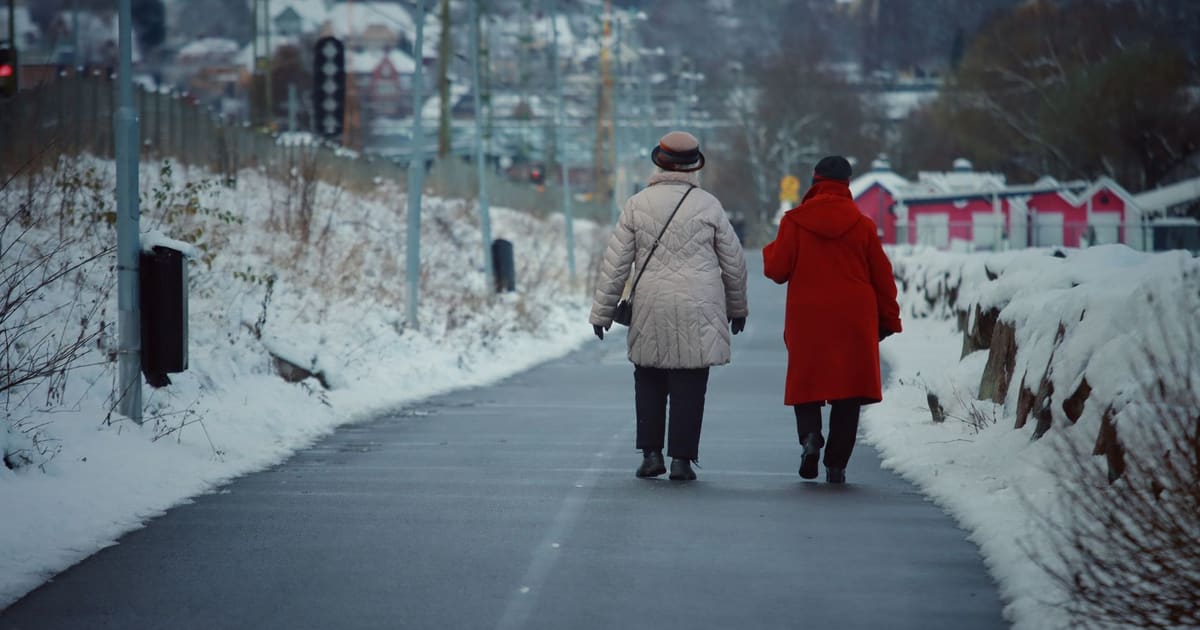
Look, your stomach is doing flips in the parking lot, and you are already checking your watch to see if you can back out without seeming rude. It makes total sense. Deciding to put on your trainers and step out to join a stranger is intimidating, and feeling nervous to meet new people in the real world is something almost everyone battles before a first meetup. The great news is that walking handles most of the heavy social lifting for you, and learning the ropes of meeting people on walks is far easier on your nervous system than sitting across a tiny cafe table.
Walking is different from almost every other social interaction. You are not trapped in a booth under harsh lighting. You are moving through space together, side by side, sharing an environment instead of staring each other down. Here is how walking mechanics protect you, along with five practical strategies to settle your nerves before you tie your laces.
When you meet someone for coffee or a drink, you sit directly across from them. Your eyes are locked. Every pause in the conversation feels like a spotlight swinging onto your forehead. If five seconds of silence pass while you chew a pastry, your brain screams that the interaction is failing.
Walking breaks that entire trap. When you walk with someone, you face forward. You glance at each other occasionally, but about eighty percent of your visual attention stays on the path, the trees, dogs passing by, or cracks in the pavement. That forward orientation drops social pressure dramatically. Silence on a walk does not mean awkward failure; it just means both of you are watching where your feet land or taking in the scenery.
Your body also metabolises the physical symptoms of jitters while you walk. That nervous energy making your hands cold and your chest tight? It gets used up by your leg muscles. Within ten minutes, your heart rate settles into the physical cadence of your steps, and the panic fades into a steady rhythm. Knowing this ahead of time gives you permission to feel weird for the first five hundred meters. It will pass once your feet start working.
Open-ended meetups create massive anxiety because you do not know how to escape if the vibe is completely off. If you agree to "hang out and walk around," you spend the entire time wondering when you can leave without sounding rude.
Kill that uncertainty before you ever leave the house. Agree on a specific route with a definite start and end point. A 3-kilometre loop around a local park reservoir is ideal. It takes roughly 35 to 40 minutes at a moderate pace, giving you plenty of time to chat without dragging out the afternoon.
When the loop finishes at your starting point, the walk naturally ends. You do not have to invent an excuse or look down at your phone pretending you just got a text. You simply say, "That was great, thanks for the walk!" and head to your car or walk back home. If you both had an incredible time, you can always plan another one later in the week. Having that clear finish line lets your mind relax right from step one.
Almost every walk with a new person feels slightly stiff for the first ten minutes. People arrive a little guarded, checking their stride, trying to match pace, and clearing their throats. Expecting instant warmth from second one will only make you feel like you are failing.
Give yourself the ten-minute shoulder rule. When you meet at the designated spot, expect the conversation to feel clumsy until you hit the ten-minute mark. Your only job during those first six hundred seconds is to settle your shoulders away from your ears, match their walking pace, and focus on physical logistics.
Once both of you find a shared rhythm, something shifts. You stop thinking about how you are standing or where your hands are swinging. The conversation begins to drift toward real things. If you accept that the first ten minutes are simply the physical warmup for your vocal cords, you stop interpreting normal initial awkwardness as a sign of disaster.
Never schedule a first walk along a deserted, quiet canal path or a blank residential street with nothing going on. If the surroundings offer zero stimuli, the entire burden of entertainment falls squarely on your shoulders. If a conversational lull happens, there is nothing around to rescue you.
Instead, pick a path with moderate activity and things to see. A community park with a dog run, a botanical garden, or a lively waterfront path works wonders. When you walk past an energetic golden retriever tumbling after a tennis ball, you both look, laugh, and instantly have something new to comment on. The environment feeds you conversation prompts for free.
Public spaces also solve the safety question. When you see other joggers, families, and people on benches around you, your background threat radar stands down. You can focus entirely on enjoying your walk because your surroundings feel open, visible, and comfortable.
When your brain freezes up from nerves, trying to think of witty things to say on the spot is exhausting. Do not wing it completely. Bring one simple, open-ended question in your back pocket that you can pull out if the silence stretches longer than you like.
Skip generic resume questions like "What do you do for work?" That usually leads to dry, scripted answers about spreadsheets or commuting. Instead, ask something grounded in the physical reality of what you are doing right then. Ask about their walking habits: "Do you usually walk around here, or do you have a favourite trail in the city?"
People love talking about their favourite neighbourhood spots, hidden parks, or how they manage to hit their daily step targets. It is non-intrusive, directly relevant to the moment, and opens up doors to talk about travel, hobbies, and local life without feeling like an interrogation. Once they share a spot they love, listen to the details. A single genuine follow-up question can easily power the next fifteen minutes of the route.
What happens if the other person is genuinely unpleasant, or you just feel uncomfortable? Fear of getting stuck in a bad situation fuels a massive chunk of social dread.
Give yourself an upfront, honest boundary before you arrive. You do not owe a stranger an entire afternoon. If you walk for ten minutes and feel deeply uncomfortable, or realize your personalities clash completely, you can cut the walk short with complete polite honesty: "Hey, I am feeling a bit under the weather today, so I am going to loop back early to rest up."
Say it calmly, turn around toward the starting point, and finish the walk. You are an adult, and keeping yourself comfortable is your primary job. Knowing that you possess full agency to end the meetup early if needed acts like an emergency brake in a train car. Just knowing the brake exists keeps you from panicking during the ride.
We built Walk With Me to take the guesswork out of this entire process. You can browse live walks happening nearby on the map or schedule a walk ahead of time with clear parameters. Join requests go to the walk host for approval by default, and every walk uses a fixed 200-meter map offset so nobody ever sees your exact home coordinates. You can set the meeting point at a busy public spot, stick to group walks or gender-specific walks if that feels better, and step outside with confidence. Grab your shoes, take a deep breath, and let the pavement do the work.
September 20, 2026 · 8 min read
Discover how netwalking for professionals replaces stiff networking events with fresh-air business connections that feel entirely natural.
September 9, 2026 · 8 min read
Master the unwritten rules of walking group etiquette to make a great first impression, rotate conversations easily, and enjoy your first group outing.

September 3, 2026 · 9 min read
Looking for safe walking groups but worried about meeting strangers? Here are five practical safety checks to run before you lace up.